
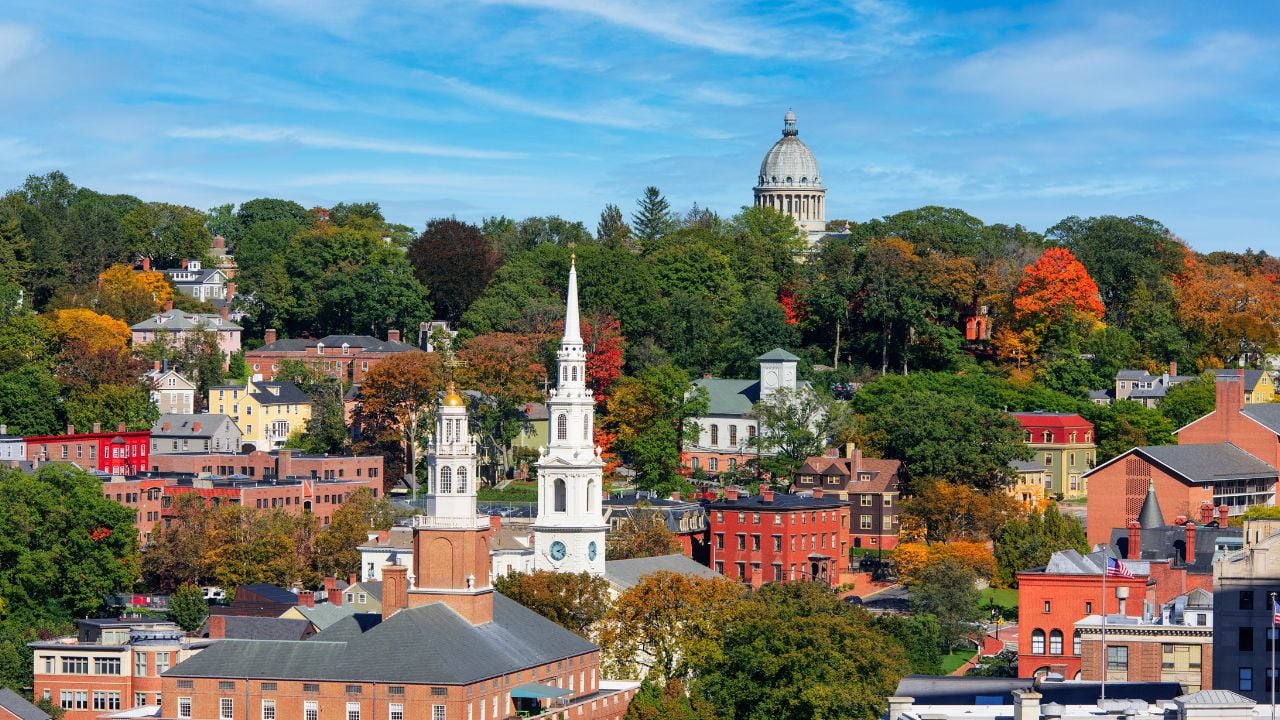
The Reason Rhode Island Dropped Half Its Name, and What Rhode Islanders Still Call It

A state’s name feels permanent, until someone asks whether it should stay that way.
Rhode Islanders voted on theirs more than once, and the history behind the question goes back centuries.
Here’s the story behind the change, plus the names locals still use.
Where the Long Name Began
The longer version of the name goes back to the colonial era, long before Rhode Island was a state.
Roger Williams founded Providence after Massachusetts Bay Colony banished him.
In 1643, a Parliamentary patent joined Providence, Portsmouth and Newport under the name Providence Plantations.
King Charles II granted the colony a royal charter in 1663, and it named the place the Colony of Rhode Island and Providence Plantations.
Open that charter, and you’ll find the full name in its text.
The name predates the country.
What a Plantation Meant in 1643
The word plantation in Rhode Island’s former name meant something different in the 1600s.
In that era, a plantation was a new settlement, the early settlements and colonies of the time.
The state archives say Parliament’s committee on foreign plantations granted the 1643 patent to the settlements around Narragansett Bay.
Two Votes, Ten Years Apart
Look up the state’s 2010 election results, and you’ll find 250,466 voters rejected the name change.
Only 71,162 voters approved it, a 77.9% to 22.1% split.
Ten years later, the ballot language asked voters to change the official name from State of Rhode Island and Providence Plantations to State of Rhode Island.
This time, 247,261 voters approved it and 218,175 rejected it, or 53.1% to 46.9%.
Approval rose 31 percentage points.
The General Assembly had sent the question to the ballot that summer, with the Senate voting unanimously and the House approving it 69-1.
The Documented Reason
If you ask why the name changed in 2020, the documented answer centers on one word, “Plantations,” and its link to slavery.
Governor Gina Raimondo signed Executive Order 20-48 on June 22, 2020.
The order says many of the state’s residents find it painful that a word so closely tied to slavery is part of the official name.
It told the governor’s office and the agencies under the governor to stop using “Plantations” on websites, stationery and official correspondence.
It didn’t rename the state.
It urged voters to approve the change in November.
Supporters argued the word evokes images of slavery in a state that played a key role in the slave trade.
Opponents countered that it only meant colonies.
Ballotpedia’s summary of the campaign also records the view of one resident activist, who said removing a word would do nothing about school curriculum or the criminal justice system.
What Changed on Paper
The shorter name now appears in the Constitution and on the state seal.
The 2020 amendment rewrote the Constitution’s title, its preamble and two other sections.
Three words came off.
If you check the current seal today, the Secretary of State’s office says it reads State of Rhode Island and nothing more.
Executive Order 20-48 also told state agencies to look for an alternative to the state seal on official documents and to replace or omit it where possible.
The order directed agencies to drop the word from paystubs as soon as practicable.
That left the four words State of Rhode Island.
What Stayed at the State House
The Associated Press reported in November 2021 that, a year after the vote, the old name was still on display at the State House.
The full name was written in marble script near the dome and on bronze plaques in the entryway.
The seal with the full former name sat on the rotunda floor, the elevator doors, door numbers and directional signs.
In August 2024, a Providence television station reported that workers removed an older seal from a walkway outside the State House.
The word engraved in the State House marble will stay, uncovered.
By March 2026, a $70,000 State Room rug had arrived with seals reading Rhode Island and Providence.
Two seals were wrong.
The vendor had removed only the word “Plantations” from the seal design, so the seals still carried the wrong state name.
Temporary area rugs covered the two seals, and the vendor will cut them out and sew in new ones at no cost, with the work expected in the summer.
A gray rug covered the rotunda floor seal and a granite paver pulled up in 2024 still awaited an engraved replacement.
Psst! How much do you know about the Ocean State’s official symbols? Take our quiz and see if you can ace it.
Quiz
Ocean State Trivia
Answer nine questions on the names, nicknames and official symbols of the Ocean State. We bet you can’t get them all right. Prove us wrong?
A Dutch explorer named the area Roodt Eylandt, according to the state’s official website. What does the name mean?
Names That Stuck
The state's official website lists The Ocean State among its nicknames and says the phrase began appearing on license plates in 1972, replacing the word Discover.
Little Rhody is a traditional nickname, in reference to the state's small size.
Providence Plantations itself still appears in the Secretary of State's archive pages, where the name refers to the settlements that received the 1643 patent.
9 Signs Someone Was Raised in Rhode Island No Matter Where They Live Now
Rhode Island named coffee milk its official state drink in 1993, beating out Del's Frozen Lemonade for the title.
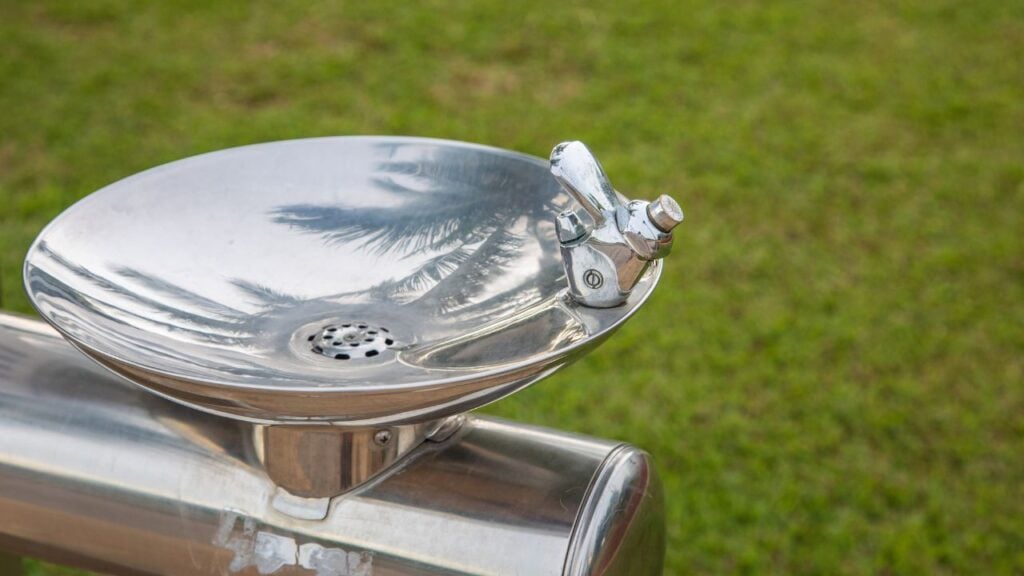
In Rhode Island, a milkshake is a cabinet and a water fountain is a bubbler.
9 Signs Someone Was Raised in Rhode Island No Matter Where They Live Now
9 Energy Supplier Pitches Rhode Islanders Shouldn't Sign at the Door

Door-to-door energy suppliers have rules to follow in Rhode Island, starting with a photo ID badge that names the agent's employer.
State law also requires every supplier to hand over a standardized summary of the rate and contract terms before service starts.
9 Energy Supplier Pitches Rhode Islanders Shouldn't Sign at the Door
