
Why Is Your Florida Electric Bill So High? What’s Driving 2026 Rates

Why is your electric bill so high in Florida? Two things do most of the damage: An air conditioner that runs almost around the clock all summer, and a round of utility rate and fuel-cost increases that landed in 2026.
Neither problem is your imagination.
Florida’s heat leans on your cooling system harder than almost any other state’s, and cooling can eat close to half of a Florida home’s power in July.
Then the three big utilities, Florida Power & Light (FPL), Duke Energy Florida, and Tampa Electric (TECO), each adjusted rates this year.
So the bill sitting on your counter is the heat and the rate sheet arriving together.
Note: This is general information, not financial advice. Rates and programs vary by utility and change often, so confirm current details with your provider.
What’s Driving the Increase
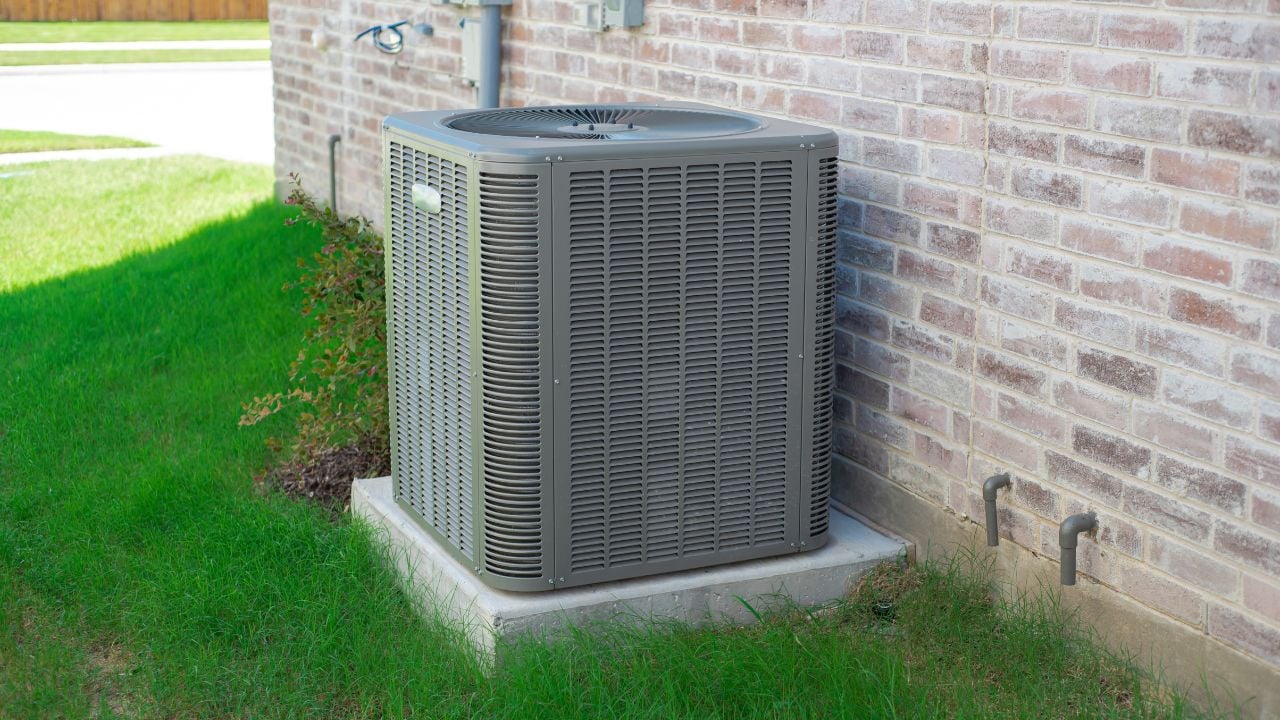
Start with the obvious answer to why your electric bill is so high in Florida: The air conditioner never gets a break.
Florida’s humidity forces a cooling system to pull moisture out of the air on top of dropping the temperature, so it cycles longer than the same unit would in Phoenix or Denver.
About 86% of Florida homes run central air conditioning, and Florida’s residential sector uses more than half of all the electricity sold in the state, the largest household share in the country.
Set the thermostat at 74 through a stretch of 95-degree afternoons, and you’ll pay for every one of those hours.
Then there’s the price of each kilowatt-hour.
Florida’s average residential rate sits around 15 cents per kilowatt-hour, a shade below the national average.
A kilowatt-hour (kWh) is the unit your utility bills you by.
Run a 1,000-watt window unit for one hour and you’ve used one kWh. So, at 15 cents, that hour of cooling costs about a dime and a half.
Multiply that by an air conditioner running most of the day and night, and the summer total rises fast.
The rate matters because it moves.
A big piece of your bill is fuel cost recovery, which is the money the utility spends buying natural gas to run its power plants and passes straight through to you.
When natural gas prices rise, that line on your bill rises with it.
How Florida Utilities Set Rates
Your electric company can’t just decide to charge more on a whim.
The Florida Public Service Commission (PSC), a five-member board appointed by the governor, signs off on what the big investor-owned utilities charge.
Two separate things push a Florida bill up, and it helps to keep them straight.
The first is a base rate case.
That’s when a utility asks the PSC for permission to raise the fixed part of the bill to cover new power plants, grid upgrades, and profit for shareholders.
These settlements run for several years at a stretch.
The second is fuel cost recovery, adjusted every year.
The PSC lets utilities pass the cost of fuel through to customers without markup, and it can revisit that charge mid-year if gas prices spike.
Storm recovery is the third piece, and Floridians know it well.
After a bad hurricane season, a utility can add a surcharge to recoup the cost of rebuilding poles and wires, which is why a rough year for storms shows up on the bill months later.
Public power is a different story.
If you’re served by a municipal utility like JEA in Jacksonville or Orlando Utilities Commission (OUC), or by a rural electric cooperative, a local board sets your rates instead of the PSC.
Psst! How much do you know about Florida power and your electric bill? Take our quiz and see how many you can get right.
Which Utilities Raised Rates in 2026
Each of Florida’s three biggest power companies handled 2026 differently, so what happened to your bill depends on whose lines run to your house.
Florida Power & Light serves roughly half the state, from the Miami suburbs up through much of the Gulf Coast.
In November 2025, the PSC approved a four-year FPL settlement worth about $6.9 billion that runs through 2029.
For 2026, a typical FPL customer using 1,000 kWh a month saw the bill rise about $2.50, roughly 2%, starting in January.
Tampa Electric covers Hillsborough County and the Tampa area, and TECO customers took a bigger hit.
A residential household using 1,000 kWh a month started paying about $5.50 more a month in January 2026, part of a multi-year base rate increase the PSC signed off on.
TECO’s summer bills already ranked among the highest in the state, so that increase stings in the Tampa Bay area.
Duke Energy Florida, which serves a swath from Pinellas County up into north-central Florida, went the other direction as the year went on.
Duke bills ticked up in January and February when a storm cost recovery charge from hurricanes Debby, Helene, and Milton was still in place.
Then that charge came off at the end of February, and a typical 1,000-kWh Duke bill dropped about $44 a month beginning in March 2026.
So a Duke customer and a TECO customer next door in different service areas can watch the same weather and receive very different bills.
Why Your Electric Bill Is So High in Summer
The single biggest reason a Florida bill jumps in July is the calendar, not a billing error.
Cooling load jumps once the overnight low stops dipping below 78, because the air conditioner never gets that cool early-morning stretch to coast through.
Humidity makes it worse.
A muggy 90-degree afternoon on the Gulf Coast pulls more electricity than a dry 90 out west, because your system spends energy wringing water out of the air before it can even start cooling the room.
The billing cycle piles on, too.
FPL and the other big utilities use tiered pricing, so the price per kilowatt-hour steps up once your household crosses 1,000 kWh in a month.
In winter, you might stay under that line.
In August, with the pool pump, the second refrigerator in the garage, and the air conditioner all running, plenty of Florida households sail past 2,000 kWh and pay the higher tier on the top slice.
A pool pump alone can run a Florida homeowner a chunk of the monthly bill if it cycles eight hours a day.
How to Lower Your Bill
You can’t argue the Florida heat down, but you can shave what it costs you.
The thermostat is the biggest lever in the house.
Every degree you nudge it up in summer trims cooling costs, and 78 when you’re home with a small bump while you’re out is the range most utilities point Florida customers toward.
A programmable or smart thermostat does the nudging for you so you don’t cool an empty house at 2 p.m.
Air handling matters as much as the setting.
Change the air filter monthly through summer, because a clogged filter makes the blower work harder for less cool air.
Have a technician check the refrigerant charge and clean the outdoor coil once a year, ideally before the heat sets in.
Then look at the loads you control by the clock.
Run the pool pump fewer hours or shift it to overnight, and set the water heater to a reasonable temperature instead of scalding.
Ceiling fans let you push the thermostat up a couple of degrees because moving air feels cooler on your skin, though a fan only helps a room you’re sitting in.
Call your utility about the programs it already offers.
FPL, Duke, and TECO all run free or low-cost energy audits, budget billing that spreads the summer spike across the whole year, and rebates on efficient equipment.
Budget billing won’t lower what you owe over a year, but it keeps the July shock from landing all at once.
Rooftop solar is the bigger swing, and the math has shifted, so price it carefully against your actual usage and current net-metering terms before you sign anything.
If the power bill has you rethinking the cost of living here, it helps to weigh where a dollar stretches further.
Our guide to the cheapest places to retire in Florida maps the towns with lower everyday costs, and the senior discounts Florida retirees keep missing can trim other line items in the budget.
Frequently Asked Questions
A few more answers for the questions Florida homeowners ask most about their power bills.
Why is my electric bill so high in Florida even though I keep the thermostat steady?
Two things move the bill even when your habits don’t. Summer heat and humidity make the air conditioner run more hours to hold the same temperature, and utility fuel and rate charges rose in 2026, so each kilowatt-hour costs a bit more than it did.
Did Florida electric rates go up in 2026?
Yes, for most customers. FPL bills rose about 2% in January 2026, and TECO residential customers pay roughly $5.50 more a month. Duke bills rose early in the year, then dropped about $44 a month in March once a storm charge came off.
What uses the most electricity in a Florida home?
Air conditioning, by a wide margin. Cooling can account for close to half of a Florida home’s electricity use in the summer, far ahead of the water heater, pool pump, and everything else combined.
Who regulates electric rates in Florida?
The Florida Public Service Commission approves rates for investor-owned utilities like FPL, Duke, and TECO. If a municipal utility or a rural electric cooperative serves your home, a local board sets those rates instead.
Can budget billing lower my Florida electric bill?
Not the yearly total. Budget billing averages your usage so you pay close to the same amount every month, which softens the summer spike, but you still owe for the power you use across the year.
The cheapest kilowatt-hour is still the one you don’t use, and in a Florida summer, that mostly comes down to how hard you make the air conditioner work.
Seal the gaps, service the unit, mind the thermostat, and the August bill lands a little softer than the one before it.
Why Is Florida Homeowners Insurance So High? What’s Driving 2026 Rates

Your electric bill isn’t the only Florida statement that keeps rising.
The average Florida homeowners policy hit the highest price in the country, and four expensive problems stack up on one roof to get it there.
Why Is Florida Homeowners Insurance So High? What’s Driving 2026 Rates
Why Are Florida Property Taxes So High? What 2026 Homeowners Should Know
Your property tax bill keeps rising, but Florida’s rates sit near the middle of the pack nationally.
What drives the pain is soaring home values, rising local millage, and an insurance bill sharing the same escrow statement.
Why Are Florida Property Taxes So High? What 2026 Homeowners Should Know
