

Why Retirees Are Picking Texas Over Florida in 2026

For decades, the retirement script for northerners was simple: You worked in your home state, then you moved to Florida.
That script is changing.
More retirees are looking past Florida and pointing their moving truck toward Texas, and the reasons have less to do with barbecue than with the math on a fixed income.
Here’s why retirees are picking Texas over Florida.
Note: This article is for general information only and isn’t financial, legal, tax, or medical advice. Confirm details with a qualified professional or the official source.
The Insurance Gap
These days, home insurance keeps Florida retirees up at night.
The Sunshine State has the most expensive home insurance in the country, with many homeowners paying several times the national average after years of hurricanes and payouts.
Home insurance in Texas isn’t cheap, but it’s cheaper.
The average Texas policy runs thousands of dollars less per year than a comparable Florida policy.
On a fixed income, that gap isn’t an annoyance. It’s a car payment.
Some retirees in Florida have watched their premiums double in a few years, even with no claims filed.
For a lot of retirees, the insurance line alone makes the move to Texas pencil out.
The Tax Break Comes Along
Here’s the worry every Florida retiree has about leaving: losing their no-income-tax perk.
Good news: They don’t.
Texas is one of only nine states with no personal income tax, the same club Florida belongs to.
That means Social Security, pensions, and withdrawals from a 401(k) or IRA all land untaxed at the state level, exactly like they did back in Florida.
Texas also charges no estate or inheritance tax, so what you pass on stays whole.
One of the biggest reasons people stayed in Florida moves right along with them, no asterisk and no fine print.
A Freeze on School Taxes
Now for the honest part. Texas property taxes run high, among the steepest in the nation.
But the state carves out a break for seniors.
At 65, a Texas homeowner can freeze the school-tax portion of their bill, so it doesn’t climb even as values and rates rise.
On top of that comes a large homestead exemption, with an extra chunk knocked off just for being 65 or older.
So the scary property tax number softens a good deal once you qualify.
For a retiree planning to stay put for 20 years, a frozen bill is worth a lot.
More House, More Land
Florida’s housing got expensive fast, and the lots kept getting smaller.
Texas still has room.
Outside the priciest pockets of Austin, a retiree’s dollar tends to buy more square footage and more yard than the same money does near a Florida coast.
That can mean a single-story home with a guest room for the grandkids, a big garage, and a porch that looks at something other than the next house over.
Space matters more when you’re home all day.
Plenty of downsizers find they upsize the things that count.
Storms Stay on the Coast
A big slice of Florida’s cost problem comes down to one word: hurricanes.
The whole peninsula sits in the crosshairs.
Texas has a hurricane coast too. But it’s a sliver of a huge state, and retirees can settle well inland in the Hill Country, around San Antonio, or up near Dallas.
Move a few hours from the Gulf, and the storm risk—and the insurance bill that rides on it—drops sharply.
You trade the beach for distance from the next named storm.
Insurers price that storm risk into every Florida policy, coast or not.
For a lot of retirees, that’s a trade they’re glad to make.
Quiz
Texas Retiree IQ
Answer these questions about retiring in Texas. We bet you can’t get them all right. Prove us wrong?
The Condo Squeeze
Florida condos used to be the easy retirement answer.
Not anymore.
After a string of safety reforms, older Florida buildings have to fund full reserves and pass structural inspections, and the cost lands on owners as steep special assessments.
Retirees have been hit with surprise bills running into the tens of thousands, on top of rising monthly dues.
A fixed income and a surprise five-figure assessment don't mix.
Some owners have had to sell at a loss just to get out from under the next assessment.
A single-family home in Texas sidesteps that whole headache.
Everyday Costs Add Up
The big bills get the headlines, but the small ones do real damage over a year.
Groceries, dining out, a haircut, a plumber.
Across most of Texas, those day-to-day costs sit at or below the national average, while many parts of Florida have crept well above it.
Gas tends to run cheaper in Texas, too, which matters when the nearest good hospital or grocery store is a drive away.
None of these gaps is huge on its own.
But stacked across a retirement, they turn into a meaningful cushion you can feel every month.
Room to Breathe
Florida can feel full these days.
The roads, the restaurants, the wait at the doctor.
Texas has big cities too, but it also has small towns with a real main street, Hill Country wineries, and a pace that suits a slower chapter of life.
There's space to start a garden, join a club, or sit on your porch without a neighbor ten feet away.
Care is close at hand when you need it, anchored by world-class hospitals in the major metros.
It adds up to a slower, roomier kind of retirement.
None of this means Florida stopped being a fine place to retire, because for many people it still is.
It just means Texas has steadily become the answer for retirees who ran the numbers and decided the Lone Star State adds up better for them.
10 Senior Discounts Texas Retirees Are Too Shy to Ask For

Once you're settled in Texas, the savings don't stop at the property tax office.
The catch is you usually have to ask.
From the Tex-Mex spot to the hardware store, plenty of Texas retirees leave easy discounts on the table out of shyness.
10 Senior Discounts Texas Retirees Are Too Shy to Ask For
Texas Car Insurance Mistakes
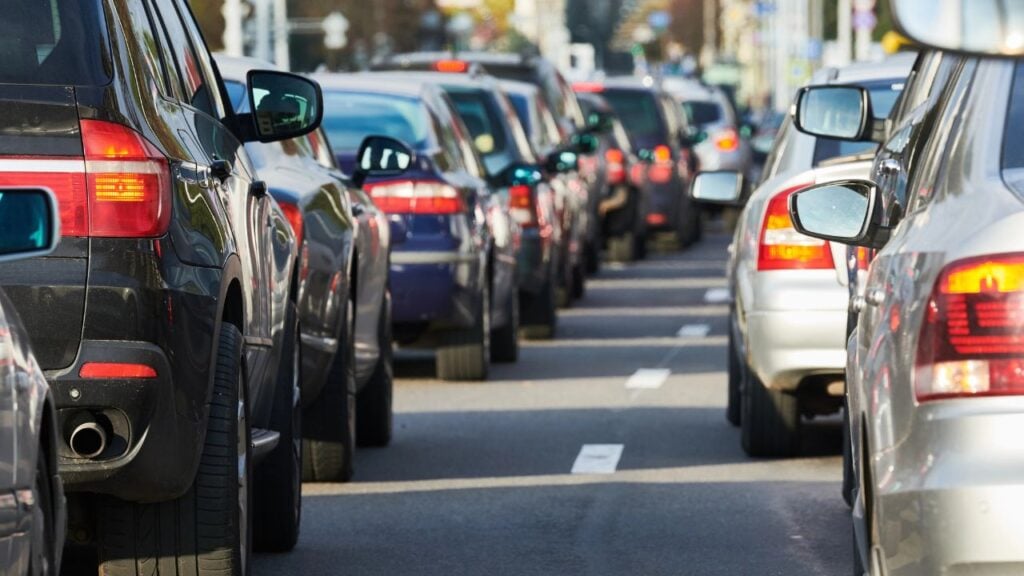
Texans already pay more than most Americans to insure a car.
A few avoidable mistakes can push that rate even higher.
9 Texas Car Insurance Mistakes That Brutally Inflate Your Rate
