
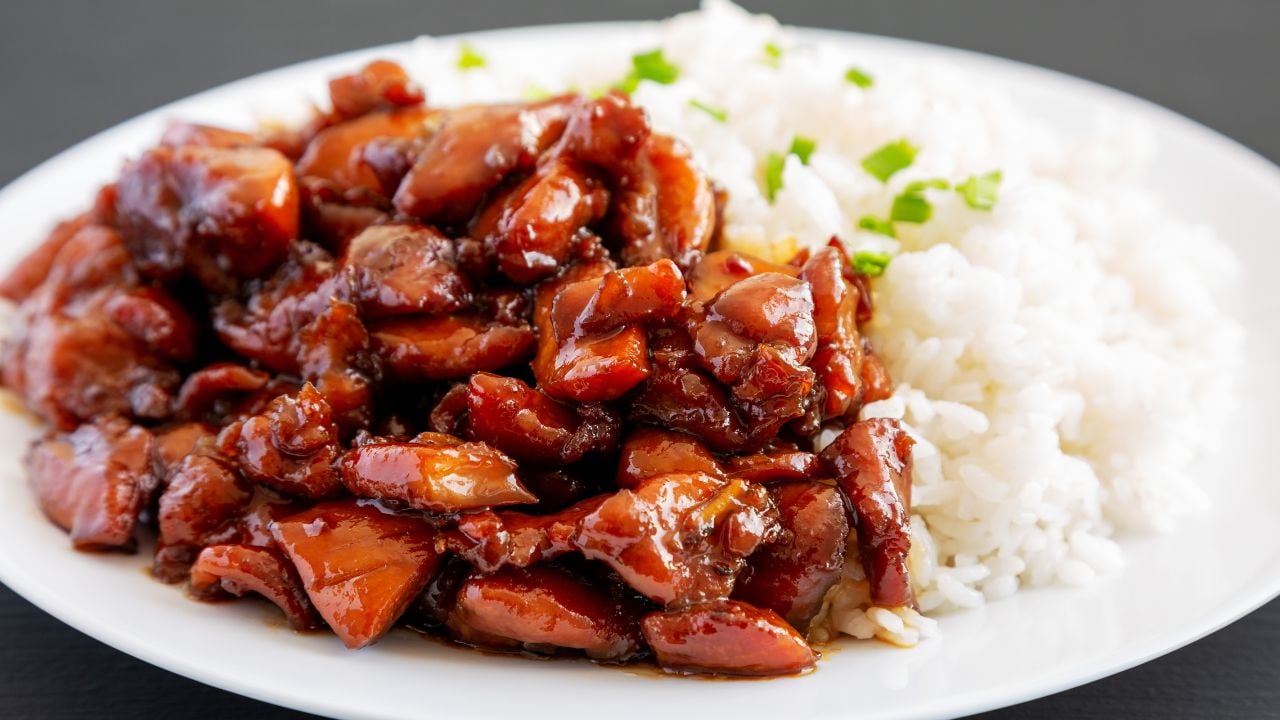
Why Seattle Became a Teriyaki Town, and 6 Things Washingtonians Order Without Thinking

Order the katsu plate at Rainier Teriyaki in Mount Baker, and you get 21 strips of cutlet, by one guide’s count.
Even the spicy chicken comes in at least three versions around town.
Here’s why Seattle became a teriyaki town, and what Washingtonians order without thinking.
Toshi’s on Roy Street
HistoryLink dates the opening of Toshi’s Teriyaki to March 1976, in an old white house on Roy Street in lower Queen Anne.
Its owner, Toshihiro Kasahara, came from Ashikaga, Japan, about 70 miles north of Tokyo, and arrived in Seattle that year.
The dining room had 30 seats.
For $1.85, you got a plateful of chicken teriyaki with rice and salad.
The restaurant was slow at first.
That didn’t last.
A positive review in The Seattle Times reportedly tripled or quadrupled business.
By 1999, that paper was crediting Toshihiro Kasahara’s first small store near Seattle Center with starting the teriyaki trend.
Seattle TV station KOMO News marked Toshi’s 50th anniversary in 2026.
If you order teriyaki in Seattle today, you’re ordering a dish that Toshi’s is credited with helping start.
Franchises, Delis, and Korean Owners
Toshi’s Teriyaki turned into a franchise, and The Original Toshi’s Teriyaki had 13 stores by 1992, the Seattle Times reported.
In 1992, its owners came from Japanese, Chinese, Mexican, Indian, Korean, and other backgrounds.
By 1996, the franchise had grown to 17 Seattle-area shops, plus one in Phoenix.
Teriyaki also became associated with small delis, sandwich shops, and convenience stores.
In 1992, you could get a typical plate for about $4, and the paper described teriyaki as low-fat, good-for-you fast food.
The paper said the trend apparently hadn’t reached other West Coast cities yet.
The paper speculated that Seattleites, already exposed to other ethnic food, were ready for it.
Korean owners entered the business in the 1980s, and HistoryLink reports the majority of Seattle’s teriyaki restaurants ended up Korean-owned.
Counting Seattle’s Teriyaki Shops
If you count every Seattle-area teriyaki eatery instead of only the Toshi’s chain, the totals run far higher.
King County had 107 eateries with teriyaki in their names in 1992.
By 1996, the Restaurant Association of the State of Washington put the number of teriyaki eateries in King County at about 175.
HistoryLink reports that teriyaki restaurants in Seattle outnumbered McDonald’s in the late 1990s.
The same history says Seattle went from more than 80 teriyaki restaurants in 2010 to about 67 in 2025.
These figures describe different areas and come from different sources, so you can’t line them up year to year.
1. Chicken Thigh Plate
The Takeout described the standard Seattle teriyaki plate in 2017 as grilled, boneless chicken thigh over rice, with sweet soy sauce and salad.
In 1996, the Seattle Times described it as teriyaki over a big mound of rice, with coleslaw or lettuce salad.
If you order the standard plate today, a March 2026 Infatuation guide says to expect chargrilled chicken thighs, rice, and iceberg salad in a clamshell container.
Many Seattle-area regulars order this plate without a second look at the menu, and you might be among them.
2. Extra Sauce
At the original Toshi’s Teriyaki, HistoryLink reports, regular customers often asked for extra sauce ladled over their rice.
If you like your sauce thick, the Infatuation guide points to Ichi Roll Wok & Teriyaki in Bitter Lake, which it describes as extra-thick.
In 1996, the Seattle Times reported the sauce usually starts with soy sauce and sugar, with the rest varying by cook.
The paper added that the sauce can be served over the meat and rice or on the side.
A menu listing for the Edmonds Toshi’s shop shows extra sauce as a 25-cent add-on.
A February 2025 review of Rainier Teriyaki found it includes ramekins of extra teriyaki sauce and salad dressing with an order.
3. Gyoza
Infatuation’s Seattle teriyaki guide highlights gyoza at several shops, including Shodai in the Central District.
It also rates the gyoza at Itadakimasu in the University District as off the charts on its crunch meter.
A separate review of Sunny Teriyaki in Ballard tells you to add an order of crunchy gyoza.
Seattle public radio station KUOW covered food writer J. Kenji López-Alt’s video review of the gyoza plate at Rainier Teriyaki.
The catch?
Add gyoza to a combo at Rainier, and you get less teriyaki, though a February 2025 review of the shop called the trade worth it.
Psst! How much do you know about Seattle’s food history? Take our quiz and see if you can ace it.
Quiz
Seattle Food Trivia
Answer these questions on Seattle and Washington food history. We bet you can’t get them all right. Prove us wrong?
Which World’s Fair first served Belgian waffles to an American crowd, according to HistoryLink?
4. Spicy Chicken
Spicy chicken teriyaki isn't one recipe, and Infatuation's Seattle guide describes at least three versions.
At Yasuko's Teriyaki in Interbay, the spicy chicken skips the sauce for a hot, lemongrass-style rub.
Midori Teriyaki in South Lake Union serves its spicy chicken with garlic sauce.
At Itadakimasu in the University District, the spicy chicken comes with chili jam and a toasted sesame seed topping.
The same guide praises the spicy sauce at Toshi's Teriyaki Grill in Mill Creek.
So if you ask for spicy chicken, you might get a rub, a garlic sauce, or a chili jam, depending on the shop.
5. Katsu
Katsu, a breaded and fried cutlet, shows up as a plate, an add-on, and part of a combo in Infatuation's Seattle teriyaki guide.
At Rainier Teriyaki in Mount Baker, the katsu plate comes with 21 strips, by the guide's count.
At Okinawa Teriyaki downtown, the guide calls spicy katsu a must-have add-on to a combo plate.
The pieces come chopped into squares and tossed in sauce.
At Nikko Teriyaki in West Seattle, it picks spicy chicken and katsu as the combo to prioritize.
A menu listing for the Edmonds Toshi's shop also lists chicken katsu.
If you can't choose between teriyaki and katsu, a combo plate lets you have both.
6. Fried Rice Upgrade
Fried rice is the upgrade Infatuation's Seattle teriyaki guide pushes at Sunny Teriyaki in Ballard, where it tells you to swap out regular rice.
A separate review of the shop says to sub fried rice whenever possible and describes it with blistered peas and a buttery finish.
At Nikko Teriyaki in West Seattle, a photo in the guide shows spicy chicken teriyaki over egg fried rice.
If you usually take the rice that comes with the plate, ask whether the shop offers fried rice instead.
Salad and Dressing
The Takeout wrote in 2017 that the salad on a Seattle teriyaki plate is usually iceberg lettuce with a creamy, mayo-based dressing.
Toshi's early plate came with a small bed of greens dressed in vinegar and sesame seed oil, HistoryLink reports.
That's a different salad.
Dressing still varies by shop.
The Infatuation guide describes the dressing at Manna in Lake City as a sesame glaze and praises the golden dressing at Moli Bento on Capitol Hill.
At Nikko Teriyaki in West Seattle, the same guide says the dressing carries notes of citrus, sesame, and Granny Smith apple.
If you take your plate to go, a February 2025 review found Rainier Teriyaki packed the iceberg salad separately to keep it from going soggy.
14 Everyday Habits That Only Make Sense to Washingtonians
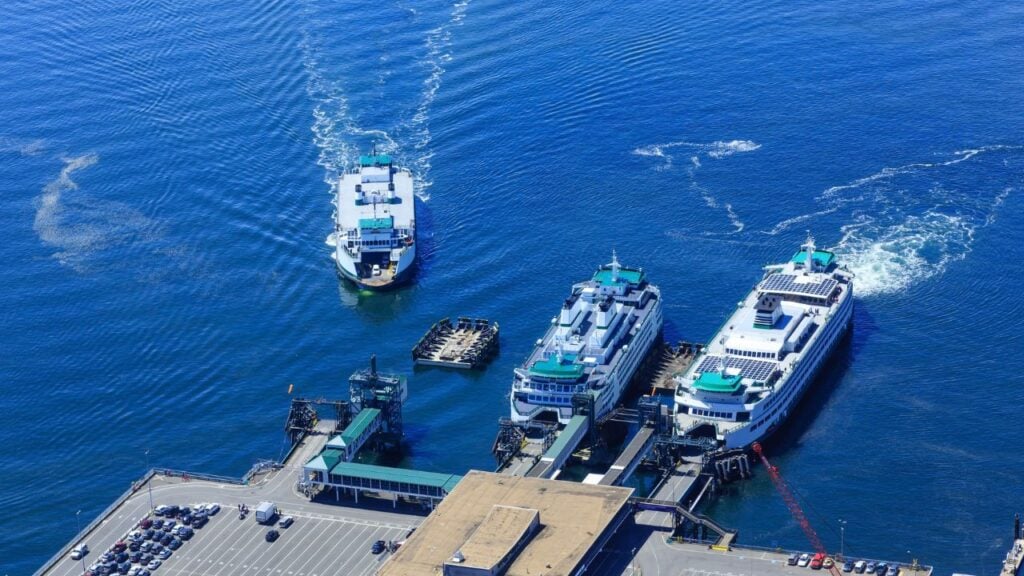
Some habits follow you out of Washington.
What feels natural back home can earn you a curious look anywhere else in the U.S.
14 Everyday Habits That Only Make Sense to Washingtonians
9 Things Washington Ferry Workers Notice About Drivers Every Day
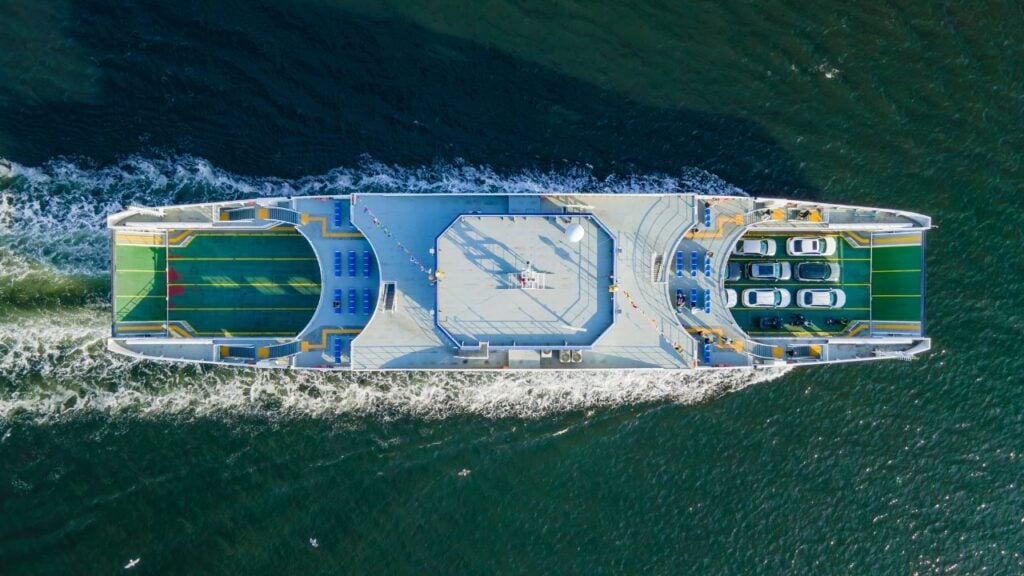
There's more to a Kingston ferry run than the boat.
Deckhands, toll takers, and loading crews see how drivers behave long before the boat leaves.
9 Things Washington Ferry Workers Notice About Drivers Every Day
