
10 Pennsylvania Flea Market Finds That Are Illegal to Resell

The outdoor flea market at Renninger’s in Adamstown opens at 5 a.m. every Sunday, dealers unloading tailgates under headlamp light before the sun’s even up.
By 7:30, a stranger’s whole attic and garage have landed across a folding table, priced with a marker and a guess.
Some of it could land a seller in federal court.
These are the Pennsylvania flea market finds that are illegal to resell.
Note: This is general information, not legal advice. Resale laws, license requirements, and penalties are subject to change.
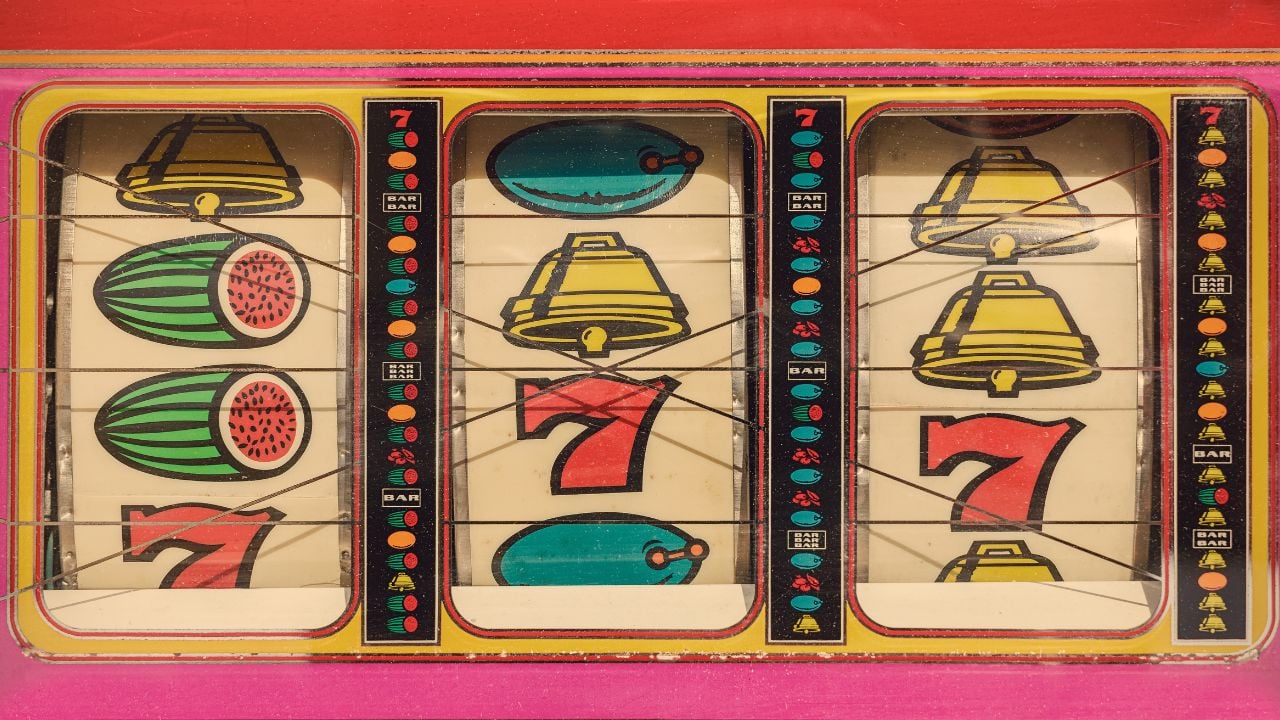
1. Vintage Slot Machines
Pennsylvania flea markets and antique malls turn up old coin-operated slot machines more often than many sellers expect, cast-iron cabinets, cranks, and all.
State law treats almost every slot machine as an illegal gambling device.
Pennsylvania’s criminal code makes it a crime to sell, lend, or offer any slot machine for sale, a first-degree misdemeanor.
There’s an antique exception, but it only protects machines that meet a strict age and history test.
It’s not just old and dusty.
What Counts as an “Antique” Slot Machine in Pennsylvania
Pennsylvania’s antique exception only covers a slot machine built at least 25 years before the current year.
The machine also has to show it was never used for gambling payouts, not just sit inside an old cabinet.
A flea market seller still has to prove both parts, the age and the unused-for-gambling history, or the machine counts as an illegal gambling device under Pennsylvania law.
2. Bootleg DVDs and CDs
Collier Township police cited a vendor selling hundreds of pirated DVDs on a Pennsylvania flea market table at Trader Jack’s Flea Market outside Pittsburgh in December 2012.
Officers walked away with the discs along with $180 in cash.
That single citation rests on federal copyright law, not just a local ordinance.
Selling unauthorized copies of movies or music is a federal crime, punishable by up to five years in prison once a haul tops ten copies worth more than $2,500.
One crate clears that bar.
3. Counterfeit Designer Goods
Pennsylvania flea markets sell more knockoff handbags and boots than many shoppers assume, and the legal risk falls on whoever’s working the booth, not just whoever made the fakes.
Customs agents raided Rice’s Market in Solebury Township, Bucks County, in December 2010 and seized more than $150,000 worth of merchandise carrying fake Nike, Coach, and Gucci trademarks, on top of counterfeit Burberry bags and UGG-brand boots.
Trafficking in goods stamped with someone else’s trademark is a federal crime, carrying up to 10 years in prison and a $2 million fine for a first offense.
Investigators on the case said the profits from fake merchandise help fund the same criminal networks that traffic narcotics, not just cover a vendor’s rent.
No arrests were made that day.
It happened in one flea market, one morning.
4. Ivory Carvings and Jewelry
Ivory-handled knives, carved figurines, and old piano keys still turn up on Pennsylvania antique dealer tables and flea market booths, family pieces that look harmless to resell.
Federal wildlife law says otherwise for many of them.
The U.S. Fish and Wildlife Service enforces a near-total ban on commercial ivory sales that took effect in 2016, under the Endangered Species Act and the African Elephant Conservation Act.
A narrow antique exception exists, but the piece has to be verifiably 100 years old or older, among other requirements, not just old-looking.
Many sellers can’t prove that.
5. Recalled Toys and Baby Gear
Secondhand toys, high chairs, and baby swings move fast at Pennsylvania flea markets, where a recall doesn’t disappear just because an item changed hands.
The Consumer Product Safety Commission (CPSC) states plainly that it’s illegal for anyone, a national retailer or a Sunday vendor, to sell a product that’s been recalled.
Small magnets, choking hazards, and lead paint have triggered some of the biggest recalls on toys, high chairs, and baby swings.
A recall follows a product forever, not just until it leaves a store’s return counter.
6. Drop-Side Cribs
Drop-side cribs turn up in Pennsylvania basements and storage units years after many parents stopped using them, and they’re a common flea market and yard sale find.
Federal regulators banned the design outright in 2011, not just certain recalled models.
The Consumer Product Safety Commission made it illegal to resell, donate, or give away a drop-side crib after the design was tied to dozens of infant deaths from suffocation and entrapment.
The rule covers every drop-side crib, recalled by name or not.
There are no exceptions for garage sales.
7. Consumer Fireworks
Leftover fireworks from last summer show up on Pennsylvania flea market tables more than sellers probably want to admit.
Pennsylvania legalized consumer fireworks for adults in 2017, but selling them is a different matter entirely.
Pennsylvania’s Department of Agriculture requires every retail seller of consumer fireworks to hold a Consumer Fireworks Facility License.
Selling consumer fireworks without that license is illegal, a licensing violation whether the sale happens in a retail store or off a folding table.
State troopers are told to treat an unlicensed flea market booth as exactly that kind of violation.
Psst! How resale-ready is your Pennsylvania flea market booth? Run through this checklist and see where you stand.
8. Leftover Prescription Drugs
Pennsylvania flea markets sometimes carry old pill bottles, inhalers, and half-used prescriptions tucked into first-aid boxes and estate-sale leftovers.
State law treats that inventory like a locked pharmacy shelf.
Pennsylvania’s Controlled Substance, Drug, Device and Cosmetic Act reserves the retail sale of prescription medication for a registered pharmacist working inside a licensed pharmacy.
That covers pills that are unopened, correctly labeled, and marked with someone’s own name: None of it changes who’s allowed to sell them.
9. Handguns Sold Table to Table
A handshake handgun sale happens at Pennsylvania flea markets and gun shows more often than buyers realize, cash changing hands with no paperwork at all.
State law doesn’t allow it without a licensed dealer or sheriff in the middle of the deal.
Pennsylvania’s firearms code requires a private handgun sale to run through a licensed dealer or a county sheriff’s office, which conducts the background check the two parties can’t do themselves.
It’s not a technicality.
Long guns carry a different rule; private sellers can transfer a rifle or shotgun without that step, but a handgun sold table to table skips a legal requirement.
Federal law still bars the sale to anyone prohibited from owning a gun, whichever kind changes hands.
10. Used Mattresses Without the Yellow Tag
A secondhand mattress or couch shows up at Pennsylvania flea markets constantly, usually with the price scrawled right on the plastic wrap.
Pennsylvania law requires any secondhand mattress or upholstered furniture to be disinfected by a registered business and carry a yellow tag before resale.
The yellow tag tells a buyer the piece was sanitized by a registered secondhand dealer, not just wiped down at home.
Sellers and auctioneers who skip the registration and the tag are operating outside the law, no matter how clean the mattress looks.
Without the tag, there’s no legal sale.
What Pennsylvania’s New Limits on Warrantless Property Searches Mean for Homeowners
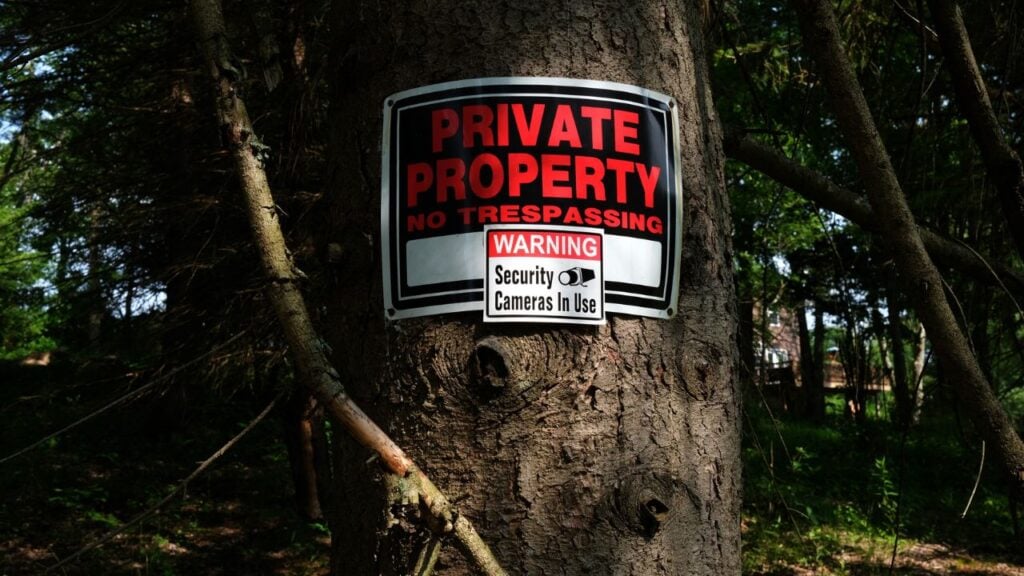
A “No Trespassing” sign on Pennsylvania land used to stop a nosy neighbor. It never had to stop a state game warden.
Pennsylvania’s Supreme Court just told every government official the same rule homeowners assumed applied all along, and the new limits reach far beyond hunting land.
What Pennsylvania’s New Limits on Warrantless Property Searches Mean for Homeowners
9 Pennsylvania Property Tax Breaks Retirees Leave on the Table

Pennsylvania recently raised its property tax rebate to $1,000, the biggest check the program has ever cut.
Eligible retirees still often skip the one-page form that unlocks it, along with several other breaks sitting right beside it.
9 Pennsylvania Property Tax Breaks Retirees Leave on the Table
