
10 Things Out-of-Staters Get Wrong About Living in Pennsylvania

A family moving to Pennsylvania pulls off Interstate 80, hunting for the flat farm country they pictured.
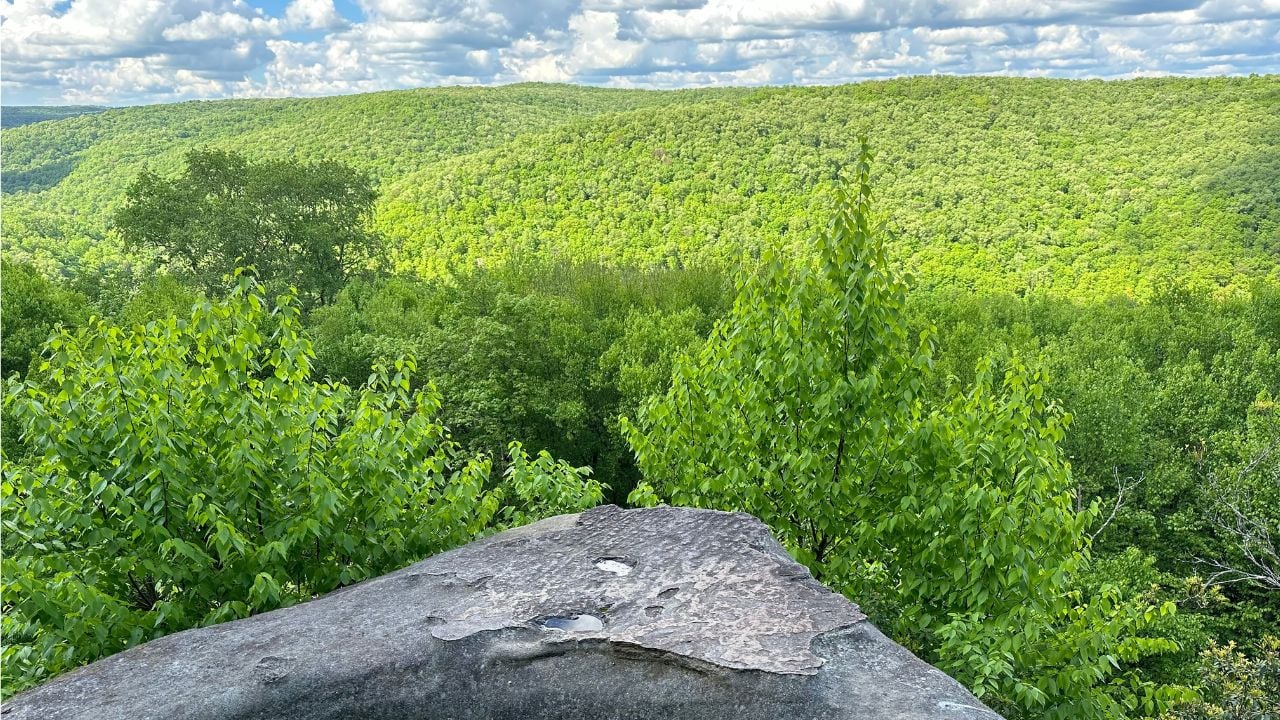
The road climbs into one forested ridge after another instead.
That gap, between the Pennsylvania people imagine and the Pennsylvania they move into, turns up everywhere.
These are the things out-of-staters get wrong about living in Pennsylvania.
The Capital Isn’t Philadelphia
Ask most out-of-staters to name Pennsylvania’s capital, and they’ll say Philadelphia.
Wrong city.
The seat of government sits in Harrisburg, a mid-size river town on the Susquehanna, about a hundred miles west of the crowds on Independence Mall.
Philadelphia did hold the title once, back when it served as the young nation’s capital in the 1790s.
That’s where the mix-up started.
But the domed capitol that holds Pennsylvania’s lawmakers overlooks Harrisburg, not the Delaware River.
Locals barely blink when a newcomer gets it backward.
Most of the State Is Forest
Around 59% of Pennsylvania is forest, and much of the rest is farmland.
Picture row homes or old steel mills, and you’re picturing the exception.
Between Philadelphia in the east and Pittsburgh in the west runs a wide, rural middle that locals call the “T.”
Farms and forest.
Elk graze the northern counties, and trout streams thread the Pennsylvania Wilds.
You can drive those back roads for miles without passing a traffic light.
Two famous cities, and a whole lot of woods in between.
No Sales Tax on Your Sweater
Pennsylvania’s sales tax skips the things you buy most.
Clothes and shoes ring up tax-free, and so do most groceries.
A winter coat, a pair of work boots, a cart of milk and bread, all exempt from the 6% state sales tax.
Newcomers from higher-tax states keep waiting for the tax to show up at checkout.
It doesn’t.
Philadelphia adds an extra 2%, and Allegheny County around Pittsburgh adds 1%.
But even there, your sweater stays untaxed.
A Flat Tax, and Retirement Gets a Pass
What about income tax?
Instead of brackets that rise with income, Pennsylvania charges one flat rate of 3.07% on everyone, from a first paycheck to a corner-office salary.
One number.
And if you’re retired, Pennsylvania leaves your retirement money alone.
Social Security, pensions, and withdrawals from a 401(k) or an individual retirement account (IRA) all escape state income tax here.
That combination is rare, and it pulls a fair number of retirees across the line from New York and New Jersey.
The one caveat is local: Many towns and school districts add an earned income tax on your wages, so working residents pay a little more than the flat rate alone suggests.
The State Sells the Wine
In Pennsylvania, you buy your wine from the government.
Odd, but true.
The state runs the wine and liquor business itself, through a chain of Fine Wine & Good Spirits stores that the Commonwealth owns.
No cabernet at the supermarket checkout, no whiskey at the corner store.
If it’s spirits or wine, the state is your retailer.
Beer works differently, sold through distributors, delis, and licensed bars, each with its own rules about how much you can carry out at once.
Transplants used to grabbing a bottle with their groceries find the whole system baffling, right up until they memorize where their nearest state store sits.
Psst! Some Pennsylvania beliefs outsiders swear are true fall apart on a closer look. Read each card, make your guess, then tap to see if it holds up.
Sheetz Country and Wawa Country
Both Sheetz and Wawa were born in Pennsylvania, Wawa in the southeast near Philadelphia and Sheetz out of Altoona.
Each sells hot, made-to-order food that turns a fuel stop into lunch, and loyalty splits hard along geography.
The east swears by Wawa’s hoagies.
The middle and west defend Sheetz’s touchscreen-ordered subs and fries.
Nobody here argues over which gas station is cheapest.
They argue Sheetz versus Wawa.
Ask which is better in the wrong county, and you’ll start something.
“Dutch” Means German
The Pennsylvania Dutch aren’t from the Netherlands.
The name is a worn-down version of “Deutsch,” the German word for German, and it marks settlers who came from German-speaking lands generations ago.
Their descendants still speak a German dialect, raise barns together, and sell shoofly pie at roadside stands across the southeast.
The Amish belong to that world, but they aren’t around every bend.
Pennsylvania has the largest Amish population of any state, yet most of it clusters in and around Lancaster County.
Not statewide.
Drive an hour past Philadelphia, and you’ll pass a horse and buggy. But drive through the western ridges, and you won’t ever.
Erie Gets Buried
Pennsylvania’s northwest corner sits on the shore of Lake Erie, where cold air crossing the open water dumps lake-effect snow by the foot.
Erie averages close to 100 inches a season, and more than 60 inches fell there in a few days one recent Christmas.
Meanwhile, Philadelphia in the far southeast might get a light dusting the same week.
So much for mild and uniform.
Pack the boots either way.
The Turnpike Costs You
Crossing Pennsylvania by car often means paying for the privilege.
The Pennsylvania Turnpike opened in 1940 as the country’s first long-distance superhighway, and it has charged tolls ever since.
A full east-west run adds up fast.
The cash booths are gone now, replaced by cameras and E-ZPass, so a toll bill can land in your mailbox weeks after the trip.
The ride is smooth.
The bill isn’t.
Newcomers who budgeted for gas alone learn to factor in the tolls, and to dread the Breezewood interchange like a local.
Psst! How much do you know about Pennsylvania? Take our quiz and see if you can ace it.
Quiz
Keystone State Pop Quiz
Take on these questions about Pennsylvania’s inventions, firsts, and claims to fame. We bet you can’t get them all right. Prove us wrong?
The banana split was invented in 1904 in which Pennsylvania city?
Pittsburgh Traded Steel for Something Else
Outsiders still picture Pittsburgh as a smoky steel town, furnaces glowing over the rivers.
The mills mostly closed decades ago, and the city rebuilt itself around hospitals, universities, and technology.
Its biggest employers now are health systems, not steelmakers.
Self-driving cars even test on the same streets that once hauled iron ore.
The air is clean, and the rivers draw kayakers, while Carnegie Mellon feeds a steady stream of engineers into the local tech scene.
Steel built it, then left.
Fans still wave the black-and-gold Terrible Towel on autumn Sundays, so some traditions held on.
But the smoky mill town outsiders keep picturing shut its furnaces long ago.
9 Pennsylvania Sayings That Leave Out-of-Towners Confused

Somewhere between the Liberty Bell and the Terrible Towel, Pennsylvania splits into two ways of talking.
Visitors nod along and miss the switch every time.
9 Pennsylvania Sayings That Leave Out-of-Towners Confused
12 Pennsylvania Traditions Younger Generations Are Letting Fade Away
Ask a longtime Pennsylvanian what they miss, and the answer is rarely a place.
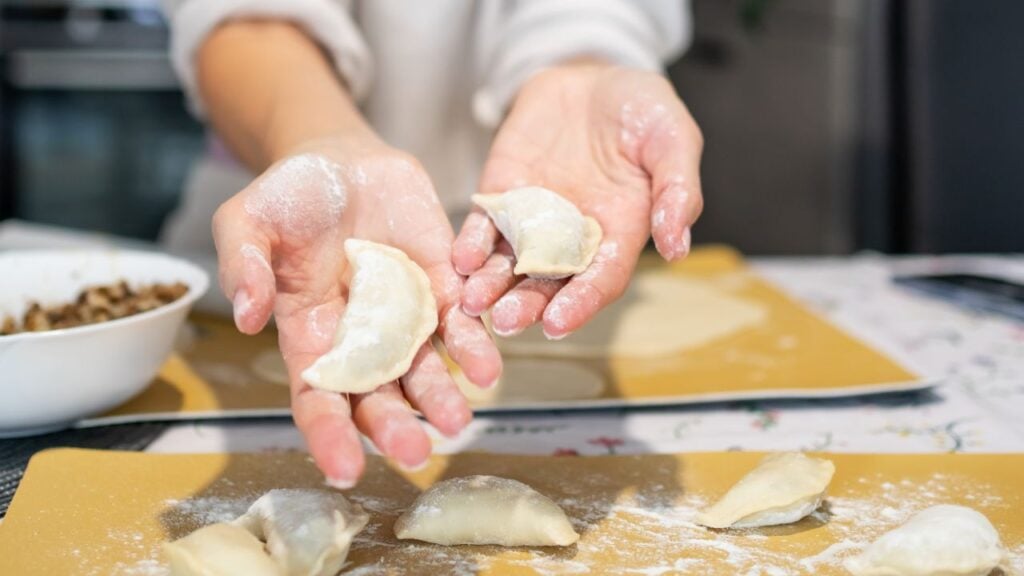
It's a day off school, a pastry fried in lard, a folding table crowded with pierogi.
12 Pennsylvania Traditions Younger Generations Are Letting Fade Away
