
11 Purchases That Cost Georgia Owners Far More to Maintain Than Expected

Georgia’s insurance and safety fire office inspects every private home elevator once a year, charging from $55 for a basic two-stop lift.
Nobody mentions that at the showroom.
These are the purchases that cost Georgia owners far more to maintain than expected.
Note: This is general information, not financial or legal advice. Costs, fees, and requirements vary by county and provider, and are subject to change.
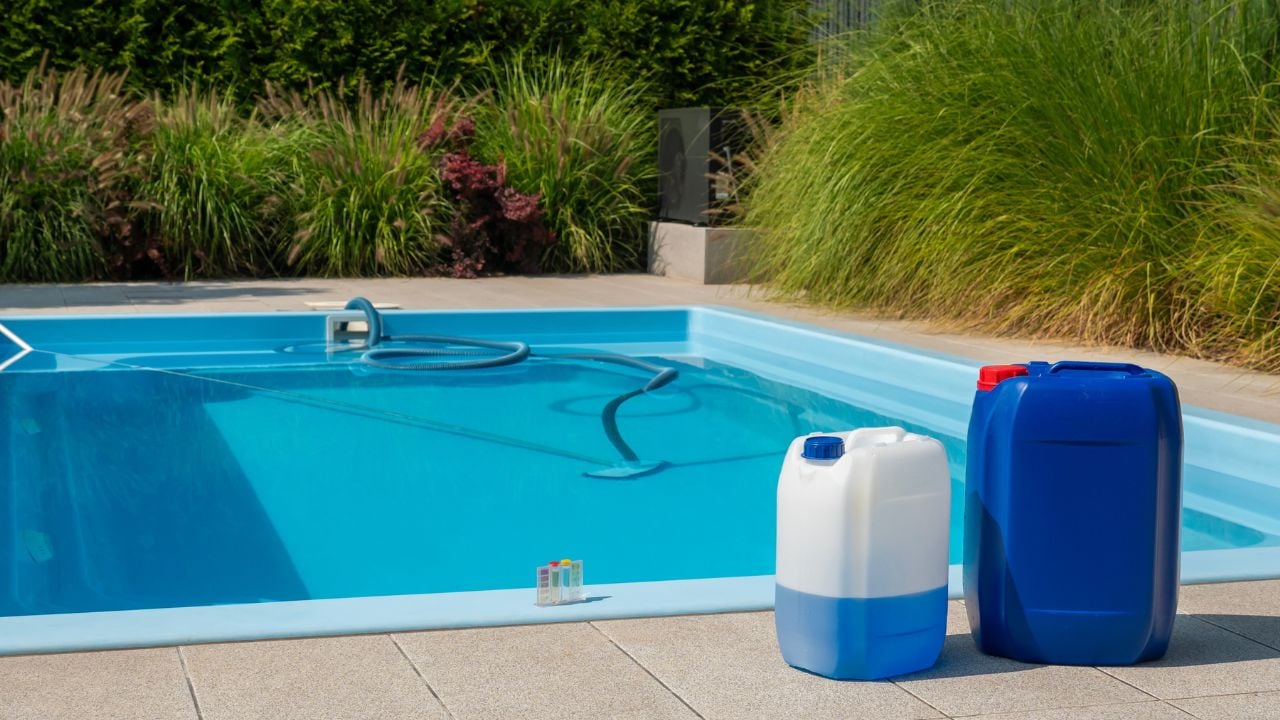
1. In-Ground Pool’s Chemical and Electric Bill
Filling an in-ground pool is the cheap part for a Georgia owner; keeping it running is where the bills start.
Chemicals alone run $175 to $750 a year for many owners, and the electricity to run the pump adds another $800 to $1,200 on top of that.
Many owners skip doing the work themselves and hire a full-service maintenance company instead, which runs $960 to $1,800 a year covering both chemicals and labor.
Georgia’s long, humid pool season means the pump runs more months than it would up north, which pushes the electric bill higher too.
A cracked liner or a failing pump motor adds thousands more, and neither waits for a convenient year.
That adds up fast.
2. Boat’s Annual Property Tax Bill
A boat in Georgia comes with a tax bill the county sends every year, not just a price tag at the dealer.
Georgia law requires the owner to file the state’s marine personal property tax return, form PT-50M, each year.
That return reports the boat and motor’s fair market value to the county where it sits most of the time.
The county assesses it the same way it assesses other property in Georgia, at 40% of fair market value.
It never skips a year.
A boat that has never been returned before and misses the filing deadline picks up a 10% penalty on top of the tax owed.
Winter storage adds a separate bill on top of that.
Indoor rack space for a mid-size boat can run close to $1,000 for the season, and insurance and dock fees keep coming whether the boat leaves the driveway or not.
Skipping the antifreeze flush before a hard freeze can crack an engine block by spring.
3. Second Home’s Full Property Tax Bill
A second home in Georgia carries the full property tax bill, without the break Georgia gives a primary residence.
The state’s standard homestead exemption knocks $2,000 off the taxable value of a primary residence, and many counties layer a bigger local exemption on top of that.
None of it applies to a lake house or a mountain cabin that sits empty much of the week.
It pays full freight instead.
Add a lawn service and a pipe-winterizing visit to keep the place from freezing while nobody’s there, and the empty house still costs money every month.
4. RV’s Off-Season Storage Fee
A recreational vehicle, or RV, that sits through a Georgia summer spends months in some of the muggiest air in the country.
Average relative humidity across the state runs 70% to 80% in summer, and mold can take hold inside an RV within weeks if it sits somewhere without climate control.
That pushes many owners toward indoor, climate-controlled storage, which costs more than a bare outdoor spot and can run up to $400 a month for a larger unit.
Even parked at home instead of a storage lot, battery upkeep, tire care, and a generator run to keep the fridge cold still add up every month it sits idle.
5. Home Generator’s Annual Service Contract
A home standby generator gets tested every time the power goes out, and Georgia storms take it down often.
Hurricane Helene alone knocked out power to more than 1 million Georgia Power customers in September 2024.
The utility had restored about 610,000 of them and still had roughly 425,000 in the dark five days after the storm hit.
Georgia Power called it the most destructive storm in company history.
That yearly visit, covering an oil change, a battery test, and a full load test, runs $425 to $450 for many Generac home units.
Skip a year of service, and the manufacturer can deny a warranty claim outright.
Paperwork keeps the warranty alive.
Every hour it runs during an outage adds to the following year’s service bill, and outages like Helene add hours fast.
6. Horse’s Monthly Board Bill
A horse bought in Georgia starts running up bills after the sale, not before it.
Georgia is home to more than 74,000 horses, and the University of Georgia Extension puts their economic impact at $750 million a year.
Full-service board across Georgia averages $843 a month, and the priciest barns near Atlanta charge $1,500 to $2,050, according to a 2026 survey of Georgia boarding facilities.
That works out to more than $10,000 a year before a single vet bill.
Farrier visits, vet care, and required liability insurance add more on top of it, every month, whether anyone rides the horse or not.
7. Septic System’s Pumping Schedule
A septic system gives no warning before it needs pumping, and skipping that service gets expensive fast.
Solids build up in the tank over time, and Georgia’s health guidance calls for pumping it out every three to five years to keep them from reaching the drain field.
A standard pump-out runs $450 in many parts of Georgia, and homes in the north Georgia mountains can pay even more.
Skip it long enough, and the drain field clogs, which can mean a repair bill running into the thousands.
The repair bill isn’t cheap.
How Often a Georgia Septic Tank Needs Pumping
Georgia’s septic guidance isn’t one flat number for every household.
The recommended interval ties to how many people live in the house: Roughly every 3.7 years for a household of three, dropping to roughly every 1.5 years for a household of six.
A garbage disposal cuts that window by about half because it sends far more solids into the tank with every use.
A family of five running a disposal every night could be looking at a pump-out every year or two, not every five.
8. Hot Tub’s Electric and Chemical Bill
A hot tub in Georgia can’t legally go in without a licensed electrician and a permit.
Every hot tub needs a dedicated 240-volt circuit with ground-fault circuit interrupter (GFCI) protection.
Metro Atlanta jurisdictions require an electrical permit and inspection before it’s hooked up, no matter the size of the unit.
An unpermitted hookup can void a warranty and complicate an insurance claim later.
Many homes built before the 1990s carry only 100-amp electrical service.
A hot tub’s 40- to 60-amp draw can push an old panel past its limit, meaning a panel upgrade before the tub ever turns on.
Once it’s running, chemicals, filters, and the electricity to keep the water hot add up to roughly $600 a year for many owners.
The pump and heater alone can add $20 to $50 to the power bill every month in winter.
A cracked heater element or a failing pump motor can run into four figures, and hot tubs rarely fail at a convenient time.
9. Home Elevator’s Annual State Inspection
Georgia’s insurance and safety fire office inspects a home elevator using the same rules it applies to elevators in office towers.
Georgia’s fee schedule charges by the number of floors it opens onto, and the smallest lift, opening on just two floors, still owes $55 a year.
A larger elevator serving more floors runs well past $400 a year on that same fee table.
Every floor adds up.
None of that includes the mechanic who has to show up and pass the inspection.
10. Solar Panels’ Inverter Replacement
Solar panels themselves rarely fail, but the equipment that makes them useful does.
Georgia Power caps its solar buy-back credit at roughly half the retail electricity rate, crediting excess power at about 7 cents a kilowatt-hour against a retail rate near 13 cents.
That gap matters most when the inverter fails.
A Georgia system earns less credit for every kilowatt-hour it produces than a system in a state with full retail-rate net metering.
Professional cleaning and inspection runs $720 a year on the higher end for many systems.
The inverter carries a separate warranty that runs out years before the panels’ warranty does, and replacing an inverter costs $800 to $2,500 depending on the type.
Many inverters last 10 to 15 years, so a system installed today will likely need one mid-life replacement before the panels wear out.
Psst! How much do you know about the hidden costs of owning big-ticket stuff in Georgia? Take our quiz and see if you can ace it.
Quiz
Hidden Ownership Costs Quiz
See how many of these Georgia ownership costs and rules you can get right. We bet at least one surprises you.
Under Georgia’s boat registration fee schedule, how long does a standard registration last before it needs to be renewed?
11. Irrigation System's Winterizing and Backflow Test
A Georgia yard's in-ground sprinkler system needs attention long after the installer leaves.
Blowing the lines out before the first freeze runs $85 on average, and skipping it can crack the pipes underground.
That's easy to skip.
Many Georgia water utilities also require an annual test of the backflow prevention device that keeps sprinkler water from siphoning back into the drinking supply.
A certified tester has to run that check every year and report the results to the county, at the owner's expense.
7 Farmers Market Mistakes That Cost Georgians Money Every Saturday

A hand-lettered "no-spray" sign at a Georgia farmers market sounds reassuring, but nobody checks that claim before the tables go up on Saturday morning.
A few other habits at the market are costing shoppers more than the grocery store would.
7 Farmers Market Mistakes That Cost Georgians Money Every Saturday
8 Medicare Enrollment Mistakes That Cost Georgia Retirees All Year

Some Georgia retirees carry a Medicare surcharge that costs close to $487 a year, and one missed deadline is all it takes to get stuck with it.
These are the enrollment mistakes that keep costing Georgia retirees money all year long.
8 Medicare Enrollment Mistakes That Cost Georgia Retirees All Year
