
12 Frugal Boomer Habits Younger Georgians Laugh At Until They Try Them

A faucet that drips once a second can waste more than 3,000 gallons of water a year.
Your parents probably fixed the issue the same day. Younger Georgians might laugh at that, until their water bill shows up.
Here are the frugal boomer habits younger Georgians laugh at until they try them.
Note: This is general information, not financial advice. Prices, savings and program rules are subject to change.
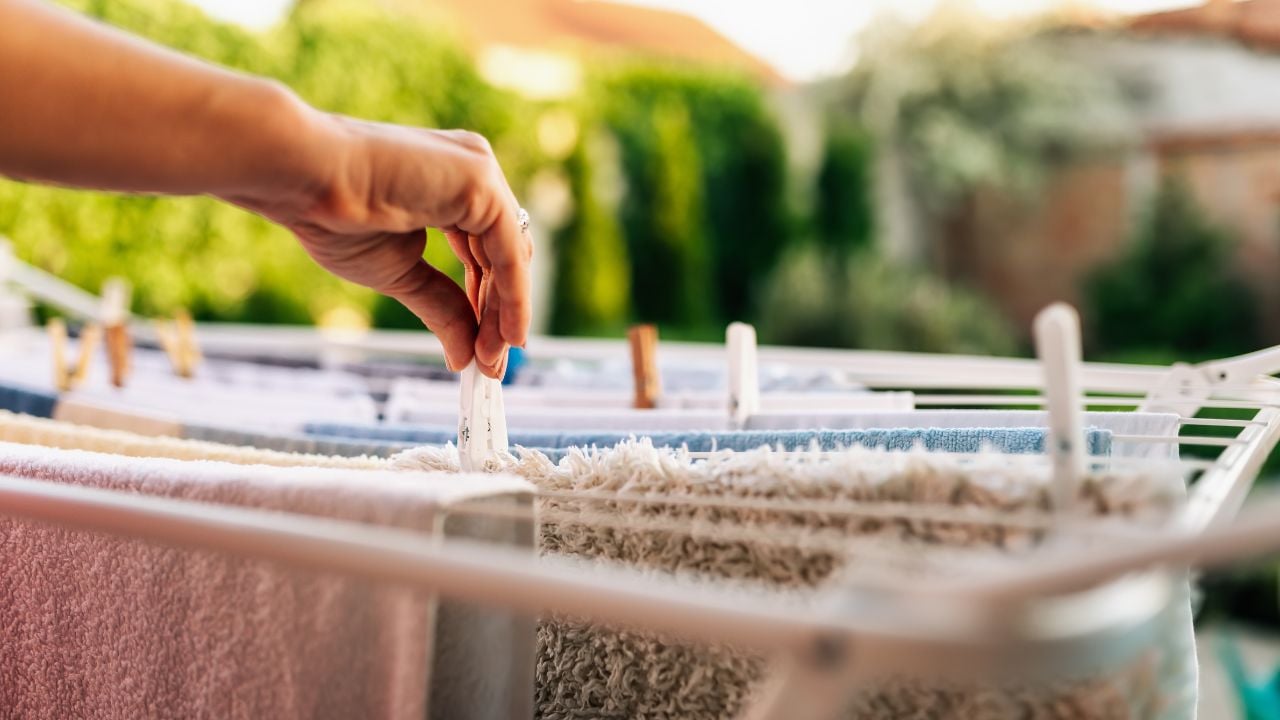
1. Air-Drying Laundry
Air-drying laundry is the frugal boomer habit that keeps the dryer off.
The Department of Energy tells you to consider air-drying clothes on clothes lines or drying racks.
Many younger people laugh at a clothesline until they skip the dryer for a week.
You can also wash in cold water with cold-water detergents whenever possible.
Cold water does the job.
2. Closing the Curtains by Day
Closing the curtains by day is the boomer habit that keeps summer sun out of your living room.
The federal ENERGY STAR program advises you to close window shades and drapes in warm weather to keep out the heat of the summer sun.
That’s less heat for your air conditioner to fight.
No gadget required.
3. Unplugging Idle Electronics
Unplugging idle electronics is the frugal habit that goes after standby power, the electricity products draw while they’re switched off.
Standby power can cost the average household as much as $100 a year.
It makes up 5 percent to 10 percent of residential energy use.
A switched power strip lets you turn off a whole shelf of electronics at once.
It takes one switch.
Many younger people laugh at a boomer who unplugs the toaster.
Leave your refrigerator plugged in, though.
4. Fixing Drips Right Away
Fixing your dripping faucet right away is the frugal habit that stops a small leak from becoming a bigger one.
The EPA says a faucet that drips once per second can waste more than 3,000 gallons a year.
The average household loses more than 9,300 gallons a year to leaks of all kinds.
You pay for it all.
5. Eating Leftovers Twice
Eating leftovers is the frugal habit that fights waste at your dinner table.
The U.S. Department of Agriculture (USDA) estimates that 30-40 percent of the food supply goes to waste.
Cooked meat and poultry leftovers keep in the refrigerator for up to four days.
A Sunday pot of chili can cover your Monday and Tuesday lunch.
Lunch is settled.
6. Canning Summer Produce
Canning summer produce is the frugal boomer habit that stretches your grocery money well into the winter.
The National Center for Home Food Preservation, which the University of Georgia (UGA) hosts, publishes research-based recommendations for home canning and other food preservation methods.
That gives you a guide to follow.
Many younger people see a shelf of canned peaches as old-fashioned until they open a jar in the middle of winter.
Start with one batch.
Psst! How much do you know about saving money? Take our quiz and see how many you can get right.
Quiz
Frugal Living IQ
Answer these questions on money, food and household savings. We bet you can’t get them all right. Prove us wrong?
The U.S. Mint says the cost to make and distribute one penny rose from 1.42 cents over the last decade to how much?
7. Starting a Backyard Garden
Starting a backyard garden is a frugal boomer habit, but guessing at what the dirt needs gets expensive.
Test it first.
In Cobb County, UGA Extension's basic soil test costs $10 and comes with personalized recommendations.
The report covers pH and key nutrients, so you buy only what the dirt needs.
8. Borrowing From the Library
Borrowing from the library is a frugal boomer habit with a big library network behind it.
PINES, the lending network of the Georgia Public Library Service, spans 300 libraries and service outlets.
Georgia residents are eligible for a free PINES card, which opens a shared collection of 10.6 million books and other materials.
That's a lot of books.
You can have items delivered to your home library at no charge.
9. Combining Errands
Combining your errands into one loop is a frugal boomer habit with a cold-engine reason behind it.
Several short trips from a cold start can use twice as much fuel as a longer, multipurpose trip covering the same distance, according to the federal fuel economy site.
Your engine burns more fuel until it warms up, so the pharmacy, the post office and the grocery store belong on one route.
The engine stays warm.
10. Claiming Senior Discounts
Claiming senior discounts is a frugal boomer habit, and Georgia State Parks has one you may qualify for.
An annual ParkPass costs $70, while parking for a single day runs $10 per vehicle.
Visitors 62 and older can buy the annual pass at a discount.
It's half price.
But the discounted passes are sold only in person.
At $35, the pass pays for itself by your fourth parking trip.
11. Paying the Card in Full
Paying off the credit card every month is the frugal boomer habit that keeps interest off your statement.
The Consumer Financial Protection Bureau says you can usually avoid paying interest on purchases if you pay your balance in full each month by the due date.
Many younger people laugh at a boomer who won't carry a balance, even for a rewards bonus.
You owe zero interest.
How the Grace Period Works
The grace period behind this habit is the stretch between the end of your billing cycle and the date your payment is due.
Card issuers must set up procedures so your bill reaches you at least 21 days before the payment is due.
If you don't pay the full balance by the due date, you lose the grace period, and new purchases start collecting interest the day you make them.
12. Writing Down Every Dollar
Writing down what you spend is the frugal boomer habit that needs nothing but pen and paper.
The federal consumer.gov site tells you to write down what you spent each day.
At the end of the month, you check whether you spent what you planned.
You don't need an app.
A budget can also help you save for goals or emergencies.
A notebook, a spreadsheet or the back of an envelope all work as a record.
12 Signs You've Lived in Georgia Too Long, According to Locals

Some habits only show up after you've lived in Georgia a while.
These are the reflexes that long-timers stopped noticing years ago.
12 Signs You've Lived in Georgia Too Long, According to Locals
7 Streaming Charges Georgians Keep Paying for Nothing

A recurring charge can outlast the reason you signed up for it.
These are the streaming charges Georgians keep paying for nothing.
