
12 Hygiene Habits From Around the World That Illinoisans Would Be Smart to Adopt

Americans are a clean bunch, for the most part.
But every culture has its own hygiene tricks, and some of them put our habits to shame.
Travel the world, and you’ll find small daily routines that keep homes fresher, bodies cleaner, and germs at bay, often with less effort than what we do here.
Here are some hygiene habits from around the globe worth borrowing for your home.
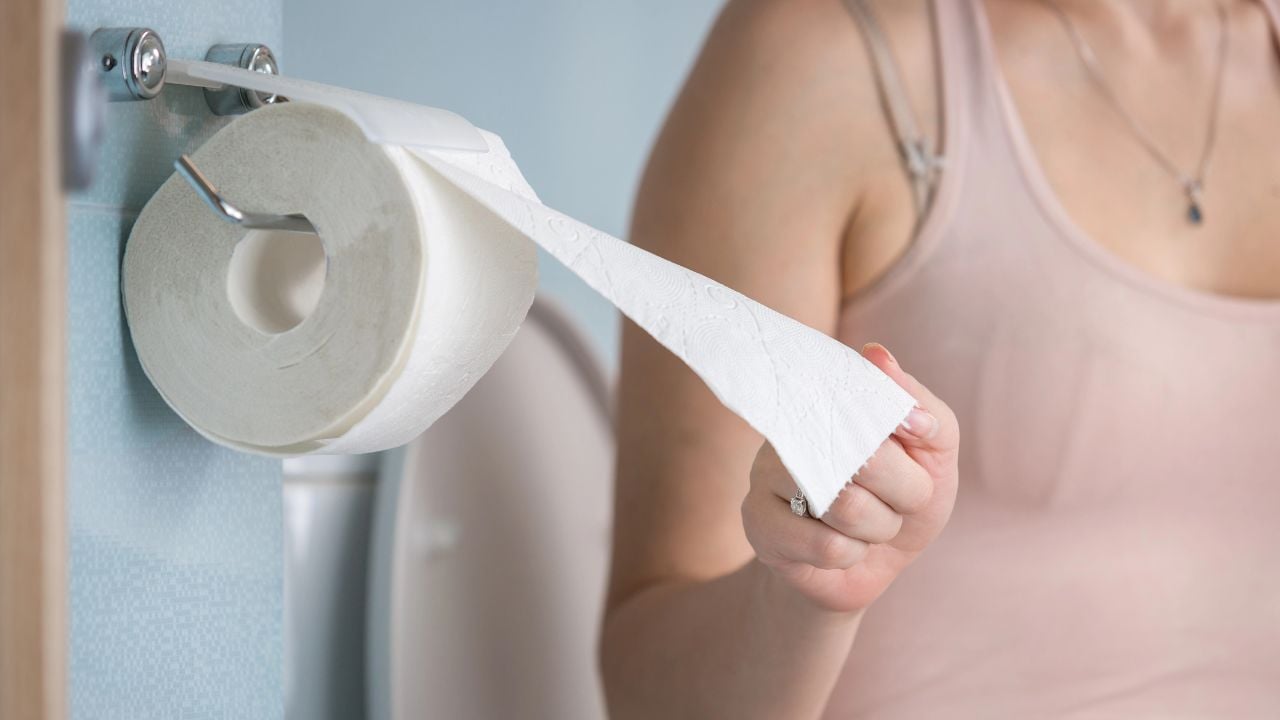
Embrace the Bidet
Much of the world wouldn’t dream of relying on dry paper alone.
In Italy, France, Japan, and across the Middle East and South Asia, washing with water is simply the standard.
The logic is hard to argue with.
Water cleans more thoroughly and gently than wiping, and it’s kinder to sensitive skin.
Modern bidet attachments clip onto your existing toilet for a small price and a surprising upgrade in comfort.
Americans are slowly coming around, especially after a certain run on toilet paper a few years back.
Give it a try, and you may never go back.
Once you’ve made the switch, dry paper alone feels downright primitive.
Take Your Shoes Off at the Door
In Japan, Korea, Scandinavia, and much of the world, street shoes never make it past the entryway.
Slip them off, step into house slippers, and leave the outside outside.
There’s real hygiene behind the habit.
The bottoms of your shoes carry dirt, bacteria, pesticides, and traces of whatever you walked through downtown.
A no-shoes rule keeps all of that off your floors, where toddlers and pets spend their days.
Set a basket by the door and make it house policy. Your carpets—and your lungs—will thank you.
Wash Your Hands the Moment You Get Home
In much of East Asia and Europe, walking in the door and heading straight to the sink is second nature.
Your hands touch door handles, railings, shopping carts, and money all day, picking up germs along the way.
A quick wash the moment you’re home stops those hitchhikers before they spread to your face, your food, and your family.
It takes twenty seconds and asks nothing of you but a little consistency.
Make it the first thing you do after kicking off those shoes.
Change Into House Clothes
In Japan, Korea, and much of Europe, the outfit you wore out comes off the minute you’re home, swapped for something kept just for indoors.
Those clothes have been out in the world, collecting pollen, smoke, germs, and grime from every chair and train seat.
Changing keeps all of it off your couch and, more important, out of your bed.
You don’t need a special wardrobe, just a comfy set you slip into at home.
Bonus: It signals to your brain that the workday is finally done.
Air Your Bedding in the Sun
Step onto a balcony in Japan on a sunny day and you’ll see futons and blankets draped over every railing, soaking up the rays.
Sunlight and fresh air get to work, drying out the moisture that dust mites love and freshening fabric that’s spent all night absorbing your sweat.
The result is bedding that smells and feels cleaner, no wash required.
Drape your sheets, pillows, or comforter over a railing or chair on a sunny afternoon.
A few hours is all it takes.
Scrape Your Tongue
A staple of Indian and Ayurvedic routines for centuries, tongue scraping is catching on with dentists everywhere.
Your tongue harbors a surprising amount of bacteria, the same stuff behind morning breath and that filmy coating.
A quick pass with an inexpensive metal or plastic scraper clears it away in seconds, leaving your mouth fresher than brushing alone.
It won’t replace your toothbrush, but it makes a worthy sidekick.
Keep a scraper by the sink and run it across your tongue right after you brush.
You might be surprised what comes off.
Wear a Mask When You’re Sick
Long before COVID-19, people across Japan, South Korea, and much of East Asia wore masks in public at the first sign of a cold.
The idea is simple courtesy. If you’re sniffling and coughing, a mask keeps your germs to yourself on the bus, at the store, and around coworkers.
It’s seen as the polite thing to do, not a hassle.
Next time you feel a bug coming on but still have to go out, pop one on.
Your neighbors will appreciate it more than you know.
Line-Dry Your Laundry in the Sun
Most of the world hangs laundry outside to dry, and the United States is the odd one out with its devotion to the machine.
Beyond saving energy and money, the sun does something a dryer can’t.
Its ultraviolet light helps freshen fabric and knock back odor-causing bacteria, and it leaves sheets smelling like, well, sunshine.
String up a clothesline or grab a folding rack for the yard or balcony.
Your whites will brighten and your power bill will shrink.
Shower in the Evening
In Brazil, Japan, and hot climates the world over, the day ends with a wash rather than begins with one.
Think about everything your skin and hair collect over a day: sweat, pollen, pollution, city grime.
Showering at night sends all of it down the drain instead of into your sheets, which means cleaner bedding and, for allergy sufferers, easier breathing overnight.
Morning shower folks can keep their routine, but try an evening rinse before bed.
You may sleep better for it.
Use an Exfoliating Washcloth
From Korean bathhouses to Turkish hammams, much of the world scrubs with a textured cloth or mitt rather than just soap and bare hands.
A gentle exfoliating cloth lifts away dead skin and grime that a quick lather leaves behind, leaving you cleaner and your skin smoother.
In Korea, the deep scrub-down is a beloved tradition, complete with its own special mitt.
Add a washcloth or mitt to your shower and use it a few times a week.
Easy does it, though, since scrubbing every day can be rough on the skin.
Brush After Lunch, Too
In Japan, it’s common to see people brushing their teeth at the office or school after lunch, travel toothbrush in hand.
Brushing twice a day is the baseline, but a midday cleaning clears out food and acid before they sit on your teeth all afternoon.
Your dentist would heartily approve, and your lunch breath won’t trail you into your next meeting.
Tuck a small toothbrush in your bag or desk drawer.
A quick brush after lunch is a tiny habit with a big payoff.
Wash Your Feet Before Bed
In many South Asian, Middle Eastern, and hot-climate cultures, a quick foot wash is the last stop before bed.
Feet sweat, collect dirt, and carry whatever your shoes picked up all day.
Rinsing them at night keeps that grime out of your sheets and can even help you feel cooler and more relaxed as you drift off.
It takes a minute at the tub or sink.
Clean feet, cleaner bed, and a better night’s sleep, all for the price of a little water.
18 Disturbing Facts You’ll Wish You Never Learned
The facts we’re about to share will make you set your coffee down and stare at the wall for a second.
Warning: You can’t unread these.
18 Disturbing Facts You’ll Wish You Never Learned
24 Items That Have Alarmingly High Levels of Microplastics
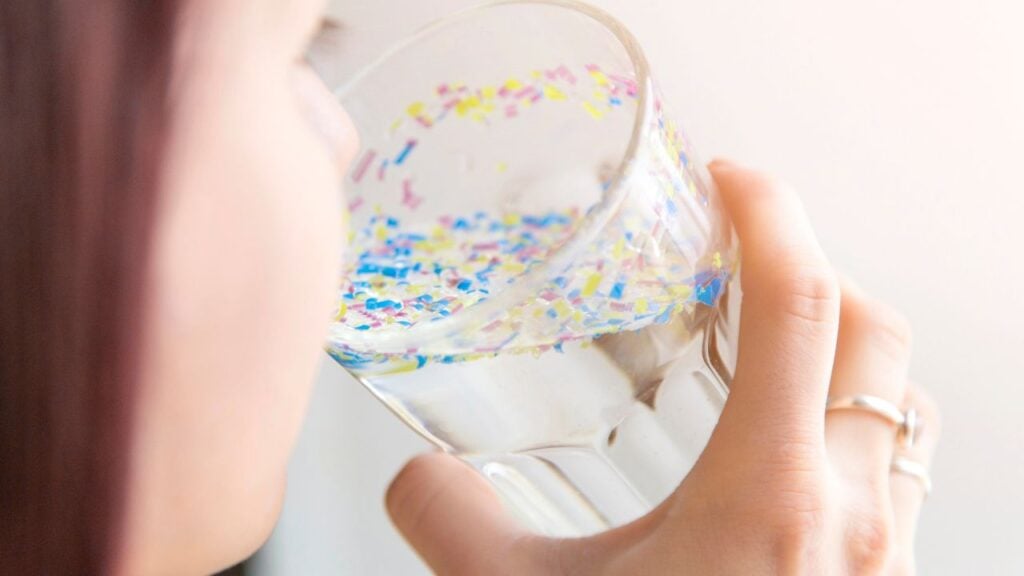
You can’t see, smell, or taste microplastics. But research reveals they’re showing up in our everyday lives.
Here are 24 common items where microplastics hide and why you need to pay attention.
