
12 Things Financially Savvy Utahns Avoid Doing at Walmart

Just because something’s at Walmart doesn’t mean it’s the best deal.
Money-savvy Utahns understand that small spending habits add up fast. Here’s what not to do if you don’t want to lose money at Walmart.
Ignore the Unit Price on the Shelf Tag
Walmart knows how to grab attention with big, bold prices. But smart shoppers are look at the fine print, not just the sticker on the front.
That small number called the “unit price” tells you what you’re really paying per ounce, per sheet, or per count. And it’s not always what you expect.
A larger package might actually cost more per unit than the smaller version sitting right next to it.
Financially smart shoppers take a few seconds to compare. They know that real savings happen over time, in small amounts.
Choosing the better deal today could save you hundreds over the course of a year.
Buy Something Just Because It’s on Rollback
Rollbacks feel like a win. The sign says you’re saving money, and the bright red tags make it feel urgent.
But smart shoppers don’t fall for that.
They understand that just because something is on sale doesn’t mean it’s a good buy. If it wasn’t already on their list, it’s probably not something they truly need.
Financially wise folks pause before adding a rollback item to their cart. They ask, “Would I buy this if it wasn’t marked down?”
If the answer is no, they move on.
It’s not about avoiding deals. It’s about avoiding waste. A sale is only helpful if it’s what you need.
Forget to Use the Walmart App
Walmart’s app isn’t just for tech lovers. It’s a real tool that can save you time and money if you remember to use it.
Smart shoppers use the app to check store inventory, look up prices, and even build their shopping list.
Some even scan items in the store to double-check prices, which can sometimes vary from shelf to shelf.
The app also helps track spending as you shop, which can keep impulse buys in check. If something feels like a splurge, a quick look at your total can help you decide if it’s worth it.
Skipping the app might seem like no big deal. But over time, that missed information can add up financially.
Skip the Clearance Section
Clearance sections might look like chaos, but smart shoppers know they’re full of opportunity.
Even five minutes of browsing can turn up items you were planning to buy anyway at a fraction of the price.
The key words here are “were planning to buy.” Financially savvy folks don’t use clearance as an excuse to buy things they don’t need.
Instead, they use it to stock up on any essentials that happen to be on their list.
Pay Full Price for Seasonal Items
Seasonal products are fun, colorful, and often placed right at the front of the store. But they’re almost always overpriced when they first arrive.
Financially smart people skip the rush. They wait until after the holiday or season ends, when those items drop in price, sometimes by half or more.
They also plan ahead. If they know they’ll need beach towels next summer or Halloween costumes for the kids, they buy them months in advance while everyone else is shopping for something else.
It’s a patient habit, but it works.
The savings add up, and they’re never stuck paying top dollar for something that’s only useful a few weeks a year.
Buy More Just to Get Free Shipping
It’s tempting. You’re just a few dollars away from free shipping, and adding one more item feels like a smart move. But financially savvy people don’t fall for that trick.
They understand that spending extra just to hit a threshold isn’t saving money. It’s spending more than planned.
That extra candle, toy, or kitchen gadget might seem small, but over time, it adds up.
Smart shoppers stick to their list. If they don’t need anything else, they skip the free shipping and choose store pickup or simply wait until they have a full cart of essentials.
They know the real win is spending less overall, not just avoiding a shipping fee.
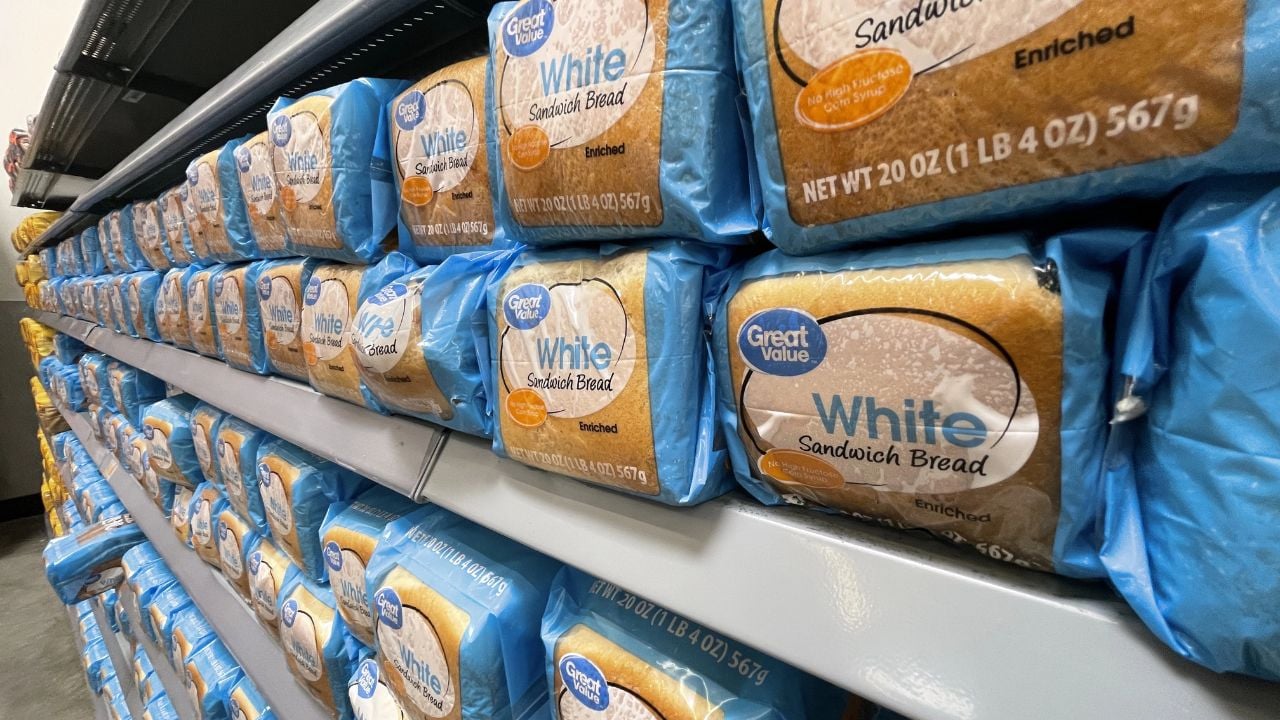
Assume Great Value Is Always the Best Deal
Walmart’s store brand, Great Value, often lives up to its name, but not always.
Smart shoppers don’t just assume Great Value is the cheapest or best option. They compare.
Sometimes, a name-brand item is on sale or comes in a size that offers a better unit price. Other times, the quality difference matters more than the price.
Financially smart people read labels, compare prices, and consider what they’re actually getting.
They don’t buy out of habit; they buy based on facts.
Great Value can be a great choice, but it’s not always the right one. Being flexible helps you find the best deal, no matter the brand.
Forget to Price Match When It’s Available
Walmart has a price match policy in certain situations, but many people forget to ask about it. Financially smart shoppers don’t let those savings slip by.
If they find a better price online from Walmart itself, they speak up. In select cases, store managers can honor it.
They also use tools like the app to double-check prices as they shop.
It’s not about being difficult. It’s about knowing the rules and using them to your advantage.
Even small price differences matter. Smart shoppers understand that every dollar counts, especially when it’s yours to keep.
Pay With a Card That Offers No Rewards
At a store like Walmart, where families often spend hundreds each month, your payment method matters. Smart shoppers use credit or debit cards that offer rewards, points, or cash back.
Even if it’s just one or two percent, that return adds up fast. Over a year, it could mean a free tank of gas, a grocery credit, or even a small trip.
Using a card with no benefits means leaving money on the table. That’s not something financially sharp people like to do.
Here’s the catch: If you choose a credit card that offers rewards, make sure you pay it off in full and on time. Otherwise, as we covered earlier, the interest almost always negates the perks.
Wander Without a List
Walmart is full of distractions. From endcaps to impulse bins to colorful seasonal aisles, it’s easy to get pulled off course.
That’s why financially smart shoppers never walk in without a list.
A list sets the tone. It keeps the focus on what’s needed and blocks out the extras.
Without it, shoppers are more likely to grab things just because they look useful or fun, even if they weren’t on the radar before.
A simple list can make a big difference at the checkout line.
Get Lured by Endcap Displays
Those end-of-aisle displays are placed with purpose. Walmart uses them to move high-margin items, limited-time offers, and overstock products.
They’re designed to catch your eye.
But financially smart people don’t shop with their eyes alone. They know that just because something is out front doesn’t mean it’s a deal.
In many cases, the same product inside the aisle is cheaper or comes in a better size.
Instead of falling for the setup, they check the regular shelf, compare options, and look for the real value.
Avoiding the endcap trap takes practice, but it can save you money.
11 Mistakes People Make When Buying Food at Costco

Even in the wonderland of Costco savings, customers commonly make mistakes that can (often unknowingly) spoil the fun. Here are some tips on what errors to avoid so that every Costco run you make turns out to be a win.
11 Mistakes People Make When Buying Food at Costco
12 Items You’re Better Off Buying at Dollar Tree Than Walmart

Everyone loves a good deal, right? But sometimes, people think the cheapest option is always at Walmart—until they step into a Dollar Tree.
Sure, you won’t find fancy brands or the latest electronics. But for everyday stuff, these items from Dollar Tree can save you a ton of money.
12 Items You’re Better Off Buying at Dollar Tree Than Walmart
What Decade Were You Really Meant For?
Whether you’re dreaming of bell-bottoms or soda fountains, our Decade DNA Quiz will match you with the decade that fits your personality. No work deadlines here, just a fun escape when you need it most.
Meet Your Match. Discover Your Decade DNA. (Your Vintage Roots Are Showing)


