
15 Mistakes Floridians Make at All-You-Can-Eat Buffets

There’s something wildly optimistic about walking into an all-you-can-eat buffet.
You tell yourself you’ll pace it. You swear you won’t overdo it. You promise this time will be different.
And then you’re standing over a plate that looks like a small mountain range.
Buffets aren’t just about appetite; they’re about strategy. And many Floridians completely blow it before they even take their first bite because of these mistakes.
Starting With Bread
The rolls look warm. The biscuits smell incredible. The garlic knots are practically glowing.
Don’t start there.
Bread is cheap, filling, and strategically placed for a reason. It fills your stomach fast and limits how much of the good stuff you can try.
If you’re paying $25 or more for a buffet, that dinner roll is the worst investment in the restaurant.
If you truly love bread, grab it later… after you’ve sampled what actually makes the buffet worth it.
Piling Everything Onto One Plate
We’ve all seen it.
One plate holding pasta, sushi, mashed potatoes, ribs, shrimp, salad, and a brownie, all touching.
Not only does that ruin flavors, but it also overwhelms your brain. You don’t even register what you’re eating anymore.
Buffets aren’t a speed competition.
Take smaller portions. Focus on categories. Try a few things at a time so you can actually taste them.
There’s no trophy for structural engineering.
Filling Up on Cheap Items
Buffet restaurant owners know human psychology.
Mac and cheese. Rice. Noodles. Pizza. Potatoes.
They’re comforting, they’re inexpensive, and they fill you up fast.
But if there’s prime rib, seafood, or a carving station that would cost way more at a regular restaurant, that’s where your attention should go first.
Eat the items that justify the price you’re paying.
Skipping the Recon Walk
One of the biggest rookie buffet mistakes is grabbing a plate immediately without surveying the options.
Buffets are often laid out in sections. The best dishes might be tucked around a corner or at a station you don’t notice right away.
Before you commit, take a lap.
Look at everything. Spot the carving station, check for made-to-order counters, and examine the dessert table.
A two-minute reconnaissance mission can change your entire buffet strategy.
Taking Giant Portions “Just in Case”
Customers load up because they’re worried they won’t come back for seconds.
You can come back.
That’s literally the point.
Taking small portions at buffets lets you sample more without committing to something that turns out to be disappointing.
Buffets reward curiosity, not hoarding.
Ignoring Freshness Clues
Not every buffet tray is equally fresh.
If something looks dried out, crusted, or barely touched, that’s a sign.
Meanwhile, dishes that are constantly being refilled usually taste better because they haven’t been sitting under heat lamps for long.
Watch the traffic, and watch the steam. Fresh refills are your friend.
Eating Too Fast
Some people treat buffets like an endurance sport.
They power through the first plate, immediately grab a second, and barely pause to breathe, let alone to realize they’re already stuffed to the brim.
That backfires.
Your body needs time to signal fullness. When you eat too quickly, you overshoot that signal and end up uncomfortable.
Slow down. Take breaks between plates. Let your brain catch up.
Forgetting About Drink Strategy
What you drink matters more than you think.
Sugary sodas and sweet tea can fill you up fast. Meanwhile, alcohol at brunch buffets adds extra calories before you’ve even reached the carving station.
Water is your smartest move.
If you want a specialty drink, enjoy it. Just don’t let beverages steal your valuable stomach space.
Going Dessert-Heavy Too Soon
A buffet’s dessert table sparkles. Cheesecake. Chocolate cake. Soft serve. Maybe even a chocolate fountain.
It’s tempting to grab dessert early “just in case.”
Don’t.
Dessert should come after you’ve explored savory options. Otherwise, you’ll fill up on sugar before tasting what makes the buffet special (and more expensive).
And if you’re going for dessert, choose something unique. A basic sheet cake you could buy at a grocery store isn’t the move.
Treating It Like a Competition
There’s always someone who says, “I need to get my money’s worth.”
That mindset usually leads to overeating.
Getting your money’s worth doesn’t mean discomfort. It means variety. It means trying things you wouldn’t normally order.
Quality beats quantity every time.
Ignoring Made-to-Order Stations
Many buffets include omelet stations, carving stations, pasta bars, or stir-fry counters.
These are often the freshest and best-tasting options because they’re prepared on demand.
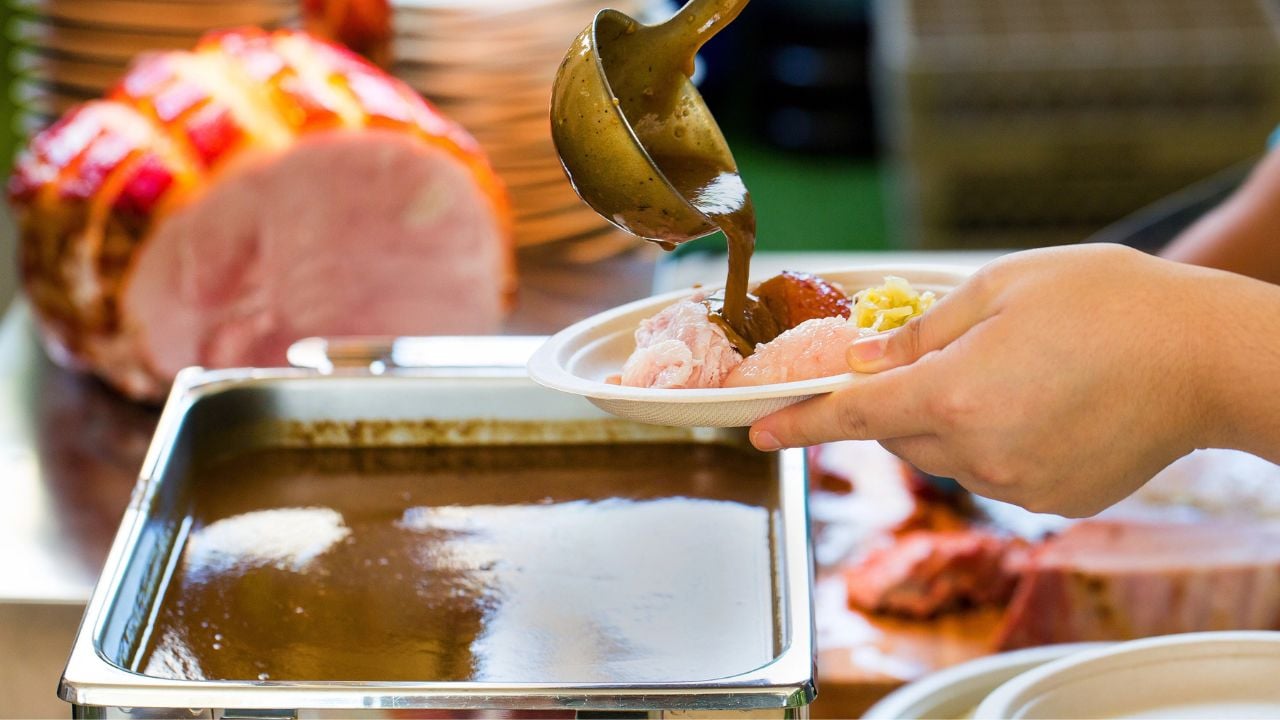
If there’s a chef standing there ready to customize your plate, take advantage of it.
Skipping those stations and sticking only to pre-set trays is a missed opportunity.
Not Leaving Room for What You Actually Love
Buffets are full of distractions.
You might pile up items that look interesting and then realize you’re too full for the one thing you were most excited about.
If prime rib is your favorite, plan around it.
If sushi is your thing, prioritize it.
Don’t crowd out your highlights with filler.
Mixing Too Many Flavors at Once
Jumping from spicy curry to sweet barbecue to garlic shrimp to chocolate mousse in rapid succession confuses your palate.
Your taste buds need a reset between bold flavors.
Group similar items together. Finish one type of cuisine before moving on.
You’ll enjoy everything more.
Ignoring Timing
Buffets have rhythms.
Right after a major rush, food may have been sitting longer. During steady turnover, dishes are refreshed more often.
If you can, go during a busy but controlled window when food is moving quickly and being replaced often.
Timing can influence freshness more than you realize.
Leaving Feeling Miserable
Arguably, the biggest buffet mistake people make is walking out uncomfortable.
Buffets should end with satisfaction, not regret.
The goal is to enjoy variety, explore flavors, and try something new, not to test your physical limits.
Slow down. Look around. Choose wisely.
Just because you can eat everything doesn’t mean you should.
24 Items That Have Alarmingly High Levels of Microplastics

You can’t see, smell, or taste microplastics. But research reveals they’re showing up in our everyday lives.
Here are 24 common items where microplastics hide and why you need to pay attention.
24 Items That Have Alarmingly High Levels of Microplastics
11 Poor Hygiene Habits Americans Don’t Know They Have

Americans believe in cleanliness, but we may not be as hygienic as we think. These eleven habits reveal where many Americans fail in the hygiene department.
