
15 Things Floridians Do the Second the Snowbirds Leave

A gate agent at Southwest Florida International Airport calls the last boarding group for a flight to Detroit, and half the waiting area empties out.
Meanwhile, locals take a collective sigh of relief.
These are the things Floridians do the second snowbirds leave.
1. Booking a Same-Day Doctor’s Visit
West Florida Healthcare in Pensacola watches its patient traffic swell every winter.
It runs about a 10% increase, year after year.
Dentists notice the same thing.
Couldn’t land a dermatology appointment in March?
By June, you can often get an appointment for Thursday.
The waiting room empties out along with the calendar.
2. Walking Onto an Open Pickleball Court
Naples Pickleball Center runs 64 courts, and locals still call it the Pickleball Capital of the World.
From November through March, 300 to 400 people show up to play in a single day.
That’s a crowd.
Once snowbirds pack up, daily turnout drops closer to 100 or 200, and a regular can walk straight onto an open court instead of waiting behind a row of paddles leaning against the fence.
3. Getting a Table Without the Wait
Mount Dora runs on snowbird money every winter, and its shop owners feel the shift first.
The on-season for the Spice and Tea Exchange runs October through March, its manager told Spectrum News.
Restaurants along the same streets ride the identical curve.
A packed dinner rush in February turns into a table on arrival by June.
Locals notice.
4. Grabbing a Cheaper Tee Time
Golf turns into a different game in Florida once snowbirds clear out.
Tee sheets open up first.
Off-season discounts also cut green fees by 30% to 50% at many public courses.
June through August brings the lowest prices and the emptiest courses of the year, and an early tee time beats the worst of the afternoon heat.
5. Backing a Trailer Down the Ramp
Boat ramps swap one seasonal crowd for another every spring.
Bayview Park in Naples has room for about 30 trailers, and it fills up fast, especially in winter.
Every last space.
With the winter crowd gone, a weekday launch stops requiring a scouting trip for parking, and the ramp clears out by midmorning instead of staying jammed past lunch.
6. Renting a Cheaper Slip
Marina slips empty out the same way boat ramps do.
At Sunset Marina in Key West, a single transient week on a 30-foot dock runs $700.
A full month on a long-term lease costs $1,335.
That’s real money saved.
Winter waiting lists for a slip thin out fast once snowbirds haul their boats north, and a marina that turned boaters away in February suddenly has room to negotiate.
7. Hiring the Home Watch Crew
An entire industry exists just for the houses snowbirds leave behind.
Home watch companies walk through vacant properties every week, checking the air conditioning, the water heater, and the roof for storm damage.
That’s a long list.
They watch for humidity and pests, too.
A neighbor who used to wave at a snowbird’s family every Christmas now waves at a stranger with a clipboard, walking the same driveway every Tuesday.
8. Green-Lighting the Big Renovation
Contractors wait all year for snowbirds to leave.
Doug Stoll of Darling Construction in Vero Beach says many condo developments restrict interior work to May through October.
That’s the whole point.
With the owners gone north for the summer, crews can rip out a kitchen or gut a bathroom without anyone stepping around a dropcloth, and most jobs wrap up well before Thanksgiving.
Psst! How much do you know about Florida’s snowbird history? Take our quiz and see how many you can get right.
Quiz
Florida Snowbird Trivia
Answer these questions on snowbird history and Florida’s seasonal swings. We bet you can’t get them all right. Prove us wrong?
Which 1970 hit song gave the word “snowbird” its place in pop culture, decades before it meant a winter visitor to Florida?
9. Chasing Down HOA Proxies
Homeowners association (HOA) boards in Naples and Fort Myers spend summer chasing signatures, not solving complaints.
No quorum, no vote.
Attorney Michael Chapnick, who has represented hundreds of associations across South Florida, says those two cities carry some of the state's highest shares of seasonal residents.
Condo boards mail out proxies and lean on email ballots to hit the numbers, since a hurricane season vote can't wait for owners to fly back from Ohio or Ontario.
10. Shrinking the Mahjong Table
Clubhouse card rooms empty out at the same pace as the parking lot.
Mahjong tables that ran several games at once all winter shrink down to a single regular group by June.
Same players, smaller room.
The players who show up in July never left in the first place, and they'll tell you the game slows down without a full house arguing over every discard.
11. Handing Young Actors the Stage
Community theaters lose their snowbird ticket-buyers and gain a new cast instead.
The Naples Players fill their summer calendar with camps and teen productions once returning college students and local kids take over, Florida Weekly reports.
The seats don't stay empty.
A theater that staged big winter musicals for tourists spends summer training the performers who will fill next season's cast, which is its own kind of show.
12. Combining the Sunday Service
Pastors feel snowbird season end before anyone else does.
Congregations in southwest Florida can see attendance drop more than 20% once winter visitors head home, according to a survey of pastors.
Every pew shows it.
Some congregations combine their morning services rather than run a nearly empty second service, and the choir often shrinks to whoever didn't book a July vacation.
13. Shorter Lines at the Airport
Southwest Florida International Airport keeps its own record of the exodus.
March 2026 was the busiest month in the airport's 43-year history, with more than 1.5 million passengers.
Monthly traffic drops off fast once spring ends, easing the crush at the gates.
That's the difference.
Security lines shrink along with it, and a Floridian flying out in June clears the checkpoint in the time it once took to reach the back of the line.
14. Switching the Condo to Summer Rent
Snowbird season ends, and a condo's whole business model changes with it.
Some Naples owners run their unit as a weekly vacation rental from January through April, then switch it to a six-month furnished lease for summer.
New renter, same address.
A snowbird's winter view turns into a traveling nurse's temporary address or a family riding out a home renovation, and the building barely slows down between one renter and the next.
15. Cutting Back Shop Hours
Small shops in tourist towns feel the exodus before summer officially starts.
The Mount Dora Area Chamber of Commerce pushes its members toward online sales and shop-local promotions once the winter crowd thins, since rent doesn't drop just because foot traffic does.
The bills stay the same.
Some boutiques trim a weekday or two off their schedule, and the owners spend the slower months restocking shelves and planning next winter's window displays instead of running the register nonstop.
10 Old Florida Traditions Newcomers Have Never, Ever Heard Of
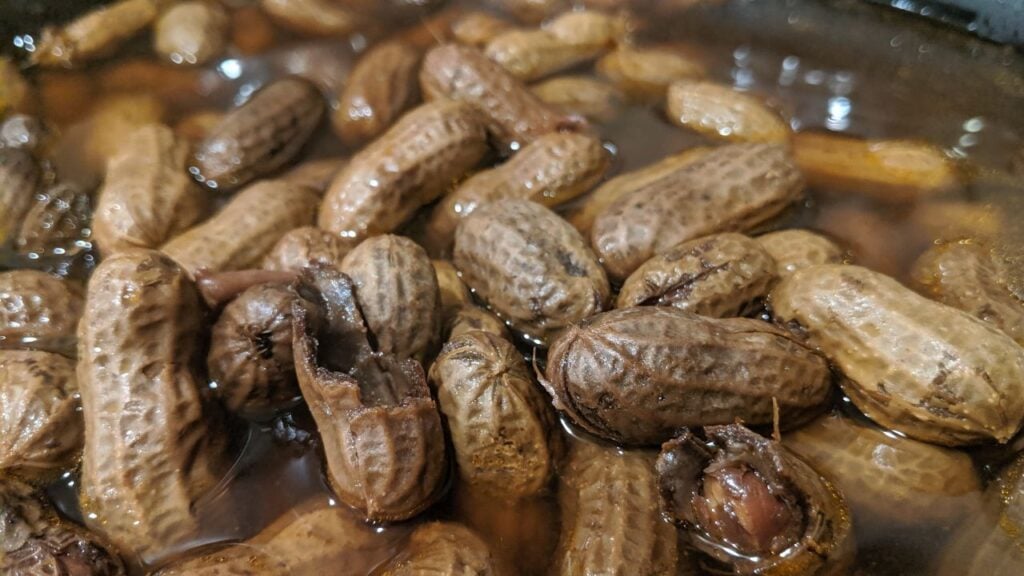
On the sixth of January, a teenage boy waits on a boat in a Tarpon Springs bayou for a priest to throw a white cross into the cold water.
When it hits, he dives, and a dozen other boys dive in right behind him, chasing a tradition most newcomers have never once heard of.
10 Old Florida Traditions Newcomers Have Never, Ever Heard Of
10 Gulf Coast Cities Where the Sea Level Is Rising Fastest. Half Are in Florida
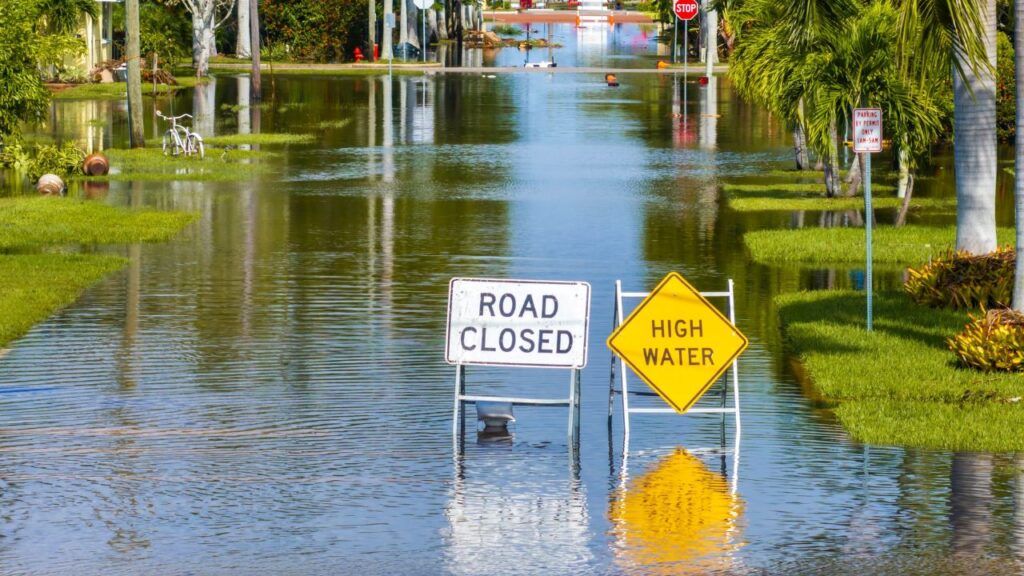
Map out the fastest-rising stretches of American coastline, and a surprising number of them curve around the Gulf of Mexico.
That's only half the problem, since the ground under some of these cities is sinking while the water keeps rising around them.
10 Gulf Coast Cities Where the Sea Level Is Rising Fastest. Half Are in Florida
