
20 Animal Myths That Refuse to Die No Matter How Many Times Scientists Explain Them to Pennsylvanians

Somewhere between “bats are blind” and “goldfish forget everything,” Pennsylvanians and Americans across the country have collectively decided that science is optional.
Experts have debunked many of these myths for decades, but they just keep crawling, slithering, and hopping back into everyday conversations.
So before you repeat that “fun fact” at your next cookout, here are the animal legends that scientists are tired of explaining.
Touching a Toad Gives You Warts
If that were true, every kid who grew up in Florida would still be covered in bumps. The truth? Warts are caused by human viruses, not amphibians.
Toads do have bumpy skin, but those glands release toxins, not warts.
The confusion probably started because both involve bumps, and humans have an affinity for connecting dots that don’t exist.
So feel free to move a toad out of your driveway; just wash your hands afterward. Not because you’ll get warts, but because nature’s hand sanitizer isn’t included.
Also, most toads look like they’re judging you for believing that myth, which feels worse than any wart.
Ostriches Bury Their Heads in the Sand
If they did, they’d suffocate before they could finish hiding. Ostriches don’t bury their heads. They lower them to the ground to check on their eggs or eat.
From a distance, their necks blend with the sand, giving the illusion they’re hiding.
It’s like when you duck behind your grocery cart at Target, hoping to avoid someone from high school.
This myth’s been around since Roman times, proving that fake news existed long before Facebook.
Ostriches, in reality, are confident enough to kick a lion. Hiding’s not really their thing.
Bats Are Blind
People love to repeat “blind as a bat,” but it’s about as accurate as saying “quiet as a toddler.” Bats actually have excellent eyesight. Some even see better than humans in low light.
They also rely on echolocation, sending out sound waves that bounce off nearby objects to create a sort of audio map. Think of it as the bat version of Google Maps, only way more efficient.
Scientists have known this for decades, but the myth keeps flapping along because, well, “blind bat” just sounds catchier.
Next time someone says it, remind them bats could probably spot their lost sunglasses faster than they could.
Lemmings Commit Mass Suicide
Disney accidentally helped cement this one back in the 1950s by staging lemmings jumping off cliffs for a documentary. Spoiler: the rodents were pushed.
In real life, lemmings migrate in large groups, and sometimes they fall off ledges by accident, but it’s not coordinated self-destruction.
Scientists have been clarifying this for years, but Americans love a dramatic story, especially if it involves tiny, fuzzy creatures with existential crises.
So no, lemmings aren’t emo hamsters. They’re just victims of old Hollywood editing.
Goldfish Have a Three-Second Memory
If goldfish truly forgot everything after three seconds, your pet would never recognize you or know when it’s feeding time. But it does.
Studies show goldfish can remember things for months, even distinguishing different shapes and colors. They’ve been trained to push levers, swim mazes, and even identify classical music.
Basically, they’d ace a standardized test before your Wi-Fi finishes connecting.
So give your goldfish some credit. It’s got a better memory than half of us before coffee.
Dogs See Only in Black and White
It’s a nice idea, imagining dogs viewing the world like an old movie, but it’s wrong. Dogs see color, just not as vividly as humans.
Their vision is like someone turned the saturation down. Blues and yellows pop, reds and greens look muted. Think of it as Instagram’s “vintage filter,” but built into their eyeballs.
Scientists discovered this decades ago, yet the myth persists, probably because it makes for good trivia.
Next time you toss a blue tennis ball, remember: your dog’s not colorblind, just aesthetically minimal.
Cats Always Land on Their Feet
Cats are agile, sure, but physics still applies. The “righting reflex” helps them twist midair, but from high enough, that trick doesn’t always save them.
Veterinarians in cities like New York actually have a name for it: “high-rise syndrome.” It’s what happens when cats fall from tall buildings, often trying to chase pigeons that definitely know better.
So yes, they’re acrobatic, but not magical. Gravity still wins.
Next time you see a viral cat video, remember that nine lives isn’t a scientifically verified number.
Porcupines Can Shoot Their Quills
They can’t. They’re not tiny archers.
Porcupines’ quills are loosely attached and come out when touched, but they can’t launch them like darts.
The myth likely spread because people saw quills lodged in predators and assumed they were fired.
In truth, the quills detach through contact, and sometimes even vibrate to warn attackers. It’s nature’s way of saying, “Don’t even think about it.”
Basically, porcupines rely on passive-aggressive defense, not ranged combat.
Elephants Are Afraid of Mice
It’s an adorable visual, but science says no. Elephants might react to sudden movement, like any large animal would, but they don’t have a specific mouse phobia.
What really startles them are bees. In fact, farmers in Africa use beehives as natural elephant fences.
So if Dumbo ever flinched, it was probably a buzzing sound, not a mouse cameo.
Sorry, Disney, you made it cute, but not correct.
Camels Store Water in Their Humps
If that were true, camels would slosh when they walk. Their humps actually store fat, which they metabolize into energy.
They do go long periods without water thanks to special red blood cells that handle dehydration like pros.
This myth stuck because the visual is so satisfying, like a built-in water bottle. But science says the real trick’s in their biology, not their storage system.
Basically, camels are the SUVs of the animal world: efficient, durable, and full of hidden features.
Owls Are the Wisest Animals
Owls look wise. Big eyes, calm demeanor, slow blinks, it’s all very “professor in a cardigan.” But intelligence? Mixed reviews.
They’re skilled hunters, but not exactly brainiacs compared to crows or ravens. Those birds solve puzzles, use tools, and even recognize faces.
Owls, on the other hand, rely on instinct and stealth. Their real genius is in being silent, not scholarly.
If they were students, crows would ace the test; owls would ace the vibe.
Sharks Can Smell a Drop of Blood Miles Away
This one’s a stretch. Sharks have strong senses, but not superhero-level sniffers.
They can detect small concentrations of blood, but only within a few hundred feet, depending on water conditions. Miles? Not even close.
The myth probably grew from Jaws-era panic and the fact that sharks look like nature’s perfect villains.
Reality: they’re more selective than sensational. If you’re bleeding from a paper cut at the beach, they’re not interested.
Daddy Longlegs Are the Most Poisonous Spiders
The classic playground myth says their venom is deadly but their fangs are too small to pierce human skin.
Cute story, but it’s completely false.
For one, “daddy longlegs” usually refers to harvestmen, which aren’t spiders and don’t even have venom glands.
Even the true spider version poses zero threat to humans.
So no, they’re not secret assassins. Just lanky bugs living rent-free in your garage.
Bulls Hate the Color Red
Bulls don’t see red the way humans do. They’re reacting to movement, not color.
The matador’s red cape, or muleta, could be blue or green and the bull would charge just the same. Red was chosen for showmanship, and maybe to hide the blood from a gory tradition.
Scientists have studied bull vision extensively, and surprise: they’re color-impaired, not color-obsessed.
The real trigger is motion, not fashion.
Chameleons Change Color to Blend Into Anything
Chameleons don’t mimic plaid shirts or leopard print wallpaper. Their color changes reflect mood, temperature, and light, not to camouflage everything.
They do use color to blend with surroundings sometimes, but mostly it’s communication.
A stressed chameleon might darken, while a calm one goes pastel. It’s mood ring energy, just with scales.
So, no, your chameleon isn’t matching your couch. It’s probably just annoyed you’re watching it again.
Bees Die After Every Sting
Only honeybees die after stinging humans because their barbed stingers get stuck in our skin. Other bees, like bumblebees, can sting multiple times.
The myth likely persists because honeybees are the most recognizable. But the bee world is more complex than one tragic headline.
Wasp stings? Unlimited. Hornets? Same deal.
So the next time you flinch, remember: not all bees go out in a blaze of glory.
Snakes Chase Humans
Snakes don’t chase people. They escape them. What feels like “being chased” is often a startled snake fleeing in the same direction.
They’d rather save energy than pick fights. Scientists have logged this repeatedly, yet the myth slithers on.
Partly because fear sells. A calm snake retreating doesn’t make great campfire storytelling.
But if one does seem persistent, check the terrain. You might just be blocking its exit.
Cows Lie Down Before It Rains
People swear this one’s true because they’ve “seen it happen.” But cows lie down for dozens of reasons, like comfort, digestion, and shade, not barometric pressure.
Researchers found zero connection between cow posture and weather. It’s a coincidence, not meteorology.
Still, it’s charming to think of cows as little barnyard weathermen.
Just don’t plan your picnic around their posture.
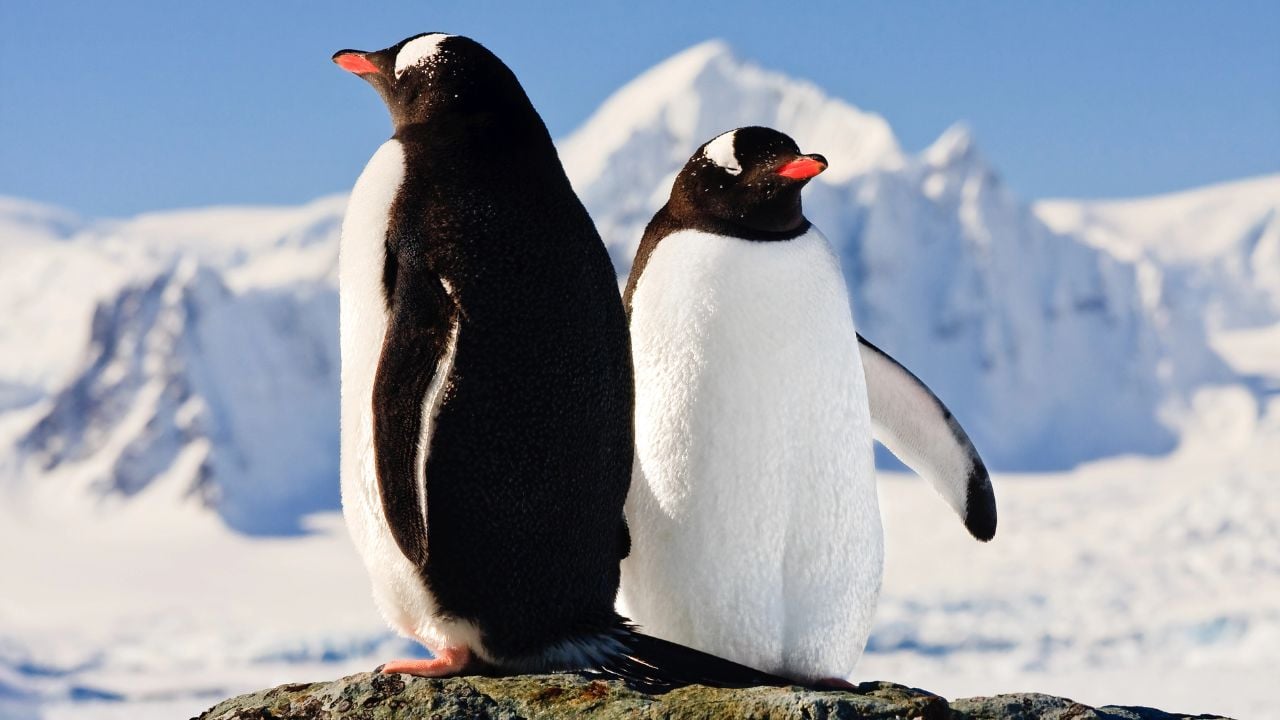
Penguins Mate for Life
It’s true for some pairs, but not a universal rule. Many penguin species switch partners between seasons or when nesting sites change.
They’re loyal within a breeding cycle but practical about logistics. Love, but with boundaries.
The myth stuck because it fits our Hallmark expectations of romance in tuxedos.
In reality, penguins are more like serial monogamists with great coordination.
Humans Swallow Eight Spiders a Year in Their Sleep
It’s the internet’s favorite horror myth, and it’s completely false.
Spiders avoid humans, not seek them out. They’re sensitive to vibrations, and snoring sounds like a threat, not an invitation.
The statistic came from a joke article that spiraled into legend.
Scientists have debunked it for decades, but people still tell it at sleepovers.
24 Items That Have Alarmingly High Levels of Microplastics

You can’t see, smell, or taste microplastics. But research reveals they’re showing up in our everyday lives.
Here are 24 common items where microplastics hide and why you need to pay attention.
24 Items That Have Alarmingly High Levels of Microplastics
Remember When Everything Had Color? These 18 Things Definitely Did

There was a time when even the most ordinary things were bursting with color.
But now?
We’ve swapped charm for minimalism, and for some reason, we all agreed to pretend it’s better. Here are some everyday things that used to be colorful but aren’t anymore.
Remember When Everything Had Color? These 18 Things Definitely Did
What Decade Were You Really Meant For?
Whether you’re dreaming of bell-bottoms or soda fountains, our Decade DNA Quiz will match you with the decade that fits your personality. No work deadlines here, just a fun escape when you need it most.
Meet Your Match. Discover Your Decade DNA. (Your Vintage Roots Are Showing)

