
22 Shopping “Deals” in California That Are Secretly Designed to Waste Your Hard-Earned Money

Californians love the feeling of getting more for less. But some retail discounts are pure marketing magic.
By carefully framing prices, bundling items, or setting time limits, stores push you to spend more.
The good news? Once you spot these tricks, such “deals” become easier to resist.
Buy One, Get One “Free” That Isn’t Really Free
These promotions often require you to buy an item at full price to get the second one “free.”
In many cases, the original price has already been inflated to cover the cost of the extra product.
You might also end up buying more than you need just to qualify for the deal.
It can be better to compare individual unit prices instead of assuming the offer is a bargain.
Clearance Items That Never Really Drop in Price
Some stores move items to the clearance rack without significantly lowering the price.
Shoppers often assume the term “clearance” means steep savings, when it might only be a small markdown.
Products can even sit in clearance for months with little to no change in price.
Checking the original price and doing a quick online search can reveal whether the markdown is worth it.
“Limited Time Only” Sales That Repeat Constantly
Retailers often create urgency by claiming a discount is available for a short time.
In reality, the same sale might return every few weeks.
This trick pushes customers to make quick buying decisions without comparing prices.
If you track store patterns, you may find the same promotion appears regularly.
Bundle Deals That Add Unnecessary Items
Bundles may include a useful product alongside things you would never buy otherwise.
The combined price can seem like a deal, but only if you actually need everything included.
Retailers use this tactic to move slow-selling items by pairing them with popular ones.
You could save more by purchasing only the item you wanted in the first place.
“Special” Multi-Pack Pricing That Costs More Per Unit
Multi-packs are marketed as a better value, but the math doesn’t always work out.
Sometimes, the per-unit price is higher than if you bought the items individually.
This is especially common with packaged snacks, drinks, and toiletries.
Always check the shelf label for the price per ounce, pound, or piece before deciding.
Mail-In Rebates That Never Get Claimed
Rebates sound like easy money back, but they depend on customers actually submitting the forms.
Many people forget to send in the required paperwork or miss the deadline.
Some rebates require multiple steps, making it easy to give up before finishing.
Stores know this and use it to advertise a lower “after rebate” price that most people won’t get.
“Spend More to Save More” Promotions
These deals offer a discount only if you spend a certain amount.
Shoppers may add extra items to their cart to meet the spending threshold.
In the end, they often pay more than planned just to qualify for the discount.
It can be smarter to stick to your original shopping list and skip the extra spending.
Flash Sales That Hide the True Value
Flash sales create urgency by offering deep discounts for a very short period.
However, the starting price may have been marked up before the sale began.
This makes the discount look larger than it really is.
Checking historical prices online can help you see whether the offer is truly worth it.
“Exclusive” Member-Only Discounts That Aren’t Exclusive
Stores often promote sales as exclusive to loyalty program members.
In many cases, the same prices are available to all customers at certain times.
Membership requirements can also encourage more frequent shopping, which boosts store revenue.
It’s worth comparing prices on the same items without the membership to see if it’s truly a perk.
Price Matching With Hidden Restrictions
Price matching sounds like a great way to get the lowest price, but it often comes with fine print.
Some stores limit eligible competitors or exclude online-only deals.
Others require proof that can be inconvenient to provide on the spot.
Read the full policy before assuming you’ll get the lower price to save frustration.
“Up to” Discounts That Highlight the Best Case Only
When a store says “up to 70% off,” only a small number of items may be marked that high.
The rest of the products might be discounted far less, sometimes barely at all.
The big number grabs attention and lures shoppers into the store.
Looking closely at the actual price tags reveals the real savings.
Free Gift With Purchase That Raises the Price
A free gift can sound like a bonus. But the price of the main item may be inflated to cover it.
In other cases, the gift might be an overstocked item the store is trying to clear out.
The added product can also tempt you to buy something you weren’t planning to get.
Ask yourself whether you would still buy the main item without the “free” gift.
Seasonal Sales That Start at Full Price
Some items are marked as part of a seasonal sale even though they haven’t been discounted.
Retailers use signage to create the perception of savings without changing the price tag.
This is common with holiday-themed décor, clothing, and accessories.
Checking previous price listings or online comparisons can reveal whether the “sale” is genuine.
Outlet Store Pricing That Isn’t a Real Bargain
Many outlet stores stock items made specifically for outlet locations rather than leftover retail stock.
These products may use lower-quality materials or simplified designs to cut costs.
While they carry brand names, they’re not always the same quality as full-price items.
Comparing the craftsmanship and materials can help determine if you’re getting value.
Gift Card Bonuses That Encourage Overspending
Some promotions offer a free gift card when you spend a certain amount.
While it feels like a reward, it often pushes customers to spend more upfront.
The gift card may also expire quickly or require another purchase to use.
If you weren’t planning to spend that much, the “bonus” can end up costing you.
Pre-Sale Markups That Inflate Discounts
Before big sale events, some stores quietly raise the price of popular items.
When the sale begins, they mark the item down from the inflated price, creating the illusion of major savings.
This tactic is especially common during holiday shopping seasons.
Tracking prices in advance can help you spot when the deal is exaggerated.
Subscription Discounts That Are Hard to Cancel
Some stores offer a discount if you sign up for an auto-delivery program.
While the first order might be cheaper, the recurring charges can quickly add up.
Cancellation processes are sometimes made deliberately time-consuming or confusing.
It’s important to weigh the short-term savings against the long-term commitment.
“Free” Shipping With a Minimum Spend
Online retailers often set a spending threshold to qualify for free shipping.
Shoppers may add extra items to their cart just to meet the requirement.
These unplanned purchases can erase any actual savings from the shipping discount.
Checking shipping costs versus added product prices can help avoid overspending.
Doorbuster Deals That Sell Out Instantly
Doorbusters are designed to attract large crowds with a very limited number of discounted items.
Once those few products are gone, shoppers often buy other full-priced items instead.
This tactic works because people feel committed after making the trip.
Arriving early doesn’t always guarantee access to the advertised deal.
In-Store Coupons That Expire Quickly
Some stores print coupons on receipts with extremely short expiration windows.
This encourages customers to return soon and shop again before the deadline.
If you wouldn’t have made another trip otherwise, the coupon is doing its job for the store.
It’s worth asking yourself whether the return trip is truly worth it.
Clearance Sections Filled With Full-Priced Items
Some clearance racks or bins include products that aren’t actually marked down.
The “clearance” sign draws shoppers in, assuming everything is a bargain.
You might end up buying items at regular price simply because they are grouped with discounted goods.
Always check the price tag instead of relying on signage alone.
Limited-Time Bundles That Reduce Quality
Stores sometimes package multiple products together for a “special” price.
In some cases, the bundled versions are smaller, lower quality, or missing features compared to buying them separately.
This makes the bundle look like a deal while quietly lowering its value.
Comparing specs and sizes before buying can reveal whether the bundle is worth it.
20 Nostalgic Things Americans Could Buy for Under $1 Back in the Day
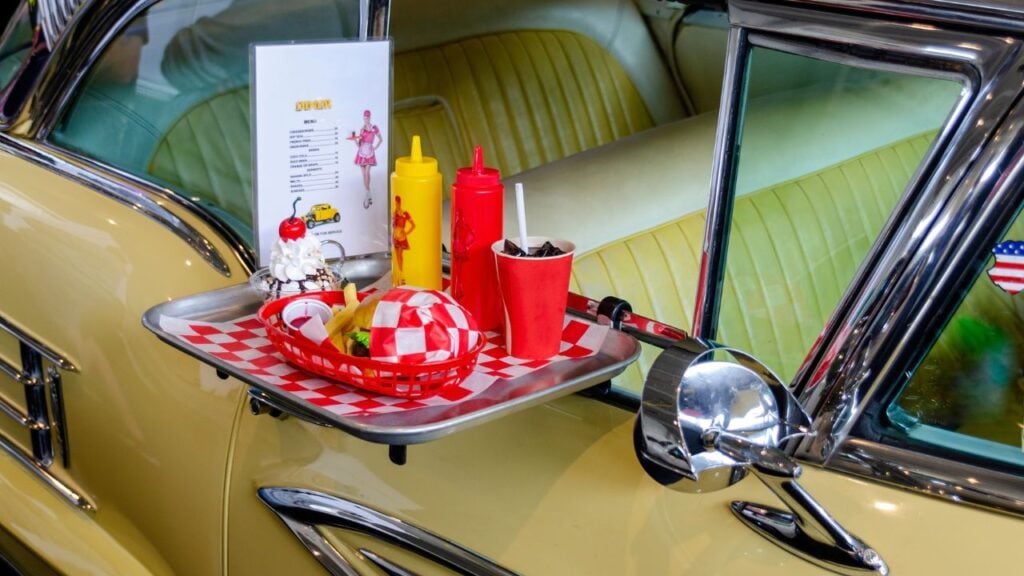
It’s hard to believe now, but there was a time when $1 could buy something meaningful.
Let’s take a trip back to the days when Americans’ pockets didn’t need much cash to bring home something fun, useful, or just plain delicious.
20 Nostalgic Things Americans Could Buy for Under $1 Back in the Day
Remember When Everything Had Color? These 18 Things Definitely Did
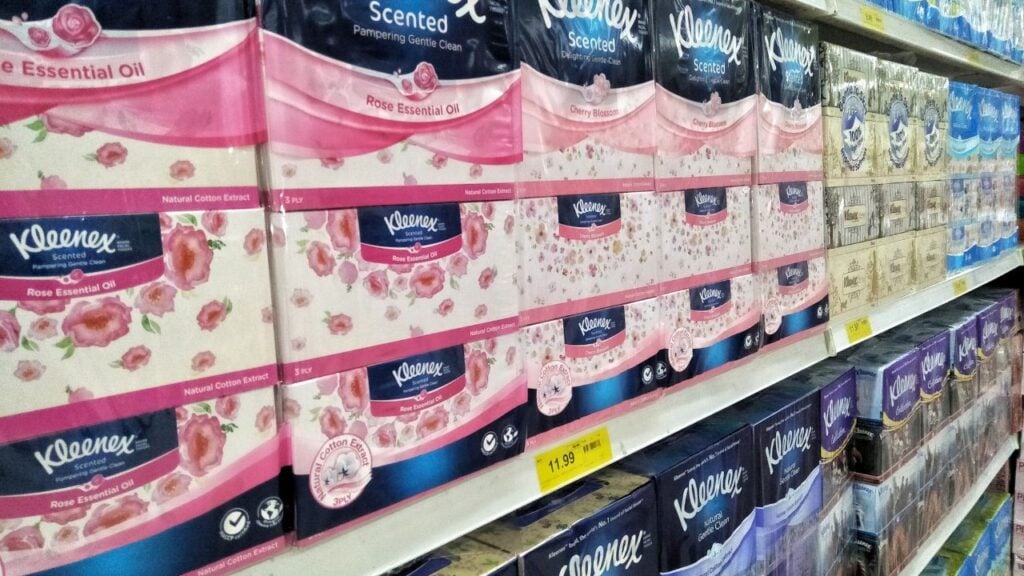
There was a time when even the most ordinary things were bursting with color.
But now?
We’ve swapped charm for minimalism, and for some reason, we all agreed to pretend it’s better. Here are some everyday things that used to be colorful but aren’t anymore.
Remember When Everything Had Color? These 18 Things Definitely Did
What Decade Were You Really Meant For?
Whether you’re dreaming of bell-bottoms or soda fountains, our Decade DNA Quiz will match you with the decade that fits your personality. No work deadlines here, just a fun escape when you need it most.
Meet Your Match. Discover Your Decade DNA. (Your Vintage Roots Are Showing)