

26 Common Health Tips California Doctors Secretly Wish Would Disappear

Many people love a good health hack, even when it makes zero medical sense. And doctors are tired of it.
From juice cleanses to “don’t eat after 7 p.m.” rules, bad advice seemingly spreads faster than the flu.
Here are the so-called health tips Californian doctors wish would disappear for good.
“Drink eight glasses of water a day.”
This one refuses to die, despite decades of doctors trying to bury it.
The “eight glasses” rule came from a 1940s guess, not an actual medical study. Your hydration needs depend on your size, diet, and environment.
Doctors would rather people drink when they’re thirsty instead of stressing about filling eight identical water bottles every day.
Also, coffee and tea count. So does soup. Your kidneys don’t care where the water comes from, just that you give them some.
“Detox with juice cleanses.”
Every January, doctors brace themselves for the great juice cleanse surge. They know what’s coming: patients sipping $9 kale blends, convinced their bodies are filled with mysterious “toxins.”
Here’s the truth: if your organs weren’t detoxing, you wouldn’t need a cleanse. You’d need an ambulance.
Your liver and kidneys already handle that job 24/7 without your blender’s help.
Many juice cleanses just cut out fiber, leaving you tired, hungry, and cranky.
“Skip breakfast to lose weight.”
Intermittent fasting has its place, but skipping breakfast isn’t automatically the secret to health.
For some, it helps control hunger. For others, it backfires into late-night snacking and regret-filled pizza.
Doctors know metabolism isn’t that simple. What matters more is total calories and food quality, not whether you eat eggs at 8 a.m. or 11 a.m.
The only universal rule?
Coffee doesn’t count as breakfast. Even if it’s oat-milk, foam art, or blessed by your barista.
“Take vitamin C to cure a cold.”
Doctors have heard this one since the days of orange juice commercials. Vitamin C supports immunity, yes, but it doesn’t chase viruses out like a superhero.
Once you’ve caught a cold, it’s too late for megadoses of citrus.
Your body just flushes out what it doesn’t use, one expensive bathroom trip at a time.
Doctors recommend balanced nutrition year-round, not panic-chugging OJ the moment someone sneezes nearby.
“Don’t eat after 7 p.m.”
The human digestive system didn’t come with a curfew. Doctors cringe every time they hear people whisper this rule like it’s sacred.
What matters is total intake, not timing.
Eating a balanced snack before bed won’t “turn into fat” at the stroke of seven. But polishing off a leftover pizza and three sodas?
That might.
If late-night hunger hits, it’s fine to grab a yogurt or some almonds. Just maybe skip the nachos.
“You must get 10,000 steps a day.”
Doctors love it when people move more, but they wish this rule would retire already.
The 10,000-step goal was invented by a 1960s Japanese pedometer company. It’s marketing, not medicine.
Movement of any kind counts: walking the dog, gardening, dancing in the kitchen, or running after toddlers. You don’t need a perfect number to be healthy.
Doctors care more about consistency than your Fitbit streak. And yes, pacing while waiting for your microwave to finish still counts.
“You can sweat out toxins.”
This one makes doctors groan out loud. Sweat helps cool your body, not “flush” anything out.
You can’t sweat out last night’s fries, and certainly not your bad decisions.
Saunas can help you relax, but they’re not magic detox chambers. Your liver and kidneys are the real MVPs here.
Doctors wish people would stop treating sweat like an exorcism for their bloodstream. It’s just sweat.
“Go gluten-free, it’s healthier.”
For people with celiac disease or gluten sensitivity, avoiding gluten is vital. But for everyone else?
It’s mostly a marketing trend that turned snacks into science experiments.
Gluten-free doesn’t mean “healthy.” Many substitutes are ultra-processed and stripped of nutrients. Doctors have seen too many patients trade whole-grain bread for sugar-packed rice crackers.
Unless you’ve been medically diagnosed, there’s no reason to fear wheat. Bread didn’t betray you. Bad advice did.
“If it’s natural, it’s safe.”
Doctors wish this myth would fade as fast as it spreads.
Nature produces lovely things like blueberries and waterfalls, and also arsenic and poison ivy.
Plenty of “natural” supplements can interfere with medications or stress your liver. Yet people keep buying mystery powders from influencers with ring lights and zero medical degrees.
Doctors prefer evidence over adjectives.
“Natural” doesn’t mean harmless. It just often means unregulated.
“Coconut oil cures everything.”
Coconut oil had its golden era as America’s favorite cure-all, from whitening teeth to reversing heart disease.
Doctors have been side-eyeing it ever since.
While it’s fine in moderation, it’s still packed with saturated fat. It doesn’t belong in every recipe, skincare routine, and life crisis.
Doctors would like people to remember that cooking oil isn’t medicine. Sometimes olive oil just does the job better.
“Carbs are the enemy.”
Doctors sigh every time another diet declares war on bread. Carbs are fuel, not villains. Your brain literally runs on glucose.
What matters is the kind of carbs you eat.
Whole grains, fruits, and vegetables are fine. But refined carbs like white bread and pastries?
Those deserve moderation.
Cutting carbs entirely may drop the scale fast, but it also drops your energy, mood, and patience with everyone around you.
“You need a daily multivitamin.”
It sounds smart, but most healthy adults don’t need a daily multivitamin. If your diet includes fruits, veggies, and protein, you’re likely covered.
Doctors see people spending money on pills they don’t need, turning urine neon yellow from excess B vitamins.
That’s not proof it’s working. That’s your body giving up the extras.
Supplements are for gaps, not guilt. Nutrition starts on your plate, not your shelf.
“If it hurts, push through it.”
Doctors want this one gone yesterday. Pain is not a test of character. It’s a warning sign.
Ignoring pain doesn’t make you stronger; it makes your future physical therapist wealthier.
The “no pain, no gain” mantra belongs in the same category as VHS workouts and low-fat cookies: outdated and misleading.
“Low-fat foods are always better.”
America’s fat-phobic era did real damage. Low-fat yogurt, low-fat cookies, low-fat everything… except satisfaction.
Doctors know healthy fats are essential for absorbing nutrients and regulating hormones.
When food companies removed fat, they replaced it with sugar and chemicals.
The result? More calories, less nutrition.
Doctors wish we’d stop fearing avocados and start fearing processed snacks instead.
“You have to stretch before every workout.”
Doctors aren’t against stretching. They just want people to do it correctly.
Static stretching (holding poses) before exercise can actually weaken muscles temporarily.
A better approach is dynamic movement: leg swings, arm circles, and light jogging. That wakes your body up without slowing it down.
Save the long stretches for afterward when your muscles are warm and grateful. It’s not complicated, just mistimed.
“More protein means more muscle.”
Protein is important, but not magical. You can’t just drink shakes and wake up built like The Rock.
Muscles grow when you challenge them with resistance and fuel them properly, not just when you chug powder.
Doctors wish people would eat balanced meals instead of thinking more protein equals more progress.
“Your BMI tells you if you’re healthy.”
Doctors have a complicated relationship with BMI. It was never meant to measure individual health; it’s a 19th-century population tool.
A muscular athlete and a sedentary person could share the same BMI and have completely different health profiles.
Doctors prefer real data: blood pressure, cholesterol, blood sugar, and energy levels.
BMI is just one outdated clue, not the whole picture.
“You only need sunscreen at the beach.”
Dermatologists everywhere groan when they hear this.
UV rays don’t wait for summer. They bounce off windows, clouds, and even snow.
Doctors wish people treated sunscreen like toothpaste, an everyday habit. One application before errands, walks, or even driving can prevent long-term skin damage.
The sun doesn’t care about your calendar. Protect your skin like it’s the only one you have, because it is.
“Cold weather makes you sick.”
Every winter, doctors face a wave of sniffly patients blaming “the cold.” But it’s not the temperature, it’s the crowding.
Viruses spread in enclosed spaces where people breathe the same recycled air.
That’s why cold season hits hardest when everyone’s indoors.
Bundle up if you want, but don’t blame the thermometer. Blame that coworker who came to work coughing.
“You need to ‘boost’ your immune system.”
Doctors secretly flinch at the word “boost.” The immune system isn’t a speaker you can turn up.
An overactive immune system leads to autoimmune issues, not superpowers.
The real key is steady support through sleep, nutrition, and stress control.
Less boosting, more balance. That’s the advice they wish would finally stick.
“All stress is bad.”
Doctors don’t want stress demonized; they just want it managed.
Short-term stress can motivate you. Chronic stress wrecks you.
The goal isn’t to eliminate all pressure but to keep it in check. Take breaks, breathe, and don’t let your email app run your blood pressure.
Doctors aren’t asking for zen perfection, just fewer meltdowns over minor inconveniences.
“You can spot-reduce fat.”
If this were true, gyms would be full of people with six-pack abs and near-zero body fat.
Sadly, biology doesn’t work like that.
Doctors have explained it countless times: fat burns systemically, not locally. Crunches strengthen muscles under the fat but won’t melt it off.
Still, every January, someone asks. And every January, doctors sigh and point to reality.
“Your metabolism dies at 30.”
Doctors hate this myth because it makes people give up too soon. Metabolism slows gradually with age, but not dramatically.
The real culprit is usually muscle loss and lifestyle changes.
Stay active, and your “slow” metabolism won’t stand a chance.
Thirty isn’t the end. It’s just a reminder to keep moving.
“If you’re thin, you’re healthy.”
Doctors wish this myth would disappear permanently. Thinness isn’t a diagnosis, and health isn’t a size.
Plenty of slim people have poor diets, high cholesterol, or low energy. And plenty of larger-bodied people are strong and active.
Doctors want the conversation to shift from weight to wellness.
The scale doesn’t necessarily measure habits.
“You need a cleanse after the holidays.”
Every January, social media fills up with “reset” talk. Detox teas, 3-day cleanses, and overpriced smoothies make a comeback.
Doctors cringe on cue.
You don’t need to “reset” your system after cookies and gravy. You need fiber, hydration, and forgiveness.
Doctors would like people to remember: your organs are self-cleaning. Let them do their job.
“Mental health isn’t physical health.”
Doctors wish this one never existed. The brain is part of the body; it’s not a separate project.
Anxiety, depression, and chronic stress impact sleep, appetite, heart health, and immune function.
Ignoring them doesn’t make them disappear.
Taking care of your mind is taking care of your body. And that’s one tip no doctor wants to see fade away.
24 Items That Have Alarmingly High Levels of Microplastics
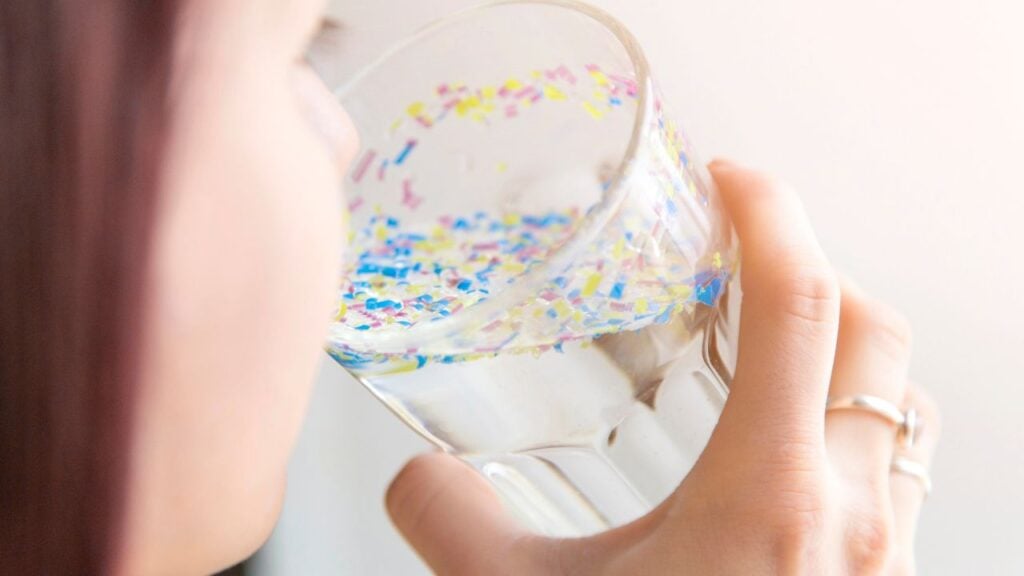
You can’t see, smell, or taste microplastics. But research reveals they’re showing up in our everyday lives.
Here are 24 common items where microplastics hide and why you need to pay attention.
24 Items That Have Alarmingly High Levels of Microplastics
17 Decor Items That’ll Make Your Home Look Cheap

No one wants to hear their home looks cheap. But sometimes, a cheap-looking home doesn’t reflect what you spent on it. It reflects the decor you chose.
17 Decor Items That’ll Make Your Home Look Cheap
Think You Belong in a Different Decade?
From big bands to big hair, our playful Decade DNA Quiz reveals which classic American era fits your personality best. It’s fast, fun, and full of vintage flair.
Meet Your Match. Discover Your Decade DNA. (Your Vintage Roots Are Showing)

