
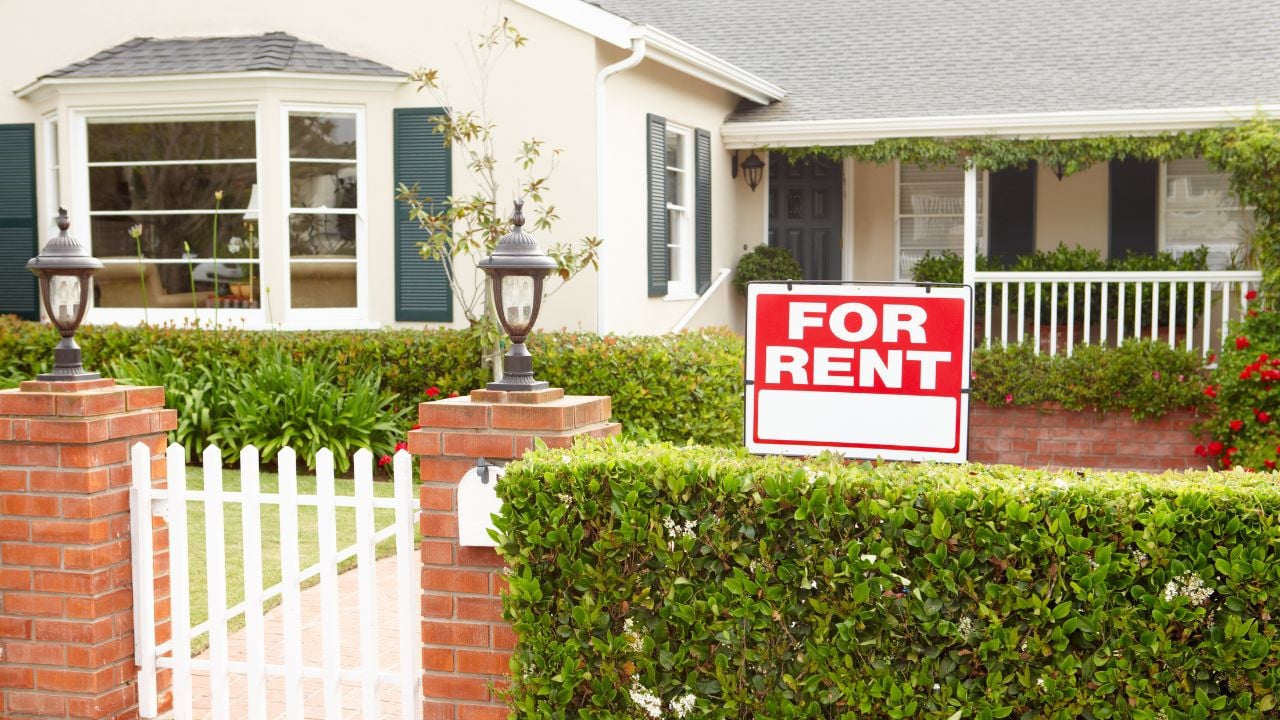
4 Permits and Rules a California City Can Demand Before You Rent Out a Room

A spare bedroom can look like an easy way to bring in extra money.
But in some California cities, renting it out can put you on the hook for rules you may not expect.
The catch is that there isn’t one statewide checklist that covers every room rental. Cities can add their own requirements once a guest becomes a tenant.
These are the permits and rules a California city can demand before you rent out a room.
Note: This is general information, not legal advice. Permit, registration, and tax rules for renting out a room vary by city and are subject to change.
1. Berkeley’s Safety Certification
Berkeley treats a rented bedroom the same as a rented apartment for one purpose: Safety paperwork.
Berkeley’s Rental Housing Safety Program folds a spare room into the same category as a full unit for rent.
Berkeley’s municipal code defines a Rental Unit as any dwelling or sleeping unit that’s rented or available for rent, and a bedroom fits that description.
No exceptions for roommates.
The program’s exemption list excuses only the portion of a home the property owner or their family occupies, not a room rented to somebody else.
Every year, the property owner has to either self-certify that the room clears basic safety items, smoke alarms among them, or ask the city to send an inspector instead.
Miss that step, and the requirement doesn’t disappear.
Berkeley can still schedule an inspection anyway, since the ordinance gives the city that option no matter what the owner files.
2. San Diego’s Rental Tax
San Diego demands its Rental Unit Business Tax the moment you rent out any part of your house, even if you still live there.
The tax reaches any home, or any part of a home, that’s advertised for rent more than six days a year.
A bedroom counts as part of a home.
The definition of what counts is broad.
That’s deliberate.
Homeowners who already carry a county property-tax exemption still owe San Diego’s rental tax the moment they rent out a room, the city’s tax office confirms.
The county break and the city tax settle two different questions.
One decides what you owe on your property. The other decides what you owe for renting part of it out, and San Diego collects that second bill regardless of the first.
3. Sacramento’s Tenant Protections
Sacramento’s rules on renting out a room change depending on one detail.
The city’s Tenant Protection Ordinance hands a room renter the same eviction and rent-increase protections as any other tenant, with one narrow exception.
The bathroom decides.
Sacramento exempts a rented room only when the tenant shares a bathroom or a kitchen with the property owner, per the ordinance’s exemption list.
Rent out a room with a private bath instead, and Sacramento’s full rulebook kicks in.
That means notice periods before a rent increase, a defined list of lawful reasons to end the tenancy, and the paperwork trail that goes with both.
4. Oakland’s Registration Rule
Oakland’s Rent Adjustment Program treats a rented room the same way it treats a rented apartment: Register it, or risk the consequences.
The program requires registration for units where an owner rents out rooms on an individual lease agreement for longer than 30 days.
Thirty days is the line.
That requirement holds even when the owner and the renter share a kitchen or a bathroom every morning.
Cross the 30-day mark, and Oakland expects a registration on file, whether the arrangement feels like a lease or just an understanding between roommates.
None of this has anything to do with adding a new unit to the property.
Oakland’s registration rule doesn’t touch that separate process at all.
A Rented Room Isn’t a Junior Accessory Dwelling Unit
California lets a homeowner build a Junior Accessory Dwelling Unit (JADU) inside an existing house, and it’s easy to mix that permit up with simply renting out a bedroom.
A JADU tops out at 500 square feet and has to include a separate small kitchen, under the state law that created the option.
The city still has to approve a permit before work starts.
Renting out a bedroom as it already sits, sharing the kitchen and bathroom the house already has, skips that permitting path entirely.
The four rules above still apply. The JADU process doesn’t.
Why Cities Bother Tracking a Single Room
California cities didn’t build these programs to annoy roommates.
A rented room carries the same landlord-tenant liability as a rented apartment, no matter what a city calls the paperwork behind it.
That liability is what the paperwork is built to catch early, before a tenant ever has to sue over it.
That means a missing smoke alarm, a rent increase that breaks the local cap, or an eviction notice that skips a required reason.
Paperwork is the enforcement mechanism.
A city with no registry has no way to know an owner rented out a room.
The city only finds out when something goes wrong and a renter calls code enforcement or a tenant hotline.
Registration flips that around.
It puts the address, the owner, and the terms of the tenancy on file before any dispute starts.
A city inspector or a rent board can pull the paperwork already on file instead of tracking it down after a dispute starts.
Psst! Is your room rental ready for your city’s rules? Run through this checklist and see where you stand.
The 30-Day Threshold
California cities generally save short-term rental permits, the kind built for a listing on a booking app, for stays that run 30 days or less.
Go longer than that, and the arrangement stops being a short-term rental in many city codes and becomes an ordinary tenancy instead, the kind this list covers.
Duration is what counts.
A homeowner who rents a spare room to the same person for three months answers to the rules above: Registration, safety checks, tenant protections.
A homeowner who rents that same room out for a long weekend through a booking app answers to an entirely different set of short-term rental rules.
California cities keep those two rulebooks separate on purpose.
None of this depends on whether money changes hands through an app, a check, or cash on the first of the month.
What decides which rulebook applies is how long the person is staying.
A homeowner who gets that wrong usually finds out from a code enforcement letter instead of a welcome packet.
9 California Tree Removal Rules Homeowners Find Out About Too Late

A homeowner who just closed on a new house doesn’t automatically get to touch what’s growing in the yard.
Many people find that out only after the saw already ran, and the city bill or the fine arrives right behind it.
9 California Tree Removal Rules Homeowners Find Out About Too Late
9 California Yard Sale Rules Sellers Break Without Knowing
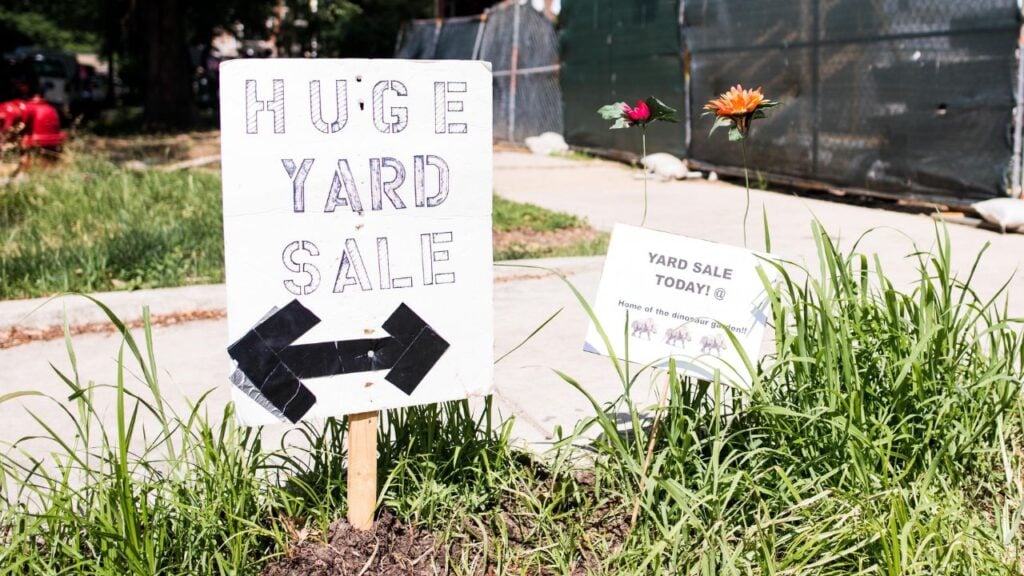
Many California cities cap a yard sale at two or three a year before they want a cut of what sells.
Go over that limit without knowing it, and a seller’s permit becomes the least of the paperwork.
