
5 California Wildlife Rules That Get Homeowners Fined Every Fall

Do you assume California’s wildlife rules stop at the edge of a national forest?
They don’t.
A state wildlife regulation bans feeding deer or elk anywhere in California, a fenced backyard included.
These are the California wildlife rules that get homeowners fined every fall.
Note: This is general information, not legal advice. Wildlife ordinances, fine amounts, and enforcement vary by city and county and are subject to change.
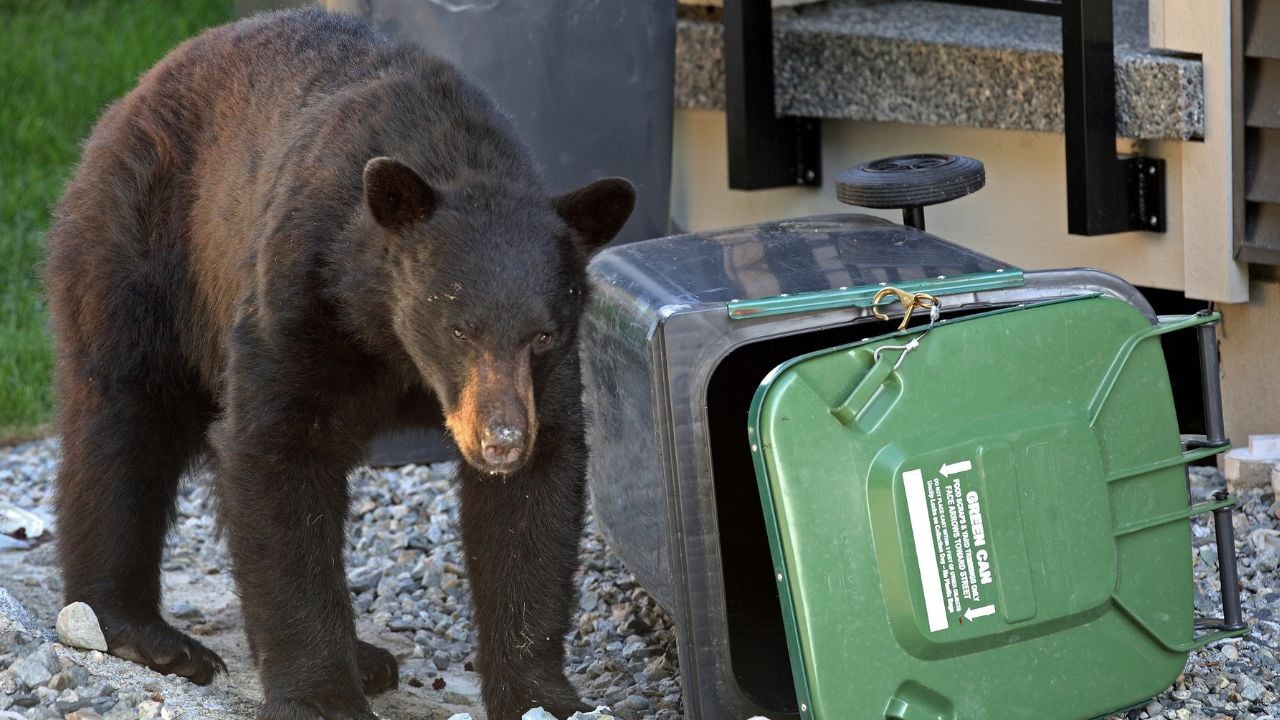
1. Leaving Trash Outside a Bear Box
Mountain towns write citations over a homeowner’s unlatched trash can.
Truckee backs that up with money.
The town’s garbage ordinance has carried a fine of up to $1,000 for repeat violators since Truckee toughened it in 2013, the broadcaster CBS News reported at the time.
The city of South Lake Tahoe has debated a version of the rule for years.
The timing isn’t a coincidence.
Black bears enter hyperphagia every fall, eating nearly nonstop to build fat reserves before they den for winter.
An adult bear can pack on 20,000 to 24,000 calories in a single day during that stretch, according to the state wildlife agency.
An unlatched trash can is exactly the easy, calorie-dense meal it’s after.
South Tahoe crews have described scooping up bear-scattered garbage as often as 30 times a day once the season turns.
That same reporting describes a third offense triggering a mandatory bear box installation, at the homeowner’s cost.
Latch the lid.
It’s the cheaper option.
2. Feeding Bears, Coyotes, or Deer
Mammoth Lakes doesn’t treat a bag of birdseed as harmless to wildlife.
Under Town Ordinance 6.20.010, it’s illegal to feed a bear, a mountain lion, a coyote, a raccoon, a deer, or even a mouse or squirrel on purpose.
The fine grows with every repeat.
A first offense costs $100.
A second, within the same year, costs $200.
A third offense, and every one after it, costs $500, per the town’s wildlife management page.
Fall is exactly when a bird feeder turns into bait.
Wildlife officials tell residents to pull feeders and bring pet food inside starting in fall.
That’s precisely when a hungry bear is most willing to test a yard it would normally avoid.
Coyotes, raccoons, and deer fall under the same ordinance, not just bears.
Is This Just a Ticket, or Something Worse?
Several of these California wildlife rules carry more than a simple fine on paper.
A Fish and Game Code violation defaults to a misdemeanor.
The code’s general misdemeanor penalty allows up to $1,000 in fines and up to six months in county jail, even on a first offense.
A few of these violations carry a higher fine under a different part of the same code.
Many first-time violations still end with a fine and nothing more.
The misdemeanor label is what gives an officer the option to push further.
3. Trimming Trees With Active Nests
California homeowners doing fall yard work can walk straight into a wildlife law without meaning to.
State law makes it illegal to needlessly destroy the nest of any bird, and a second section adds extra protection for hawks, owls, and other birds of prey.
A violation of either section carries a fine of up to $5,000 under the Fish and Game Code, on top of whatever a court adds for the underlying misdemeanor.
The federal Migratory Bird Treaty Act backs that up with a penalty.
Up to $15,000 and six months in jail for a violation.
Nesting season doesn’t end when summer does.
Rancho Palos Verdes, like a number of California cities that regulate tree work, defines active raptor nesting season as running from January through September 30.
That date lands about a week past the fall equinox.
That’s still nesting season.
A tree that looks empty to a homeowner with a chainsaw in early fall can still hold a legally protected nest before that window closes.
If a homeowner spots signs of an active nest, the work has to stop until a qualified biologist surveys the site.
Skip the survey, and the tree waits.
Money is on the line either way.
4. Relocating a Rattlesnake Yourself
A rattlesnake under the porch doesn’t give a California homeowner the legal right to move it.
State law lets a homeowner catch and release up to two rattlesnakes a day without a license.
Releasing a rattlesnake anywhere else requires written approval from the California Department of Fish and Wildlife first.
That distinction has landed at least one longtime volunteer trapper in hot water.
Skip that step, and the same Fish and Game Code penalties apply as any other unauthorized release.
Fall puts that rule to the test.
Multiple rattlesnakes often gather and den together as the weather cools, frequently in a rock pile, a woodpile, or right underneath a house, according to the state wildlife agency.
That’s the moment a homeowner is likely to find a rattlesnake and want it gone fast.
Not that fast.
Call a licensed trapper or the department instead of driving it a mile down the road.
Psst! How wildlife-compliant is your California yard this fall? Run through this checklist and see where you stand.
5. Disturbing Pacific Grove’s Monarchs
Pacific Grove treats its monarch butterflies as a matter of California wildlife law, not just civic pride.
A city ordinance makes it unlawful to molest the monarchs anywhere within city limits, private yards included.
The rule dates back to 1938.
That’s not a typo.
It originally carried a fine of $500 and up to six months in the county jail.
The monarch ordinance carries no separate penalty section.
Today’s violation falls under the city’s general misdemeanor penalty instead: Up to $1,000, with county jail time still on the table.
The monarchs are the entire reason the law exists in the first place.
They start arriving in Pacific Grove in September, in small numbers first, then in the thousands as fall goes on.
The Private-Property Myth
California’s wildlife rules don’t stop at a property line.
None at all.
A separate state regulation bans feeding deer, elk, and other big game animals anywhere in California, public land or not.
That means the porch railing where a homeowner sets out corn for the deer can trigger the same rule as knowingly feeding a bear at a campground.
The regulation’s definition of “big game” runs to five species: Deer, elk, pronghorn antelope, Nelson bighorn sheep, and black bear.
A backyard feeder stocked for the deer and a cooler left open at a bear campsite break the identical rule.
7 Rules That Decide Which California Neighbor Pays When a Shared Tree Falls
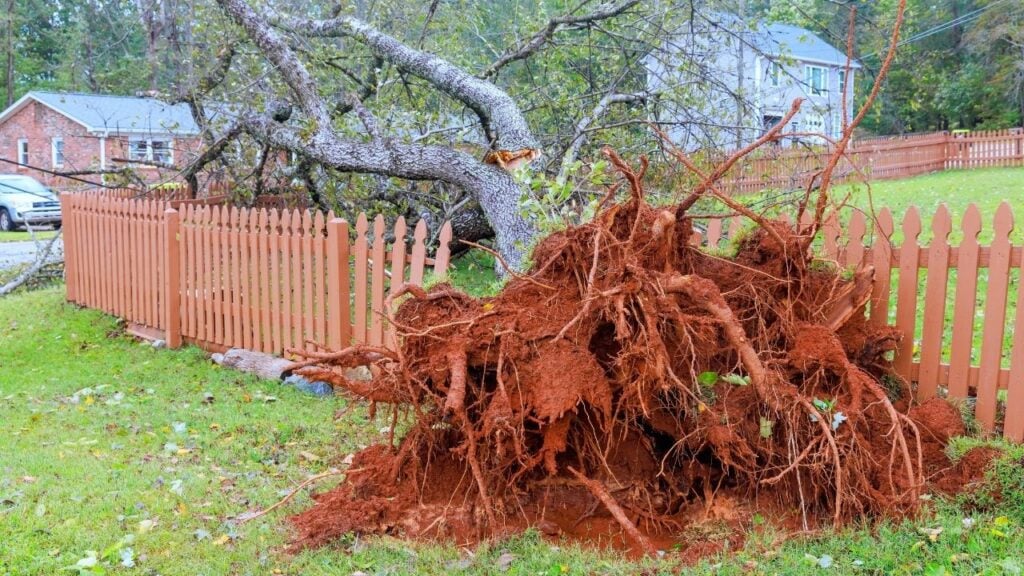
In 1872, California decided who owns a tree standing on a property line, and the rule in the state’s Civil Code hasn’t changed since.
Where the trunk stands decides who’s on the hook when that tree splits a fence or crushes a shed.
7 Rules That Decide Which California Neighbor Pays When a Shared Tree Falls
4 Restaurant Behaviors California Employees Wish Diners Would Stop

A resold reservation at Funke in Beverly Hills once listed for $125 on a site built to flip tables, and the restaurant never saw a cent of it.
California lawmakers banned the practice by a unanimous vote in August, but that’s far from the only thing California restaurant staff wish diners would knock off.
4 Restaurant Behaviors California Employees Wish Diners Would Stop
