
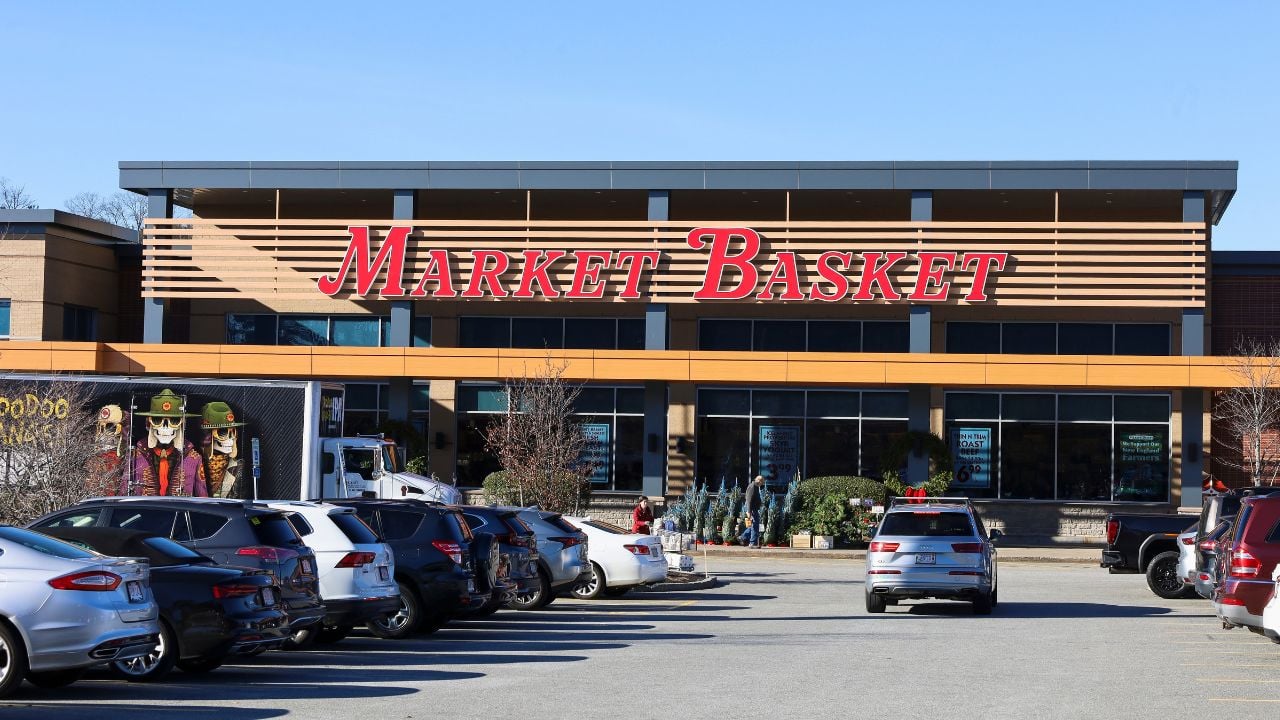
5 Market Basket Deli Counter Mistakes Massachusetts Shoppers Keep Making

The longest part of a Market Basket deli order shouldn’t be realizing there was a faster way to get it.
Yet Massachusetts shoppers routinely wait for items they could grab immediately, overlook special options, or show up too late for the order they need.
These deli counter mistakes can cost shoppers time, limit their choices, and occasionally leave your holiday table without its main attraction.
1. Skipping the Pre-Sliced Cooler
Market Basket built its deli department around a ticket line. But the chain also keeps a pre-sliced cooler stocked right next to the counter.
Ham, turkey, roast beef, salami, bologna, and a rotating lineup of cheeses sit there pre-packaged, sliced fresh throughout the day by the same staff working the counter.
No ticket required.
Shoppers who pull a number for a half pound of turkey often don’t realize the same cut is already sitting a few feet away, wrapped and ready.
The cooler keeps stock the same hours the store runs, 7 a.m. to 9 p.m. Monday through Saturday and 7 a.m. to 8 p.m. on Sunday, so it covers the early risers and the last-minute stops alike.
That shortcut skips the whole line on a busy Saturday.
2. Accepting Whatever Thickness the Slicer Is Set To
Market Basket hand-slices its deli meats and cheeses fresh throughout the day, instead of selling only what’s already cut behind the glass.
Every commercial slicer runs on a dial that turns thinner or thicker on request.
Few shoppers ask.
Shoppers who order a half pound of turkey and nothing else get whatever setting the slicer was left on for the last customer.
That’s rarely the cut a sandwich or a wrap calls for.
Asking to see a sample slice before the rest gets cut, or naming thin, medium, or thick outright, costs nothing and changes what lands in the bag.
3. Overlooking the Deli’s Organic, Nitrate-Free, and Imported Case
Market Basket’s Delicatessen carries more than the everyday ham and turkey many shoppers grab out of habit.
The same case stocks organic, antibiotic-free, gluten-free, and nitrate-free meats and cheeses, plus imports sourced from Europe, according to the chain’s own department page.
Easy to walk past.
Many shoppers never ask what’s behind the standard picks.
A shopper managing a nitrate allergy, or just looking for a change from the usual cold cuts, can find it in the same case, not a separate specialty aisle.
4. Expecting a Same-Day Platter
Market Basket’s deli builds platters for parties, from simple trays of sliced cold cuts to full lobster spreads.
Walking up and expecting a platter built on the spot trips shoppers up.
That’s not how it works.
Market Basket’s own party-platter page requires two-day advance notice for its fresh lobster and shrimp trays, and it tells shoppers to check with the deli manager ahead of time for the rest.
The trays themselves range anywhere from seven servings to thirty, depending on the platter, so the deli needs the lead time to build a platter that size correctly.
A same-visit request for tomorrow’s cookout routinely comes up empty.
Psst! How Market-Basket-savvy is your deli order? Run through this checklist and see where you stand.
5. Waiting Too Long to Pre-Order the Holiday Turkey or Ham Dinner
Market Basket sells a holiday dinner kit, turkey or ham, built to serve eight to ten people, fully cooked and ready to heat and serve.
The order goes through the same deli counter as everyday cold cuts, not a separate catering line.
Timing matters here.
Waiting until the week of a holiday to ask about it backfires more than shoppers expect.
Market Basket’s own promotion for the dinner tells shoppers to order it “while supplies last,” a first-come system with no guaranteed date.
A shopper who waits until the days before Thanksgiving or Christmas to ask can find the deli already sold out.
Deli Roots Stretching Back to 1917
Market Basket started in 1917, when Greek immigrants Athanasios and Efrosini Demoulas opened a single grocery store in the Acre neighborhood of Lowell.
The family-run chain has grown into more than 90 stores across Massachusetts, New Hampshire, Maine, and Rhode Island, still run out of its Tewksbury headquarters.
The deli grew up alongside it.
Long before online ordering or self-checkout existed anywhere, Market Basket shoppers were already pulling a paper ticket and waiting their turn, a ritual that looks almost the same today.
The routine still holds.
The chain still runs on the same low-price promise the Demoulas family built it on, the reason generations of Massachusetts shoppers keep coming back to the same counter.
Market’s Kitchen Runs on Different Rules Than the Deli
Market Basket’s Market’s Kitchen counter, not the Delicatessen, is where shoppers build a sub to order, right down to how much meat goes on it.
Extra meat and double meat sound like the same request.
They aren’t.
It trips up even fans of the counter’s $7 steak bomb sub, loaded with steak, mushrooms, peppers, salami, and pepperoni.
Shoppers who ask for extra meat while picturing double meat end up either underwhelmed or paying more than they planned.
Market Basket’s Market’s Kitchen, not the Delicatessen, is also where the rotisserie chicken many shoppers associate with the deli counter comes from.
A whole bird at the chain’s Somerville store rang up at $4.69 in a July 2025 review, cheaper than a typical fast-food combo meal at the time.
That price reflects one store on one visit, not a standing chain-wide number, since Market Basket’s prices vary by location and change over time.
The same review called the chicken’s legs the best part, meat tender enough to cut with a plastic knife.
What Extra and Double Meat Cost at Market Basket’s Kitchen Counter
Market Basket’s Market’s Kitchen counts a standard sub as the baseline sandwich.
A Chowhound review of the counter reports extra meat running about half again that baseline, with double meat costing roughly two dollars more, though Market Basket hasn’t published an official price sheet confirming either figure.
Grocery Shopping Habits That Are Hurting Your Budget

Deli mistakes are just one leak in a grocery budget.
A few ordinary habits at checkout and in the aisles can cost shoppers far more over a year than any missed deli deal.
