
5 Things Georgia Kids Did in the 1960s That Would Panic Parents Today

Kids in the 1960s had a lot more freedom than many parents would allow today.
Many of the things kids used to do would now be considered dangerous or neglect.
These are the things Georgia kids did in the ’60s that would panic parents today.
1. Walks to School
Walking to school was routine for many kids across the country.
In 1969, 48 percent of students usually walked or biked there, according to federal travel survey data.
That count covers kids ages 5 to 14.
If you were in school then, the odds were nearly even that you got there on foot or by bike.
By 2009, only 13 percent did.
Over the same stretch, the share of students arriving by car rose from 12 percent to 44 percent.
2. Riding Without Seat Belts
Riding without a seat belt was an ordinary car trip for many kids.
Even after child safety seats became available in the late 1960s, few parents used them, according to The Henry Ford museum.
A Montgomery Ward car seat sold in the mid-1960s let little children ride seated or standing.
Another unanchored car seat from the early 1960s even came with a steering wheel for the child, and it offered little protection in a crash.
Under a Georgia law, a new passenger car manufactured after January 1, 1964, could be sold only with two sets of belts for the front seat.
If you rode in the back, the requirement didn’t name your seat.
Federal rules required belts at every seating position in new passenger cars from 1968.
Child passenger laws followed in every state between 1978 and 1985.
3. Easy-Bake Ovens
Kenner’s Easy-Bake Oven, a light bulb-powered toy oven that let kids make cakes and cookies, debuted in 1963.
Around 500,000 were sold in its first year.
Kenner soon sold cake, cookie and pie mixes in foil packets for it.
The foil packets gave the mixes a shelf life of two years.
Commercials for the oven ran during children’s morning cartoons.
Demand was so high that production tripled in 1964.
Todd Coopee, author of a book on the Easy-Bake Oven, says the light bulb oven got up to 350 degrees Fahrenheit inside.
If you owned one, it could reach a standard baking temperature.
4. Wheelies on Sting-Rays
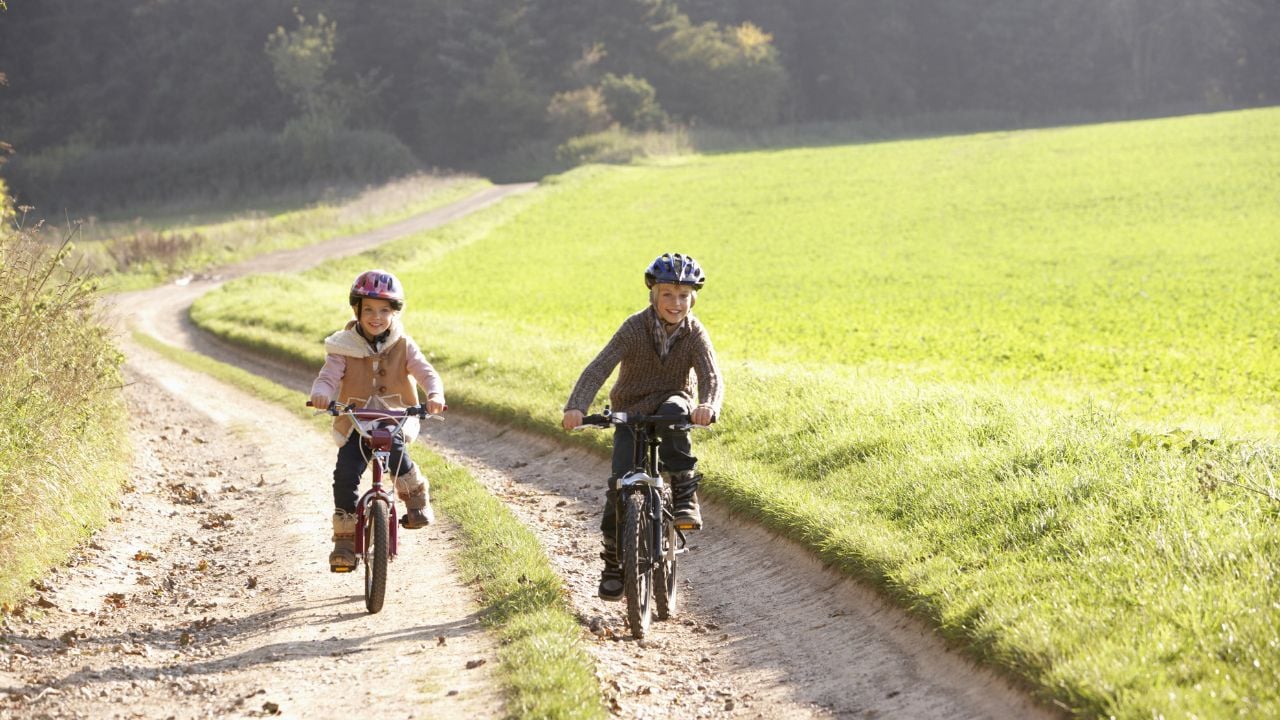
Schwinn’s Sting-Ray, introduced in 1963, was a child’s bicycle that the Smithsonian says was perfect for wheelies.
Its banana seat had room for the rider and a passenger.
Bell didn’t release its foam Bell Biker helmet until 1975.
If you wanted a helmet for your Sting-Ray, leather strip models dominated the market.
They offered very little protection in a fall on pavement.
The Bicycle Helmet Safety Institute dates the first workable U.S. bike helmet standard to 1984.
Georgia law now requires a helmet for riders under 16.
Who the Kids’ Helmet Rule Covers
Georgia’s helmet rule for kids covers passengers as well as riders, on a highway, bicycle path, bicycle lane or sidewalk.
A qualifying helmet must meet impact standards set by the American National Standards Institute or the Snell Memorial Foundation.
5. Unwrapped Halloween Treats
Halloween treats drew new scrutiny in 1964, when a New York woman made headlines for handing older trick-or-treaters dog biscuits, poisonous ant bait and steel wool.
By the mid-20th century, homeowners with their house lights on gave out candy, and those who preferred to skip candy-giving kept their lights off.
Urban myths in the 1960s also raised worries about kids taking candy from strangers.
After the 1964 incident, educational programs taught kids to throw away unwrapped treats.
If you trick-or-treated in those years, you may have heard that rule yourself.
A shift toward commercial wrapped candy followed.
Psst! How much do you know about growing up in the 1960s? Take our quiz and see if you can ace it.
Metal Playgrounds
Playground equipment at parks and schoolyards was built mostly from galvanized metal until about the mid-1980s, a 2014 Cooperator article says.
A typical play yard had a slide or two, swing sets, monkey bars and a merry-go-round.
If you played at a community playground, it might have been set in a grassy or sandy lot to cushion falls.
If you played at a school yard or public recreation center, asphalt was a common surface.
Lawn Dart Injuries
Lawn darts were a backyard game that could cause serious head injuries.
Since 1970, federal rules had kept lawn darts out of toy stores.
If you wanted a set, sporting goods stores still sold them for adult use.
Commissioner Anne Graham said parents were buying them there for their children.
From 1978 through 1986, U.S. emergency rooms treated an estimated 6,100 lawn dart injuries.
About 81 percent of the victims were under 15.
About half were under 10.
Three children, ages 4, 7 and 13, were known to have died.
In 1988, the federal Consumer Product Safety Commission approved a ban on the types capable of causing skull punctures.
Fulton County’s School Shelter Plans
By Cold War standards, Atlanta was a critical target area.
A 1956 Fulton County Board of Education meeting designated all school employees as representatives of the city’s Director for Civil Defense.
If you attended a Fulton County school then, your teachers were among them.
Fulton County schools and local PTAs regularly ran evacuation exercises throughout the 1950s.
The drills simulated an attack, then moved children out of their schools and into their homes within a given time.
As missiles cut warning times to a few minutes, resources shifted toward building and stocking fallout shelters.
Schools reinforced many existing interior spaces to create shelters at minimum cost.
By the mid-1960s, thousands of shelter spaces were available for Fulton County’s students.
The county’s school system stayed involved in civil defense programs well into the 1970s.
5 Georgia Boiled Peanut Rules Nobody Explains
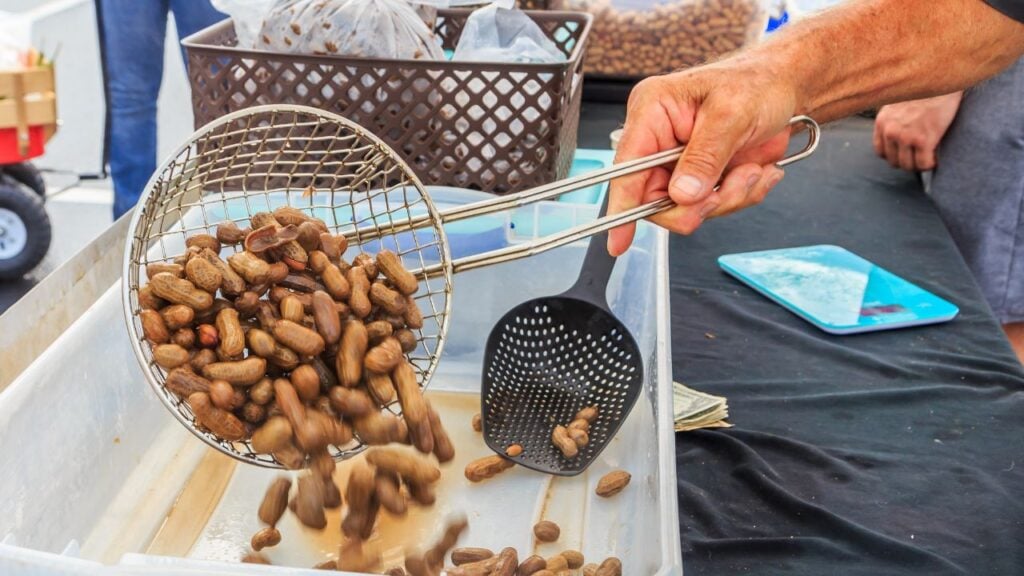
Boiled peanuts come with unwritten rules.
Sylvester even bills itself as the Peanut Capital of the World.
5 Georgia Boiled Peanut Rules Nobody Explains
8 Georgia Coastal Stops That Are Harder to Reach Than Visitors Expect
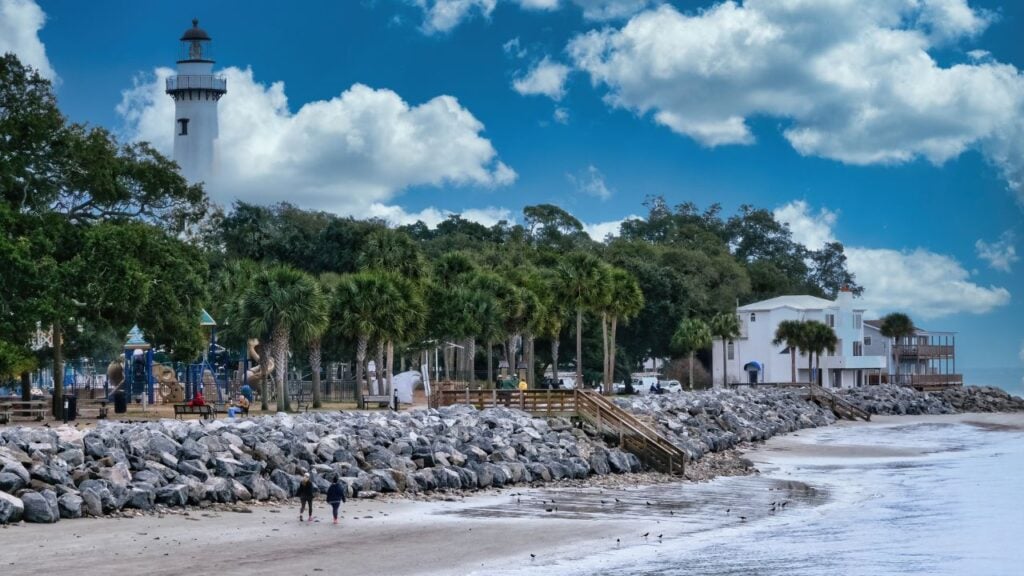
Some Georgia coastal stops take more planning than visitors expect.
Planning ahead makes the difference.
8 Georgia Coastal Stops That Are Harder to Reach Than Visitors Expect
