
6 Oklahoma Dishes Younger Oklahomans Rarely Learn to Make

A federally funded food-sovereignty project set out to save the corn behind sofkee, one of Oklahoma’s oldest dishes.
A survey found Muscogee Nation growers had gone an estimated 40 years without planting it.
Growing the corn back was the easy part.
That same project needed four classes just to teach the recipe back. Ask whether the average Oklahoman under 40 could cook it the way Muscogee elders did, and the answer is usually no.
These are the Oklahoma dishes younger Oklahomans rarely learn to make.
1. Kanuchi
Kanuchi starts each fall with a hunt for hickory nuts, gathered by hand and cracked open one at a time with a rock or hammer.
Then they’re pounded into a paste.
Cherokee Nation citizens who still know the whole process by heart are hard to find, the tribe’s newspaper reports.
Few people take it on.
A cook strains the pounded nuts through hot water until the shells sink and an oily liquid rises to the top.
Cooks serve that liquid plain or stir it into rice or hominy at gatherings across the state’s northeast.
Today it mostly turns up at ceremonial gatherings and a handful of traditionalists’ tables, not everyday kitchens.
Few people gather enough nuts to make a batch anymore, let alone crack every one by hand the old way.
2. Wild Onions and Eggs
Wild onions and eggs starts each spring with a walk through the woods, not a trip to a grocery aisle.
Wild onions push up through the leaf litter for only a few weeks each spring, well before the domesticated kind shows up in stores.
Cherokee families rake back fallen leaves along creek bottoms looking for thin green shoots, then wash, chop, and scramble them with eggs, sometimes bacon.
One longtime forager told the tribe’s newspaper that fewer young Cherokees make that walk today, especially kids who grew up in bigger towns instead of the countryside.
Patches don’t come to you.
The eggs and bacon are never the hard part.
Finding someone willing to spend a whole morning gathering the onions first is the hard part now.
3. Sofkee
Sofkee is a soured corn drink Muscogee families once kept simmering on the back of the stove, ready to dip into throughout the day.
Making it starts with a corn variety soaked in wood-ash water, then pounded and left to ferment for a day or more.
The same project had assumed, going in, that growers had gone an estimated 40 years without planting that corn, and the seed had nearly disappeared along with it.
The recipe nearly died too.
Growers have since replanted the corn.
Bringing the recipe back took teaching, too.
The project held just four cooking classes at the Wilson Indian Community Center for young mothers and other Muscogee youth.
Four classes reach only a handful of people, and many young Muscogee cooks still haven’t stood over the pot themselves.
4. Fried Pumpkin
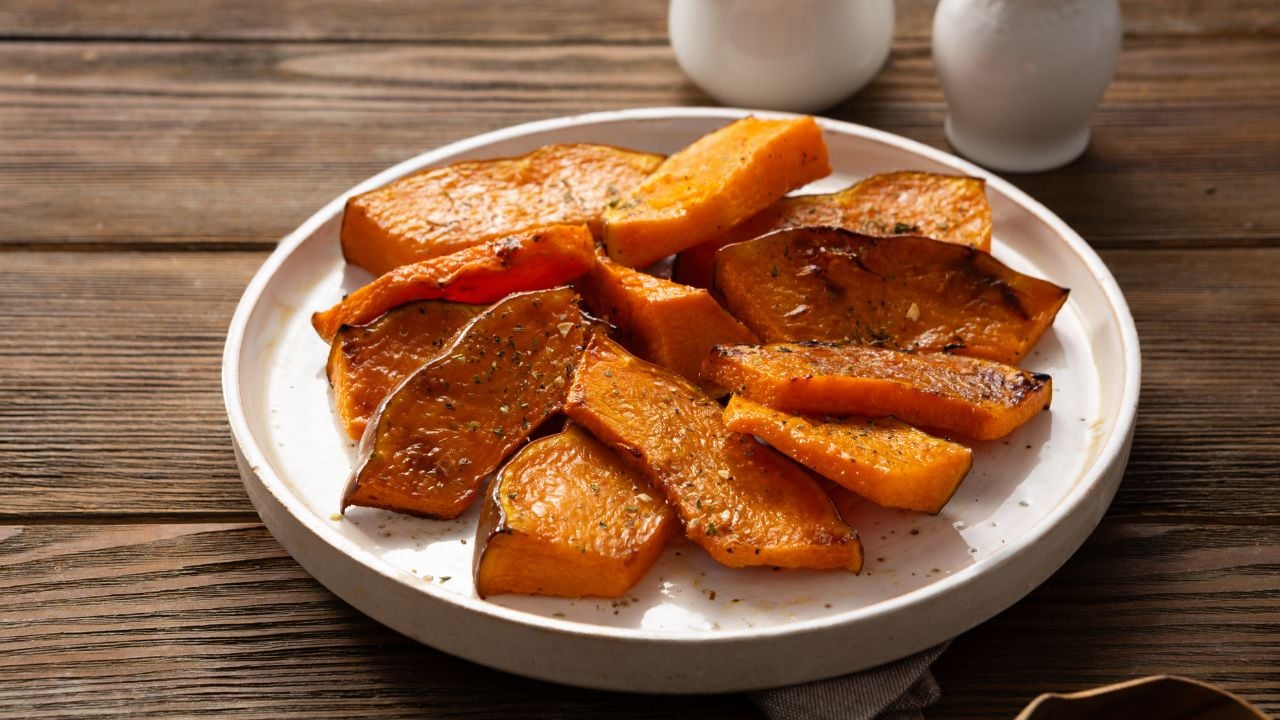
Fried pumpkin in Muscogee kitchens starts with an heirloom variety called Indian pumpkin, sliced thin and cooked in fat until the edges caramelize.
That same food-sovereignty project that helped save sofkee corn found Indian pumpkin nearly gone too, grown today by only a handful of Muscogee Nation farmers.
That scarcity reaches every plate.
Grocery-store pumpkin doesn’t taste the same, and it isn’t sold with any of the growing history attached.
It typically lands on the table as a side, not a dish eaten alone.
The dish only survives where someone still plants the old seed and passes both the seed and the recipe to whoever cooks next.
5. Tanchi Labona
Tanchi labona is a Choctaw hominy and pork soup, built on corn soaked in wood-ash lye water until the hull loosens.
Making hominy from scratch takes days of soaking, rinsing, and cooking before the pork even goes into the pot.
Skipping a step in the lye process leaves the corn tasting wrong or hard to digest.
That kind of detail usually passes down mouth to mouth, never onto a recipe card.
The Choctaw Nation’s history project reports that as fewer Choctaw families farm at home, the heirloom corn varieties that dishes like this depend on have been disappearing too.
Without it, there’s no soup.
Chickasaw families make a similar corn-and-meat dish called pashofa, so the same corn shortage touches kitchens across both nations in the state’s southeast.
A few cooks still put it up the slow way, soaking their own corn instead of buying instant hominy off a shelf.
6. Grape Dumplings
Grape dumplings started as a dessert built around wild possum grapes, the small native fruit that ripens along fence lines and creek banks each fall.
Cooks once spent an afternoon hunting down enough grapes, then boiled cornmeal dough right in the juice until it turned a deep purple.
Few Oklahomans under 40 ever learn to make that traditional version now.
Oklahoma Living Magazine reports the dish is typically made today by boiling a biscuit-mix dough in frozen grape juice instead.
Many learn only the shortcut.
A handful of tribal cultural centers around the state still make the wild-grape version for community dinners, often the only place left to learn how it’s made.
What “Traditional” Means Here
Grape dumplings and kanuchi both come in two versions across Oklahoma today, and the gap between them is bigger than the recipe card lets on.
The traditional version starts from a wild ingredient someone had to gather and process by hand, whether that’s possum grapes, hickory nuts, or hand-hulled corn.
The shortcut version swaps in a store-bought stand-in, like bottled juice, shelled nuts, or instant hominy.
That swap also skips the labor that used to teach the recipe to whoever cooked it next.
A Food Sovereignty Comeback
The state’s tribal nations have started tracking how many traditional dishes came close to vanishing.
The Muscogee Nation’s seed-recovery project is one example, and several other tribes run heirloom-seed banks and cooking classes aimed at teens and young adults.
Not just about the corn.
Psst! How much do you know about Oklahoma’s food history? Take our quiz and see how many you can get right.
Quiz
Oklahoma Food History IQ
Answer these questions on Oklahoma’s food history and famous stops. We bet you can’t get them all right. Prove us wrong?
A dice game at an Oklahoma City hotel changed the ownership of which historic steakhouse in 1945?
The Heirloom Seed Count
The Cherokee Nation alone sent out more than 8,000 heirloom seed packages to citizens across the country in 2025.
Dozens of the varieties trace back to before the Trail of Tears.
History, mailed in a packet.
The tribe says genetic testing confirmed the seeds as true descendants of what Cherokee families originally grew.
Citizens can request packages online through the tribe's Gadugi Portal.
9 Tornado Season Routines That Come Naturally to Oklahomans

April and May bring close to 37 tornadoes to Oklahoma in an average year, according to National Weather Service data out of Norman.
Oklahomans built a set of routines around numbers like that, and none of it looks like panic from the outside.
9 Tornado Season Routines That Come Naturally to Oklahomans
6 High School Football Habits That Give Away an Oklahoma Local

Oklahoma crowns close to a dozen high school football state champions every December, many of them at the same stadium in Edmond.
A local has the drive mapped out before Week 1 even kicks off.
6 High School Football Habits That Give Away an Oklahoma Local
