
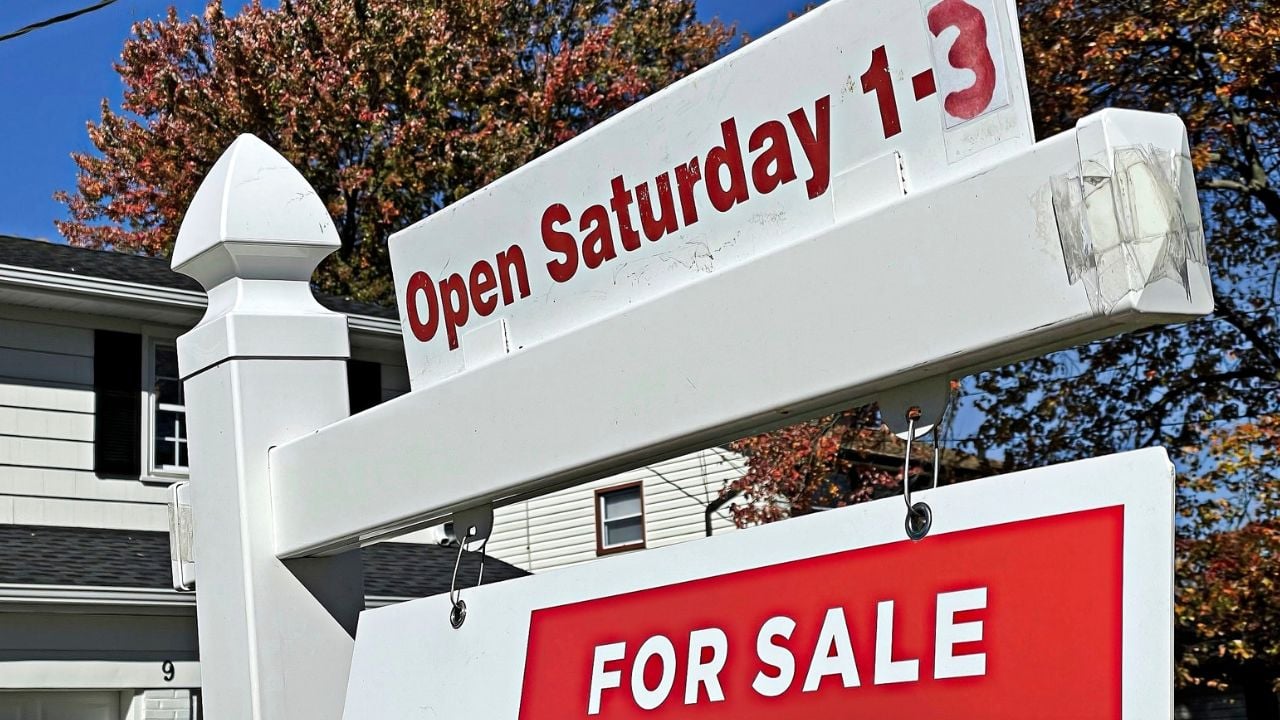
6 Things New Jersey Requires Before a Home Sale That Surprise Sellers

You’ve signed a contract and the hard part’s behind you, until your New Jersey town asks for a certificate before you can sell.
Flood disclosures, well water tests and a tax form for the deed add steps too, and some of them have to be done before closing day.
Here’s what sellers need to line up early so nothing slows your closing.
Note: This is general information, not legal or tax advice. Requirements and fees vary by town and are subject to change, so confirm the current details with your municipal building department and fire official.
1. Alarm and Extinguisher Certificate
New Jersey’s fire code requires you to obtain a certificate of smoke alarm, carbon monoxide alarm and portable fire extinguisher compliance before you sell your one- or two-family home.
The certificate comes from the appropriate enforcing agency.
Where your town has no inspection or approval requirement for it, that agency is the one that enforces the state’s Uniform Fire Safety Act.
In Somerville, the fee is $100 when you apply at least 10 business days before you need the inspection.
That fee rises to $200 if you need the inspection in less than four business days.
What the Alarm and Extinguisher Certificate Covers
The alarm and extinguisher certificate for a home sale isn’t transferable.
If the sale doesn’t happen within six months, you need a new application.
Homes with no fuel-burning appliances and no attached garage don’t need the carbon monoxide alarm.
2. Town Occupancy Certificates
Some New Jersey towns require a continued occupancy certificate before a sale.
Wayne Township’s code says no residential property can change ownership until the town issues the certificate.
A transfer between immediate family members is exempt there.
The inspection checks that the home conforms to its zoning and property maintenance ordinances.
It also checks that any deck, finished basement or shed went up with the required permits or a variance.
The inspection can’t be scheduled while any permit on the property is open.
Once none are, the town’s officer has 15 business days to inspect and either issue the certificate or explain the failure.
Piscataway requires a Municipal Certificate of Continued Occupancy when you sell a home, and its office strongly recommends applying at least four weeks before closing.
Piscataway’s checklist includes working smoke and carbon monoxide detectors and a fire extinguisher, though the list isn’t all inclusive.
3. Property Condition Disclosure Statement
Under a 2023 state law, sellers must make flood disclosures on the Property Condition Disclosure Statement before the buyer is bound to a contract.
The state’s instruction sheet says you must disclose any known material defects, even defects the printed questions don’t cover.
The seller alone is the source of all the information in the form.
Since March 20, 2024, the form has also carried a flood risk section.
The section has you answer whether your property is in a Federal Emergency Management Agency (FEMA) Special Flood Hazard Area.
You also say whether it’s in a Moderate Risk Flood Hazard Area.
The form also has you say whether the property has had flood damage or pooled water due to heavy rainfall or another natural flood event.
Another item is whether federal law requires you to obtain and maintain flood insurance on the property.
Psst! How much do you know about owning a home in New Jersey? Take our quiz and see if you can ace it.
Quiz
Jersey Homeowner IQ
Answer these questions on New Jersey home-buying and homeowner facts. We bet you can’t get them all right. Prove us wrong?
Stay NJ pays property tax benefits to eligible homeowners aged 65 and older. For the lowest income tier in the 2025 tax year, what’s the maximum benefit?
4. Well Water Test
If your home runs on a private well, the Private Well Testing Act, a 2001 state law, puts a water test into the sale.
Your contract has to make the test a condition of the sale.
Closing can't happen until you and the buyer have both received and reviewed the results.
At closing, you both have to certify in writing that you did.
The state's testing rule includes total coliform bacteria, nitrate, lead, arsenic, volatile organic compounds and gross alpha particle activity.
Samples in some counties are also tested for mercury or uranium.
5. Attorney Review Window
When a licensee with a commission or fee interest prepares your home contract, New Jersey's attorney review window gives you three business days after delivery of the signed contract.
State Real Estate Commission rules cover homes with one to four dwelling units.
They require the contract to carry a notice on its first page saying it will become final within three business days.
During that window, an attorney for you or for the buyer can review the contract and disapprove it.
If nobody objects, the contract becomes binding when the window closes.
The attorney sends the notice of disapproval to the broker or brokers and the other party.
Weekends and holidays don't count.
6. Gross Income Tax Form
New Jersey requires a Gross Income Tax (GIT) form to record nearly every deed in a home sale, and which GIT/REP form you complete depends on where you live.
The Division of Taxation says the county clerk won't accept a deed without a properly completed and signed GIT/REP-1, -2 or -3 form.
The only exceptions are sheriff's sales and bankruptcy trust sales.
The buyer or the buyer's representative is responsible for making sure someone completes the form at closing.
If you live in New Jersey, you sign a GIT/REP-3, the Seller's Residency Certification/Exemption, to record the deed.
If you live out of state, you complete a GIT/REP-1 or GIT/REP-2 and generally prepay estimated Gross Income Tax.
That prepayment can't be less than 2% of the total consideration stated in the deed.
6 Pinelands Rules That Make New Jersey Land Worth Less Than It Looks

The New Jersey Pinelands Commission controls what a landowner can build across about 19% of the state's total area.
Its rules can change what a parcel is worth to a buyer.
6 Pinelands Rules That Make New Jersey Land Worth Less Than It Looks
5 Beach Renourishment Fees New Jersey Shoreline Owners Don't See Coming
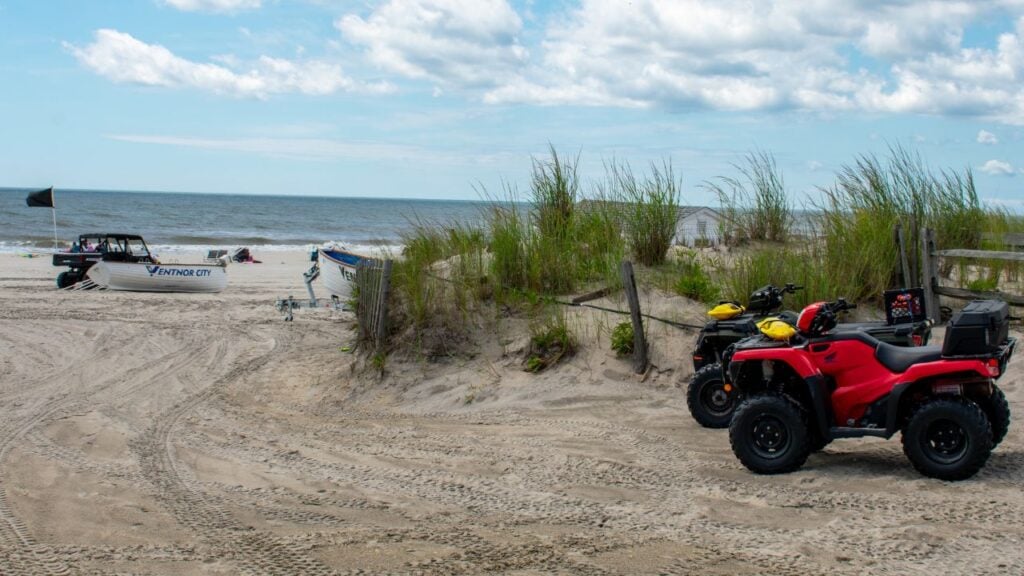
The Army Corps of Engineers has awarded beach replenishment contracts for Jersey Shore towns.
Shoreline property owners cover pieces of the bill too, sometimes years after the trucks leave.
5 Beach Renourishment Fees New Jersey Shoreline Owners Don't See Coming
