
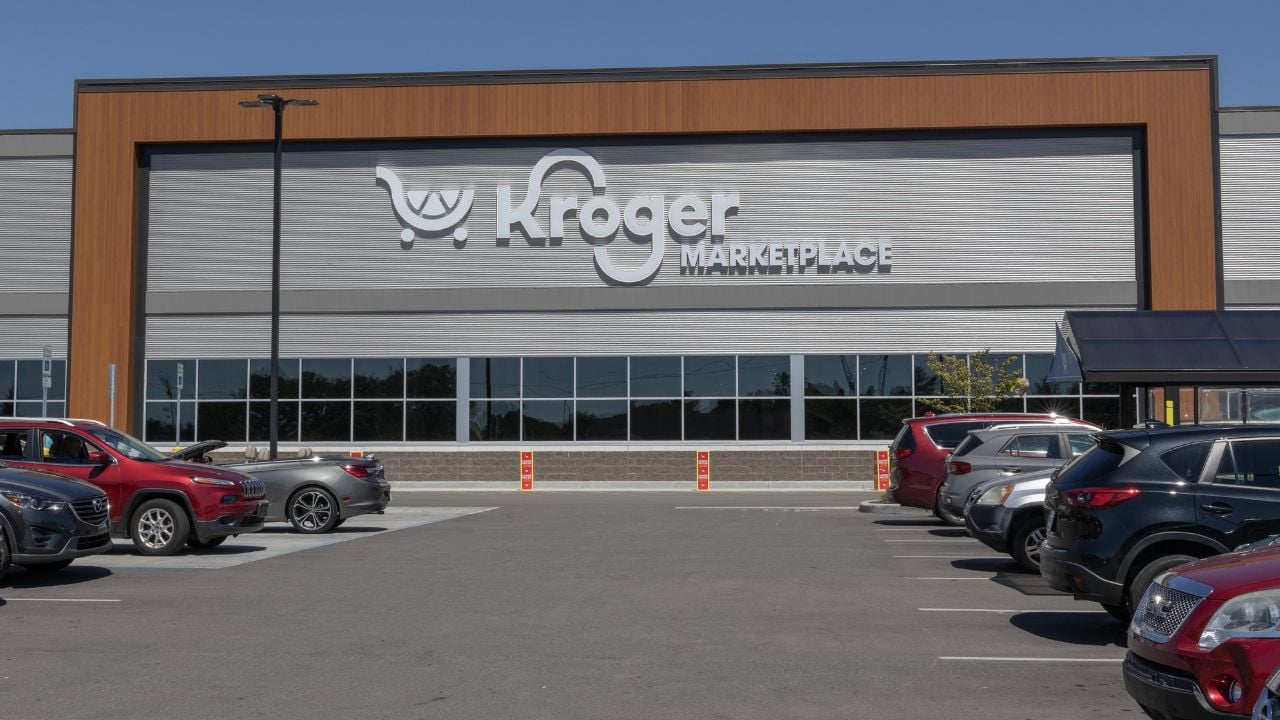
7 Kroger Mistakes Tennessee Shoppers Make Every Week

Consumer Reports recruited shoppers to check sale tags at 26 Kroger-owned stores and found they paid an average of $1.70 too much on every item that was supposed to be marked down.
That’s 18.4% over the advertised price.
Kroger’s Make It Right policy lets an associate correct a wrong price on the spot.
It’s a fair backstop, though many shoppers understandably don’t have the prices memorized.
In our opinion, these are some of the Kroger habits costing Tennessee shoppers every week.
1. Clipping Your Coupons Too Late
A shopper at the Poplar Avenue Kroger loads four digital coupons on the walk back to their car, which is four coupons too late.
The clip has to land before the cashier rings the order, and no associate can reach back and add one afterward.
That’s how one shopper pays the shelf price for a tub of Private Selection ice cream while the person behind them pays the coupon price for the same tub.
Kroger loads fresh offers to Kroger Plus accounts every week, so the clipping is never finished.
Do it at the kitchen table, before the car keys come out.
2. Stopping at Four Items
During Kroger’s mix-and-match event, every participating item drops a dollar once you buy five of them.
The five don’t have to match, so a box of Kroger brand cereal, two cans of soup, a bag of shredded cheese, and a jar of salsa all count toward the same five.
Four gets you nothing.
Kroger runs the event for weeks at a stretch across hundreds of items, so a shopper on the same Thursday routine passes the same tag trip after trip.
Shoppers in Knoxville roll four of them to the checkout anyway, then squint at a total that doesn’t match the shelf tag.
The fifth item is worth five dollars, and Kroger prints the requirement right on the tag.
3. Trusting the Register
Shelf tags and registers at Kroger stores disagree more often than shoppers assume.
A Consumer Reports investigation sent shoppers into 26 Kroger-owned stores across 14 states and Washington, D.C., turned up expired sale tags on more than 150 items, and measured an average overcharge of $1.70 on every sale item.
Kroger disputes the picture, saying it reviews millions of items weekly and calling any claim of widespread pricing problems patently false, and its Make It Right policy lets an associate correct a bad price at the register or the service desk.
Somebody has to flag it.
An associate can’t fix a price nobody questioned, and a receipt read in the car three days later is a harder conversation than one caught at the belt.
The shoppers who catch it are watching the screen while the groceries scan.
4. Burning Points on Small Fill-Ups
Reach 1,000 Kroger fuel points and Kroger takes a dollar off every gallon at its fuel centers, up to $35 in a single stop, though the maximum varies by location.
That takes a big tank.
The Math on 1,000 Fuel Points
One thousand points takes $1 off every gallon at a Kroger fuel center.
Kroger caps that discount at $35 in one transaction, which takes a 35-gallon fill-up to use up.
So you save $12 on a 12-gallon fill-up and $9 on a nine-gallon tank.
The same 1,000 points come off a grocery bill as a flat $10, once a day.
Anything under a 10-gallon fill-up is worth less at the pump than it is inside the store.
Kroger opened that second door in June 2026, and shoppers have spent points inside the store ever since.
Save the pump for the drive to Chattanooga, when the tank takes 30 gallons.
Points also expire at the end of the month after you earn them, so June points are gone after July 31.
Psst! How much do you know about Kroger’s history? Take our quiz and see how many you can get right.
Quiz
Kroger Pop Quiz
Answer these questions on Kroger and the grocery business. We bet you can’t get them all right. Prove us wrong?
Kroger didn’t open under the Kroger name. What was the first store called?
5. Ordering Pickup Under $35
A Bartlett shopper builds a quick Thursday pickup order around the ground beef and the milk, hits submit at $30, and pays for the convenience twice.
Kroger waives the pickup fee for loyalty members once the order reaches $35, and it charges about five dollars below that line.
Small orders cost more.
A $34 basket plus that fee lands higher than a $36 basket with no fee at all, which is the kind of arithmetic that only shows up on the confirmation screen.
Pushing the order past $35 with something you'd buy next week anyway leaves you ahead on both counts.
6. Throwing Out the Survey Code
At the bottom of every Kroger receipt sits a 15-digit entry ID worth 50 fuel points.
You get seven days.
After that the code stops working, and the points never land on your Kroger Plus card.
The survey asks about the shelves, the staff, and how the trip went.
Fifty points is five cents a gallon, which sounds like nothing until you count the weeks in a year.
A weekly shopper throws away 2,600 points a year, one crumpled receipt at a time in the Kingston Pike parking lot.
7. Letting Your Cash Back Sit
Kroger's cash back offers pay into your account instead of coming off your receipt, and they have to be clipped first, same as a coupon.
Then it sits there.
Sending the balance to your Kroger Plus card carries no minimum at all, so even $1.25 comes off the next order.
Cashing out to PayPal needs $20, and shoppers who hold out for that number leave money they already earned parked for months.
Kroger keeps the balance away from fuel, gift cards, alcohol, pharmacy, tobacco, and lottery, so it's grocery money or it's nothing.
A shopper who never opens the app clips nothing and earns nothing, which is where the whole thing falls apart.
The Boost Renewal Nobody Checks
Kroger sells a membership called Boost, and it runs $69 a year for free next-day delivery or $99 for the faster tier.
Both tiers still want a $35 basket before the delivery goes free.
Nobody does the arithmetic.
A Murfreesboro household paying a delivery fee week after week can hand over more across a year than either tier costs, a few dollars at a time.
The reverse costs money too, since a Boost member who drives over and loads their own cart is paying for a delivery they never order.
Both tiers double the points you earn, and since June those points come off a grocery bill as easily as they come off a fill-up.
The renewal charge is the one day a year that math is worth doing.
Sunday Wine Before 10
Tennessee lets grocery stores sell wine on Sunday only between 10 a.m. and 11 p.m., and Kroger cashiers follow that clock to the minute.
A cashier can't ring it up early.
So the shopper who grabs a bottle at 9:15 on the way to a cookout in Hendersonville hands it back at the front of the store.
It happens every Sunday.
The hours come from Tennessee's Sale of Wine in Retail Food Stores Act, which cities and counties adopted by referendum, so the rule reaches every retail food store in a town that voted for it.
Beer runs on local ordinances instead, and those change from one Tennessee city or county to the next, which throws off transplants during their first summer.
Tennessee's Deli Tax Line
Tennessee taxes groceries at a reduced 4% state rate and prepared food at the full 7%, with local tax on top of both.
The Kroger deli sits on the wrong side of that line.
A rotisserie chicken sold hot counts as prepared food, and so does anything the store mixed together for you or handed you a fork with.
Twenty feet away, the raw chicken gets the grocery rate.
Heat is the whole test.
That line catches the salad bar, the wing tray, the cut fruit cup, and the sandwich a Kroger deli clerk builds while you wait.
A Nashville household that eats out of the hot case twice a week pays the restaurant rate on groceries it carried home in a Kroger bag.
5 Publix Finds Tennessee Shoppers Drive Out of Their Way For
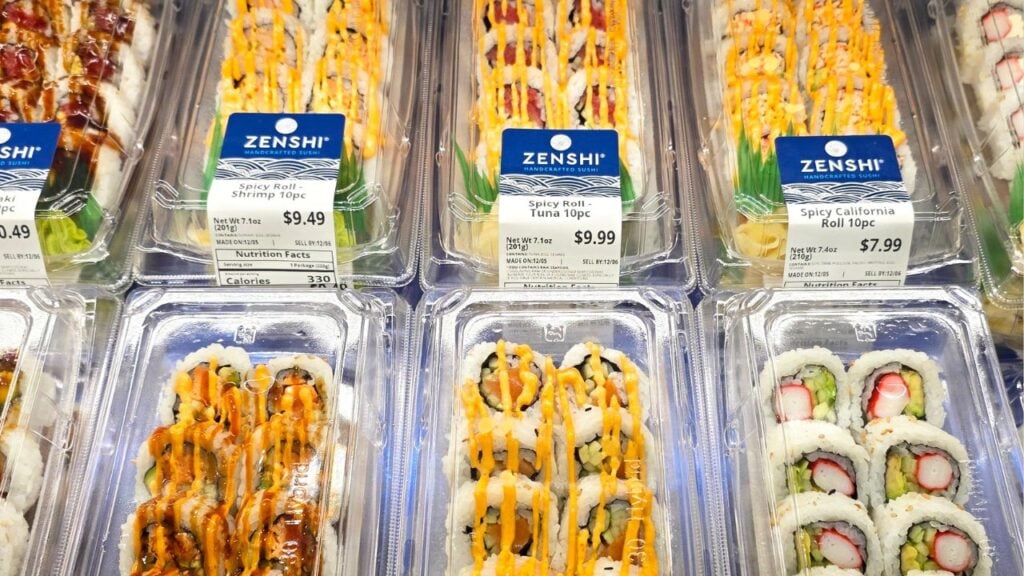
Some Tennessee shoppers pass two closer grocery stores to reach a Publix parking lot.
A handful of counters inside earn that longer drive, and the seafood case keeps a sushi chef rolling fresh selections all day.
5 Publix Finds Tennessee Shoppers Drive Out of Their Way For
9 Tennessee Roadside Stops Locals Still Pull Over For
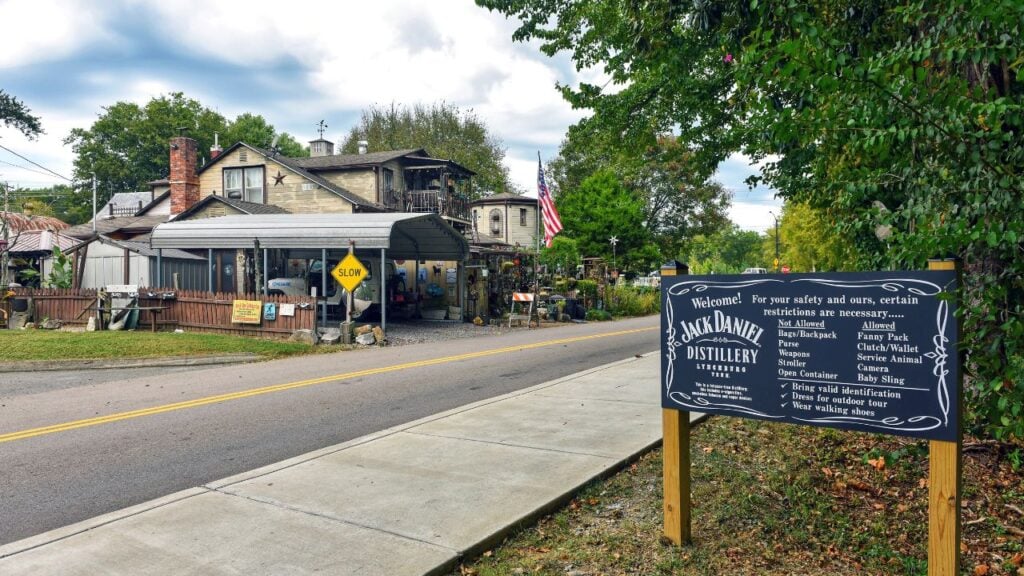
Hundreds of feet under McMinnville, a band plays a full concert inside a cave, and nobody in the crowd blinks.
Tennessee's two-lane roads hold stranger stops than a cave concert, and locals still hit the brakes for them.
