
7 Signs Someone Grew Up in Eastern North Carolina

Your weekend plans start with a ferry schedule, and you don’t think twice about it.
Nobody had to teach you that.
Here are the signs someone grew up in eastern North Carolina.
1. Whole-Hog Barbecue
A museum history of barbecue describes the eastern style as whole hog, chopped, with a vinegar-based sauce that has no tomato in it.
No ketchup.
That sauce is some combination of vinegar, peppers, and lard or butter, and the museum says it has changed little since the early to mid-1800s.
The same history dates the Piedmont version to around World War I, when stands began cooking loins, hams, and shoulders and adding ketchup to the sauce.
In 2020, it says, Goldsboro’s Wilber’s and Ayden’s Skylight Inn were both still cooking whole hogs all night over oak embers.
What Counts as Eastern North Carolina
Eastern North Carolina in this list means the Coastal Plain, the region between the Atlantic Ocean and the Fall Line.
That region makes up about 45 percent of the state’s total land area.
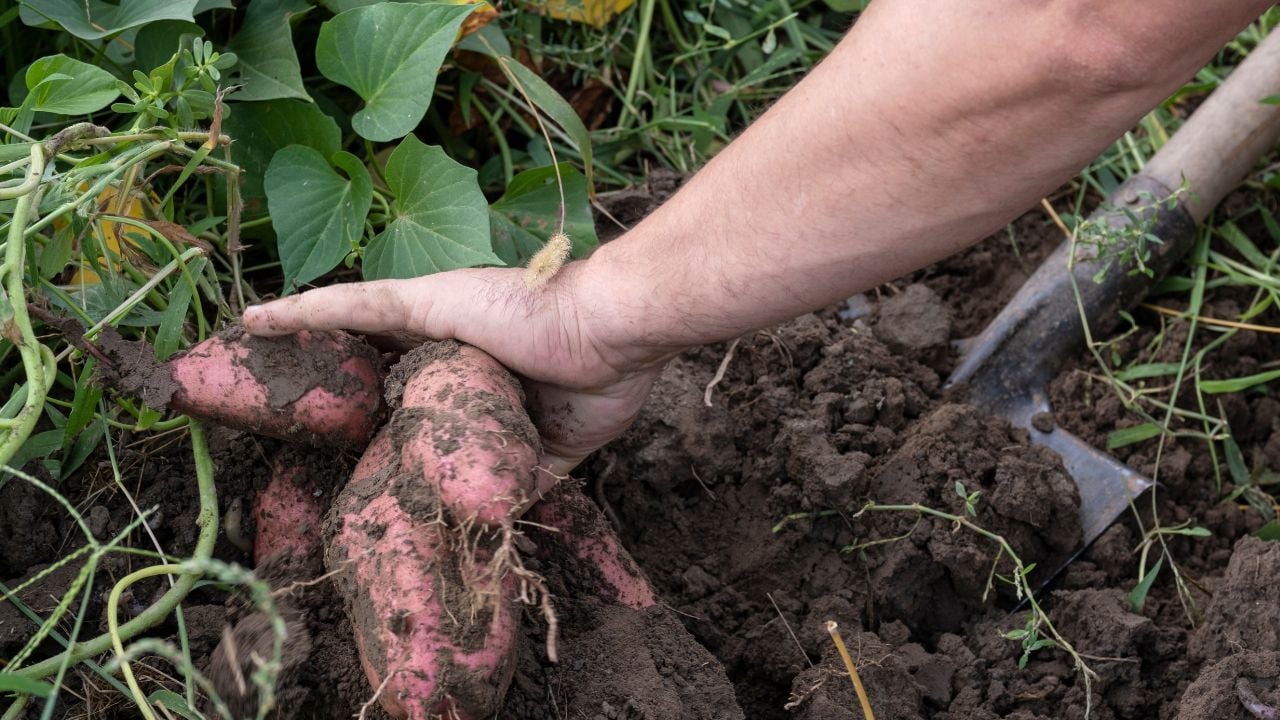
2. Sweet Potato Country
The executive director of the North Carolina SweetPotato Commission, speaking on an NC State podcast, named Wilson, Johnston, Nash, Edgecombe, and Sampson as the state’s largest sweet potato counties.
The Nash County Extension center names Nash, Wilson, Johnston, and Sampson among eastern North Carolina’s leading sweet potato producers.
The same commission director said sweet potatoes can grow in 50 to 60 of the state’s 100 counties, but the largest production is along the 95 corridor.
The same Extension page says North Carolina has been the nation’s leading sweet potato producer for over 40 consecutive years.
In 2016, the state produced 54 percent of the nation’s sweet potatoes.
3. Ferry Rides
North Carolina runs the second largest state-run ferry system in the United States, according to the North Carolina Department of Transportation (NCDOT).
About 800,000 vehicles and 1.8 million passengers cross the rivers and sounds of eastern North Carolina on those ferries each year.
Two of those routes, Hatteras-Ocracoke and Ocracoke-Cedar Island, are officially part of the Outer Banks National Scenic Byway.
4. Tobacco Farming
After the bright-leaf curing process was developed on a Piedmont plantation, a state highway marker says, farmers in the coastal plains adopted it and built curing barns by the hundreds.
An NC State profile calls the sandy soils of the Coastal Plain and Northern Piedmont counties in the eastern part of the state ideal for tobacco.
To see that farm life up close, you can visit Kenly’s Tobacco Farm Life Museum, a state site.
It explores eastern North Carolina’s agricultural history in a 6,000-square-foot exhibit gallery and education space.
The grounds have six historic and recreated 20th-century structures.
A nonprofit friends group supports the museum and aims to preserve the history and heritage of the flue-cured tobacco farm family.
5. Oyster Season
Walter magazine, in a Vivian Howard recipe piece, says lots of people in eastern North Carolina host oyster roasts or steams at home, a popular late-fall thing to do.
In the Brunswick County town of Varnamtown, Dixon Chapel United Methodist Church held its 60th annual oyster roast, according to NC Sea Grant’s Coastwatch magazine.
Some 800 people ate 158 bushels of oysters at that roast, which Coastwatch said was held every first Saturday in November.
State rules set oyster season as October 15 through March 31, unless closed earlier by proclamation.
According to the Encyclopedia of North Carolina entry on shellfish, oystermen in Carteret, Dare, Hyde, Onslow, and Pamlico Counties created 52,000 acres of licensed private oyster gardens.
That followed an 1858 state procedure letting citizens enclose up to 10 acres of oyster bed under a license from their local court.
6. Ocracoke Brogue
The Ocracoke brogue is an Outer Banks dialect that NC State linguist Walt Wolfram began studying in the 1990s.
The island’s speech even has a book, Hoi Toide on the Outer Banks: The Story of the Ocracoke Brogue.
Ocracoke’s brogue includes “meehonkey” for hide and seek, and “slick cam” for calm water.
7. Hog Country
Public Radio East reported in September 2025 that eastern North Carolina is a national leader for hog and poultry operations.
WHQR reporting carried by Public Radio East said Duplin and Sampson counties are home to about half the state’s hogs.
According to the North Carolina Pork Council in 2018, most of the state’s more than 2,000 permitted hog farms were in eastern North Carolina.
The council says the industry grew in the late 1980s and early 1990s as tobacco farmers were encouraged to diversify.
The 2022 Census of Agriculture ranked North Carolina second in hog and pig production value.
Psst! How much do you know about the Outer Banks? Take our quiz and see how many you can get right.
Quiz
Outer Banks Trivia
Answer these questions on the Outer Banks coast. We bet you can’t get them all right. Prove us wrong?
On December 17, 1903, who took the first turn at the controls at Kitty Hawk?
Hurricane Season in the East
The Atlantic hurricane season runs through November 30.
North Carolina's coast is one of the nation's most vulnerable areas to a direct hurricane strike, according to the state's ReadyNC hurricane page.
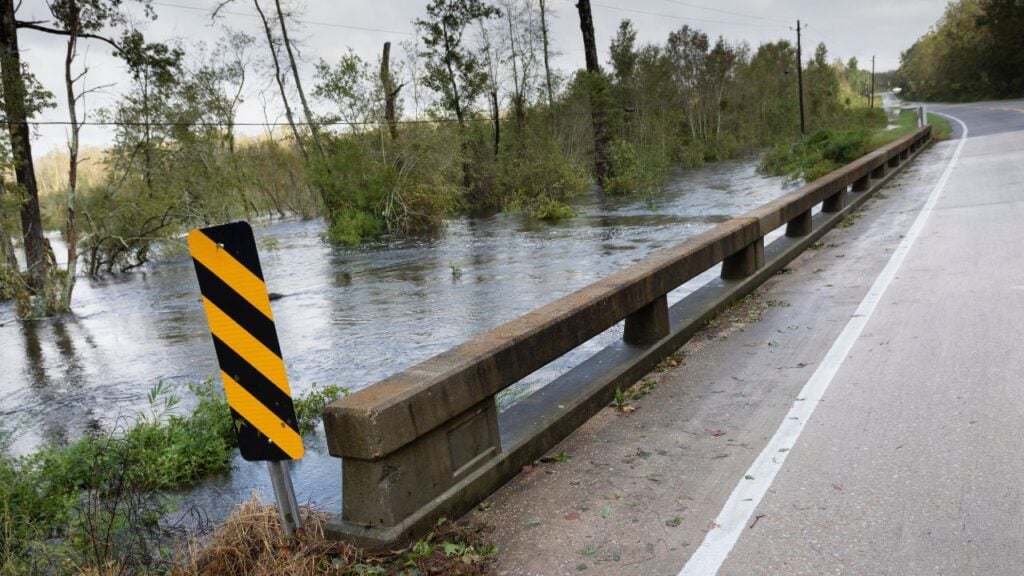
Most hurricane damage is caused by flooding, not winds.
Hurricane Floyd largely destroyed Princeville in 1999 when the Tar River poured over the town's levee.
Hurricane Matthew's flooding in 2016 hit Robeson, Edgecombe, Cumberland, and Wayne counties especially hard.
ReadyNC's "Before" list tells people to put fuel in all vehicles and withdraw some cash from the bank.
Many people who grew up in the region often fill the tank early when a storm heads toward the coast.
Ferry Tolls Ahead
As of mid-October, a 2026 state law requires the Ferry Division to begin collecting tolls on all routes by January 1, 2027.
As of mid-October, three vehicle routes already charge tolls: Cedar Island-Ocracoke, Swan Quarter-Ocracoke, and Southport-Fort Fisher.
Under the 2026 law, tolls will also be required on four vehicle routes that don't charge them now: Currituck-Knotts Island, Hatteras-Ocracoke, Bayview-Aurora, and Cherry Branch-Minnesott Beach.
On October 8, 2026, NCDOT presented its recommended rates to the Board of Transportation, which also asked the General Assembly to delay tolling.
The board is scheduled to consider adopting the rates at its November 5 meeting. Its resolution asks for a delay until at least April 1, 2027, Norfolk station WTKR reported.
If you drive a vehicle under 20 feet onto the Hatteras-Ocracoke ferry, the recommended base rate is $10 each way.
NCDOT's recommended base toll is $7 each way on Currituck-Knotts Island, Bayview-Aurora and Cherry Branch-Minnesott Beach.
12 North Carolina Weather Records That Still Stand Today
Some weather records fall every few years.
Here's a look at some North Carolina records and the weather behind them.
12 North Carolina Weather Records That Still Stand Today
7 Things That Change the Second You Cross From North Carolina Into South Carolina
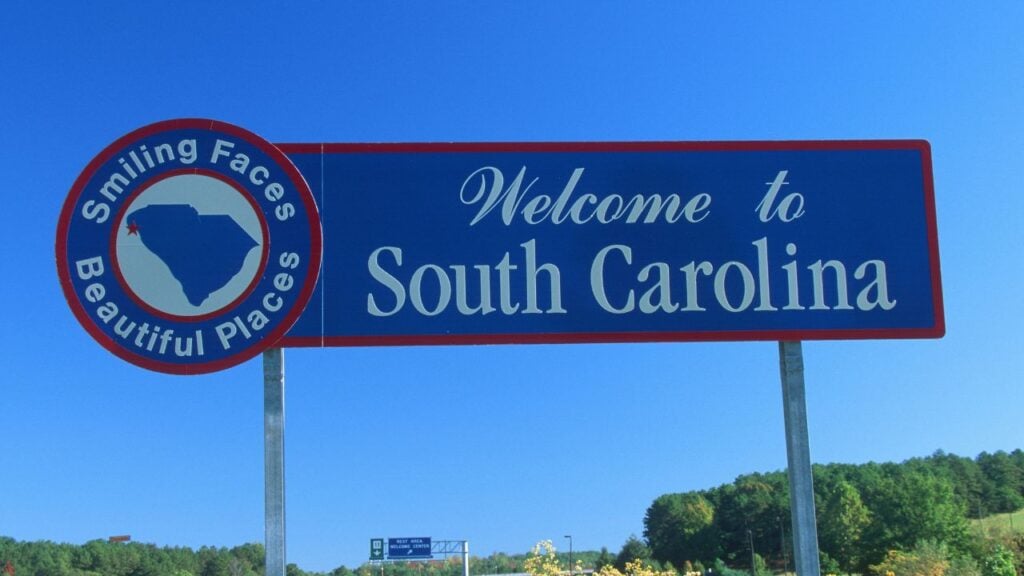
The road looks the same when you cross into South Carolina.
North Carolinians who make the drive may be surprised by what's different on the other side.
7 Things That Change the Second You Cross From North Carolina Into South Carolina
