
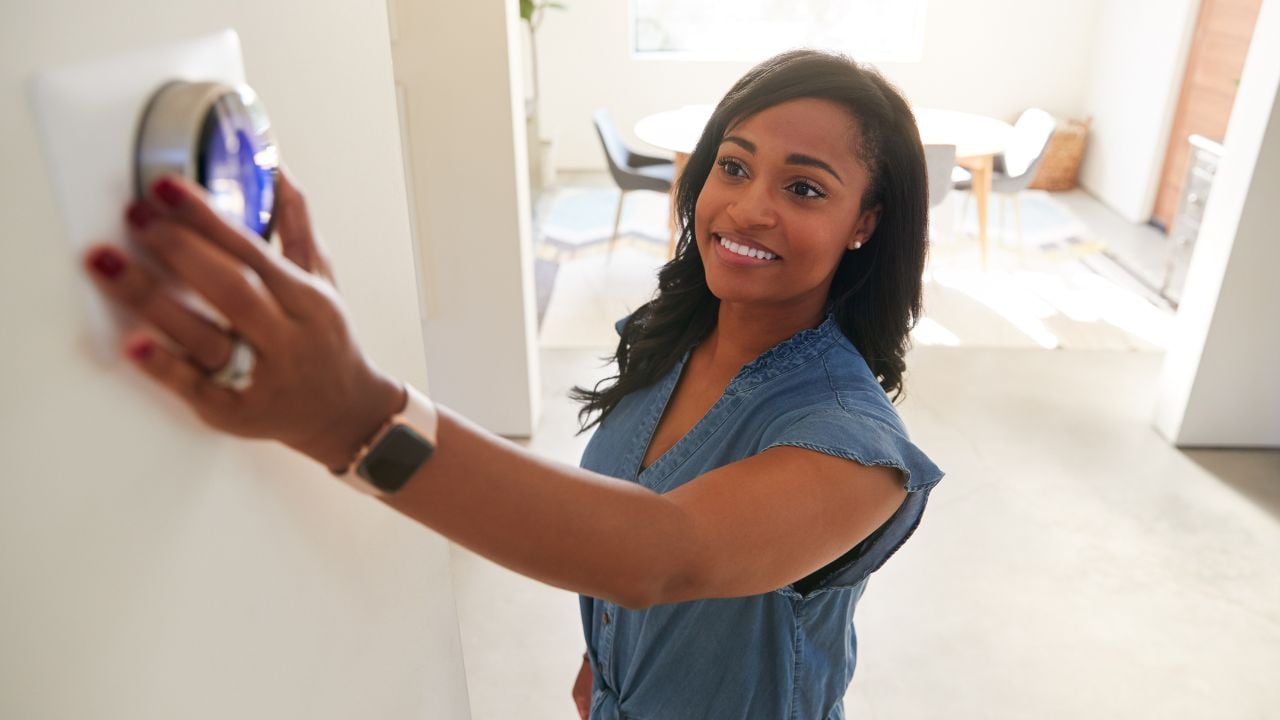
7 Smart Thermostat Settings Minnesota Homeowners Should Set Before Winter

Thermostats nowadays are smarter than they used to be, but only if you set them up right.
These are the smart thermostat settings Minnesota homeowners should set before winter.
Note: This is general information, not financial advice. Rebate and bill-credit amounts are subject to change, so confirm current figures with Xcel Energy.
1. Deeper Night Setbacks
A smart thermostat wastes savings when it holds one flat temperature all night.
A programmed night setback pulls the temperature down 7 to 10 degrees for the hours everyone’s under a blanket anyway.
The schedule raises the temperature back up on its own before the alarm goes off.
Nobody notices.
ENERGY STAR, the federal efficiency label, won’t put its mark on a smart thermostat without proof.
The maker has to show at least an 8% cut in heating runtime, checked against a year of data from hundreds of customers’ homes.
The same Cold Weather Rule that keeps a Minnesota furnace running also requires a customer to keep a payment plan current to stay covered.
An 8% cut across a full Minnesota heating season translates into a noticeable dent in a winter gas or electric bill.
A homeowner who programs the setback once never has to think about the thermostat again until spring.
What ENERGY STAR Certification Requires
A smart thermostat isn’t automatically ENERGY STAR-certified just because it connects to Wi-Fi.
The label only goes on a model whose maker submitted a year of household data and proved the runtime cut.
A thermostat that just connects to an app, with no proven savings behind it, doesn’t qualify.
Check for the ENERGY STAR mark before assuming a smart thermostat earns any utility rebate tied to it.
2. 55°F Away Floor
Homeowners who let a smart thermostat coast too low while they’re away risk more than a cold house.
Many connected thermostats let a homeowner set a minimum floor for away or vacation mode.
The system won’t drop below that number, no matter how hard it’s trying to save energy.
Insurers name a floor: 55°F.
State Farm includes that 55°F figure in its vacation-prep guidance for homeowners heading out of town.
A pipe running through an exterior wall or an unheated space carries the highest risk of freezing once the house drops any colder than that.
Minnesota winters turn that advice from a courtesy into a requirement.
Temperatures across the state drop below zero on a regular basis once January sets in.
A furnace that shuts off during one of those stretches can let pipes freeze in a matter of hours.
Set the floor once, and every energy-saving mode still respects it.
3. Winter Humidity Targets
A smart thermostat paired with a whole-home humidifier lets a homeowner dial in a target relative humidity instead of guessing at a dial in the basement.
That setting matters more in Minnesota, where homes fight a humidity problem many warmer states never deal with.
University of Minnesota Extension puts the winter target at 25%.
Twenty-five percent is low.
That’s lower than the 30% to 50% range many general guides recommend.
The reason comes down to the gap between indoor and outdoor air.
Once the temperature outside drops well below zero, warm indoor air holding much more moisture than that starts condensing on cold window glass.
That moisture can freeze into ice on the inside of the pane by morning.
Set the target too high, and a homeowner ends up scraping frost off the inside of their windows.
4. Location-Based Geofencing
A smart thermostat doesn’t need a fixed schedule to know when a house is empty.
Many connected models offer geofencing, a setting that tracks a paired phone’s location and switches the system to Eco mode the moment everyone leaves a set radius around the house.
The system recovers on its own, too.
It starts warming the house back up as soon as a phone crosses back into range, so nobody walks into a cold living room after a grocery run.
A fixed schedule can’t adjust for a snow day, a delayed commute, or an unplanned trip.
Geofencing does.
Psst! How much do you know about the smart thermostat on your wall? Take our quiz and see how many you can get right.
Quiz
Thermostat Time Machine
Answer these questions on thermostat history and Minnesota’s wildest cold snaps. We bet you can’t get them all right. Prove us wrong?
What Twin Cities company invented the iconic round wall thermostat now held in the Smithsonian’s design collection?
5. Backup-Heat Lockout Points
A smart thermostat paired with a heat pump needs a setting many furnace-only households never touch.
A heat pump pulls warmth out of outside air, and that gets harder as the outdoor temperature drops.
The thermostat lets a homeowner set the outdoor temperature at which the system hands the job to backup heat instead.
That backup is usually an electric strip or a gas furnace working alongside the heat pump.
That number is the lockout point.
Minnesota's energy code lists a winter design temperature of -17°F for the Twin Cities, with Duluth and International Falls colder still.
Get it right.
A lockout point set too high sends the job to backup heat on nights the heat pump could have handled alone.
Running backup heat costs more than running the heat pump.
A lockout point set too low leaves the heat pump straining on a subzero night instead of handing off.
A heating contractor can confirm the right number for a given system.
6. Low-Temperature Freeze Alerts
A smart thermostat left running during a holiday trip can flag a problem long before a homeowner walks back into a cold house.
Many connected thermostats let a homeowner set an indoor-temperature threshold that triggers a push alert straight to a phone.
Drop that threshold too low, and a homeowner finds out about a dead furnace only after coming home to it.
Set it around 45°F to 50°F instead.
Every minute counts.
A furnace failure would just mean a chilly house for a few days in a milder state.
In Minnesota, the same failure turns into a burst pipe fast once the outdoor temperature drops below zero.
An alert gives a homeowner, or the neighbor with a spare key, enough warning to catch it early.
7. Runtime Filter Reminders
Many smart thermostats track actual system runtime and send a filter-change reminder based on those logged hours instead of a generic 90-day guess.
That runtime tracking matters more for a Minnesota furnace, which works harder over a season than one in many milder states.
A furnace running close to six months straight, inside the Cold Weather Rule's protected window, clogs a filter faster than the same furnace would where the heat barely turns on.
A clogged filter forces the system to strain, which drags down efficiency and shortens the equipment's life.
None of that is cheap.
A homeowner who turns the runtime alert on before the season starts never has to remember a filter date again.
What Xcel Pays Minnesotans
Xcel Energy pays Minnesota customers money for a connected smart thermostat, on top of whatever the equipment already saves on its own.
A qualifying ENERGY STAR-certified smart thermostat earns a $50 rebate on its own.
That adds up too.
Enroll that same thermostat in Xcel's AC Rewards program, and the company adds a $100 credit on the next bill.
It's $25 a year after that, for as long as the thermostat stays connected.
AC Rewards is built around summer, when Xcel occasionally adjusts a connected thermostat by a few degrees on the hottest afternoons to ease strain on the grid.
A homeowner doesn't have to wait for summer to enroll, though.
Enrolling before winter locks in that $25 yearly credit well before the next heating bill arrives.
9 Popular Home Trends That Make No Sense in Minnesota's Climate
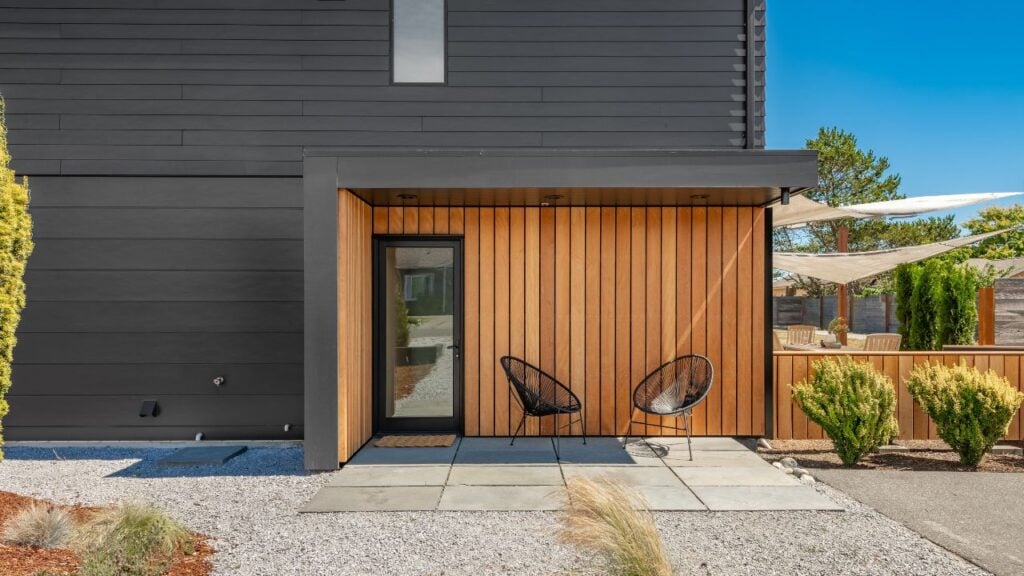
Minnesota's weather swings from 115 degrees above zero to 60 below, with the Twin Cities piling on about 54 inches of snow in a typical year.
Builders sell the same handful of national home trends to every homeowner, and many of them fall apart fast against a swing like that.
9 Popular Home Trends That Make No Sense in Minnesota's Climate
7 Boat Ramp Rules That Confuse First-Time Minnesota Visitors
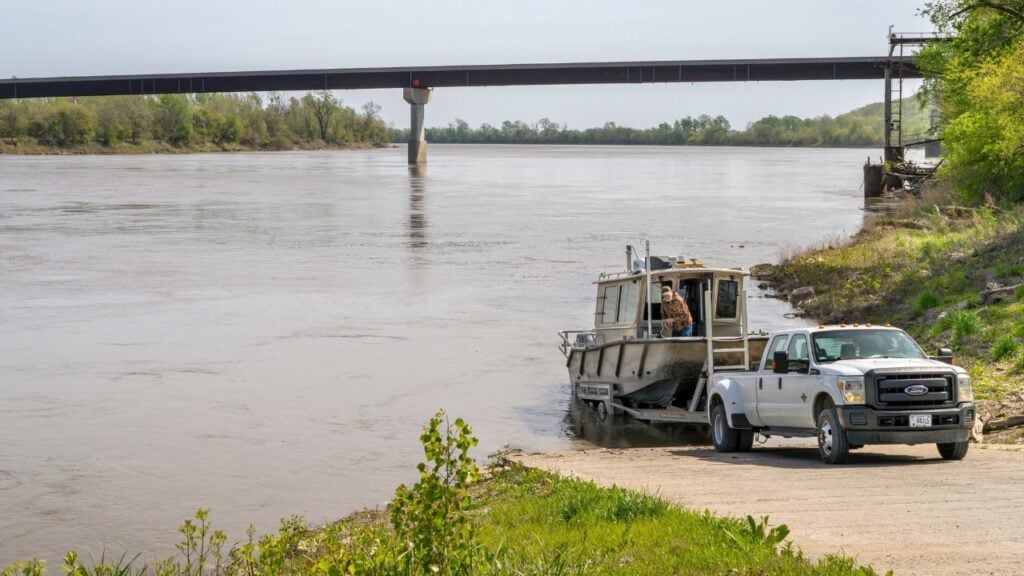
Minnesota's Department of Natural Resources (DNR) runs more than 450,000 watercraft inspections a year at the state's public boat launches.
A first-timer backing a trailer down a Minnesota ramp runs into rules that never came up back home, and some of them start before the boat touches water.
7 Boat Ramp Rules That Confuse First-Time Minnesota Visitors
