
7 Things Floridians Can Be Fined for in Their Yard

A raccoon shows up at your back door, and you toss it a snack.
It feels harmless.
But that could get you a fine in Florida. Here’s why, along with other things that you can get fined for doing in your yard.
Note: This is general information, not legal advice. Yard rules and fine amounts vary by city and county and are subject to change.
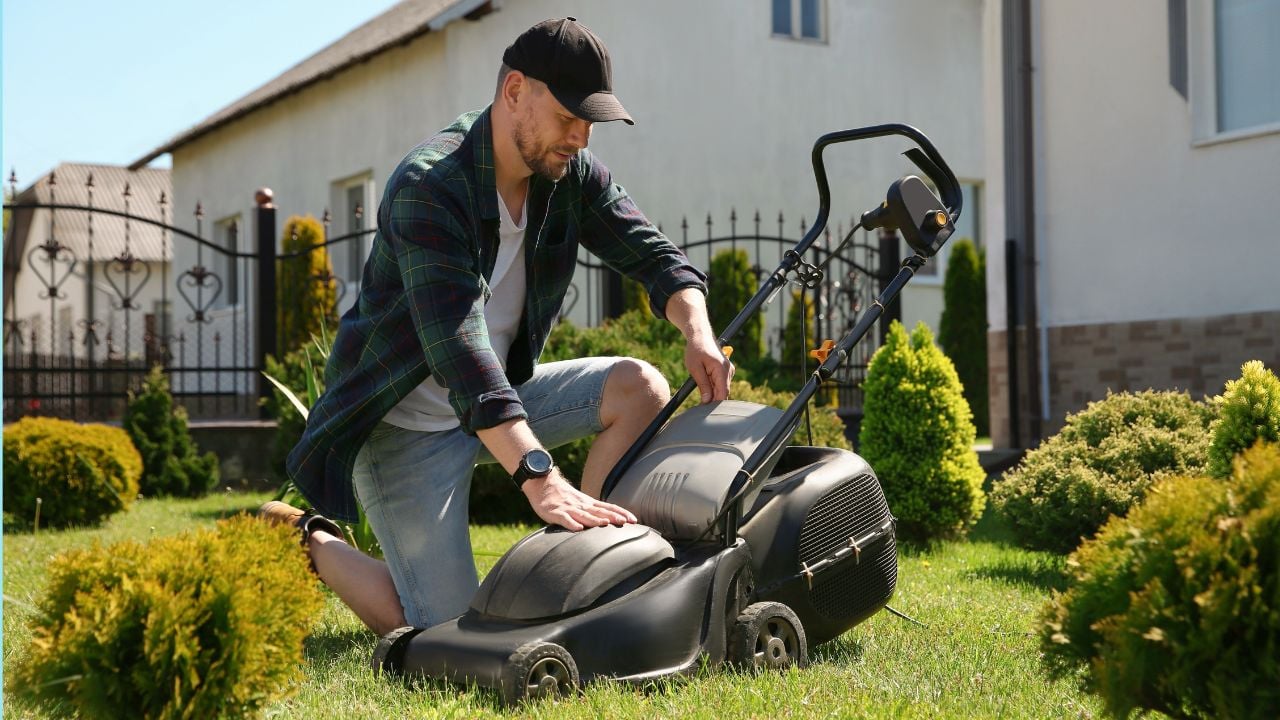
1. Overgrown Grass
A lawsuit over Dunedin’s 2018 fines put one homeowner’s tall-grass bill at $29,833.50.
The city’s rules at the time covered grass taller than 10 inches.
A federal judge in the Middle District of Florida ruled in 2021 that the homeowner had to pay the fines.
City officials defended the fines by saying the homeowner was a repeat violator in 2015.
The limit?
Your limit depends on your city’s code.
Hollywood, Florida, sets it at eight inches, while Bartow sets it below 12 inches.
Cape Coral sets the same 12-inch limit for grass.
In 2024, Cape Coral’s council approved civil fines for violations that include obnoxious growth.
The first penalty was $150, and a second violation within a year cost $500.
How Much a Florida Code Board Can Fine
Florida’s code enforcement law lets a city or county board fine you up to $250 a day for a first violation.
A repeat violation can cost you up to $500 a day.
A violation that can’t be undone can cost you up to $5,000.
For a repeat violation, the inspector still notifies you but isn’t required to give you a reasonable time to correct it first.
Cities and counties with 50,000 or more people can vote to let their boards fine even more.
2. Watering Days
As of October 2026, Pinellas County Utilities is required to issue a $193 citation for any violation of its yard watering restrictions.
The fine doubles with each additional violation.
Pinellas County Utilities stopped allowing warnings after April 17, 2026.
The Southwest Florida Water Management District’s water shortage order covers all of Citrus, DeSoto, Hardee, Hernando, Hillsborough, Manatee, Pasco, Pinellas, Polk, Sarasota and Sumter counties.
It reaches parts of Charlotte, Highlands, Lake and Marion counties.
The district extended the order through March 31, 2027, with no changes to the restrictions.
Local utilities are to keep issuing citations first, with no warning.
Pinellas County Utilities splits its schedule by whether your address ends in an odd or even number and by which side of State Road 580 you live on.
If a different utility supplies your water, contact that provider for its rules.
Sarasota County’s unincorporated areas fine $100 to $500, while the City of Venice starts at $75 for a first offense.
3. Lawn Fertilizer
In unincorporated Hillsborough County, breaking the fertilizer ordinance in your yard can result in warnings and penalties of up to $500.
The City of Tampa has a different but similar ordinance.
The ordinance applies to you as a homeowner, not just to lawn companies.
Hillsborough County Code Enforcement enforces it.
From June 1 through September 30, you can’t put fertilizer with nitrogen or phosphorus on your landscape unless the ordinance exempts it.
Fertilizer can’t go on within 10 feet of any surface water.
It can’t go on while it’s raining, or within 36 hours before a rain of 2 inches or more is likely.
A flood, tropical storm or hurricane watch or warning for any part of the county rules it out.
4. Feeding Wildlife
State law sets a $100 civil penalty for a first violation of the rules on feeding wildlife, including food you leave out in your yard.
The Florida Fish and Wildlife Conservation Commission’s rules bar feeding pelicans, sandhill cranes and non-human primates.
They bar you from putting food out in a way that attracts black bears, coyotes, foxes and raccoons.
A separate rule bars feeding alligators and crocodiles.
If every violation involves wildlife other than bears, alligators or other crocodilians, a second or later violation is a second-degree misdemeanor.
If every violation involves bears, alligators or other crocodilians, the penalties increase with each violation.
A second violation is a second-degree misdemeanor, and a third is a first-degree misdemeanor.
A fourth or later violation is a third-degree felony.
5. Parked Vehicles
In Lantana, a homeowner was fined $250 a day for parking with her outer wheels touching the lawn.
The parking fines alone came to more than $100,000.
The Florida Supreme Court declined to hear her appeal in December 2025.
In Boca Raton, parking on the grass costs you a $50 minimum civil penalty.
An unscreened recreational vehicle, boat or trailer in a residential district costs you the same.
A wrecked or inoperable vehicle on private property carries a $75 minimum.
6. Beachfront Lights
Volusia County’s Code Enforcement Board can order a one-time or daily fine over beachfront lights that violate the county’s sea turtle lighting ordinance.
It can go as far as a lien on your property.
Staff try to work with a property first.
If more action is needed, a certified notice of violation goes out before a Code Enforcement Board hearing.
The ordinance applies during nesting season, May 1 through October 31, whether or not a nest is near your property.
The county’s FAQ says any light a person standing on the beach can see violates the ordinance.
Red or amber bulbs aren’t automatically compliant.
The county recommends turning a light off only if it’s purely decorative.
7. Mangrove Trimming
Florida law bars you from trimming or altering a mangrove without a permit, unless the trimming meets criteria the law sets.
A first violation falls under the state’s general environmental penalty laws, which let a court impose a civil penalty of up to $15,000 per offense.
A second or later violation adds up to $100 for each mangrove illegally trimmed or up to $250 for each mangrove illegally altered.
The landowner and the person doing the trimming are both subject to penalties.
The law presumes any violation happened with the knowledge and consent of the owner or anyone else in charge of the property.
The burden is on you.
You can rebut that presumption by showing you didn’t authorize the work.
Psst! How much do you know about yard fines? Take our quiz and see how many you can get right.
When Fines Stop Accruing
Code enforcement fines on your yard keep growing until you come into compliance or a court enters judgment in a suit filed under the law.
A board weighs the gravity of the violation, what you did to correct it and any previous violations when it sets the amount.
Boards can reduce fines.
In 2025, Cape Coral’s council added an appeal process that lets owners ask a special magistrate to reduce or eliminate fines and liens.
Among the requirements, your property taxes must be current and the violations corrected.
A certified copy of the fine order can be recorded in the public records, where it becomes a lien on the land and on other property you own.
The Dunedin homeowner sued in May 2019 after the city sought to foreclose on his home to collect the fines.
State law bars foreclosing a code enforcement lien on a property that qualifies as a homestead.
13 Florida Problems Floridians Pretend Don’t Exist
Few of these Florida problems make it onto travel blogs.
These are the problems many locals prefer to pretend don’t exist.
13 Florida Problems Floridians Pretend Don’t Exist
10 Florida Nicknames That Confuse Everyone Who Isn’t From Here

Florida’s nicknames often come with grand stories.
Here’s what they mean, so you’re never the one left asking where.
10 Florida Nicknames That Confuse Everyone Who Isn’t From Here
