

7 Things That Fail a Maryland Safety Inspection Before a Car Can Be Sold

Selling a used car is a hassle even when everything goes smoothly.
Marylanders usually need a safety inspection first, and a single problem can mean a failed result.
Here’s what inspectors flag, so you can catch it early.
Note: This is general information, not legal advice. Stations set their fees, so confirm the current requirements and costs with the State Police or the Motor Vehicle Administration before you book.
1. Worn Tires
A safety inspection fails a car on tires worn to less than 2/32 inch of tread in any major groove.
A worn spot that exposes the cord fails your car.
Tread cuts, snags and sidewall cracks count when they’re deep enough to expose the cords.
Bumps, bulges or knots that point to a tire coming apart get the car rejected.
Your tires have to match, with the same type of construction on each axle, and radials all around if the car rides on radials.
A tire with grooves recut deeper than the factory depth fails unless the Transportation Article authorizes it.
Your receipt lists what needs to be fixed.
2. Weak Brakes
Your brake pedal fails the inspection when less than a third of its travel is left under moderate foot force.
It also has to hold its height for one minute.
Brake linings fail at less than 2/32 inch at the thinnest point if they’re bonded, or at less than 1/32 inch above the rivet head if they’re riveted.
Leaks from the master cylinder or a wheel cylinder fail the car.
If your car has a brake warning light, the bulb can’t be burned out, and the light can’t come on when you press the pedal.
Your parking brake has to hold the car on any grade you drive it on.
The sale has to wait.
3. Loose Steering and Suspension
Inspectors measure how far your steering wheel turns before the front wheels move.
On a rack-and-pinion system, the limit is 0.4 inch (10 mm).
Ball joints fail on movement past the manufacturer’s specifications or when someone has fitted a tightener or repair kit.
Shock absorbers fail if the car keeps rocking for two cycles after release or if they leak enough to affect stability.
Springs are rejected when one is broken or a coil spring has more than two spacers fitted.
Alignment fails the car once side slip passes 30 feet per mile.
4. Lighting Failures
One burned-out required bulb is enough to fail a safety inspection.
Your plate lamp must work.
Its light has to be white.
Turn signals have to indicate right or left when you switch them.
Backup lights can’t come on in any forward gear, and they have to light in reverse.
A headlamp that has a crack or hole fails.
A tail lamp fails when its lens is cracked or broken enough to emit white light to the rear.
A loose lamp assembly or reflector gets the car rejected as well.
The Maryland State Police says you won’t pay a reinspection fee for repairs the inspector can see, such as fixing an inoperable light.
Psst! How ready is your car for an inspection? Run through this checklist and see where you stand.
5. Windshield Damage and Tint
In the 8-inch-wide, 5-inch-high area in front of the driver, any crack, chip or pit over 1/4 inch fails the inspection.
A chip can be enough.
Elsewhere in the area your wipers sweep, damage fails once it’s over 1/2 inch.
Scratches from worn wiper blades fail in that area when they’re severe enough to distort your vision.
Added tint fails if it has a mirrored or one-way effect, or if it’s red, yellow or amber.
6. Exhaust System Defects
Holes in the exhaust fail the inspection, including holes from corrosion or a temporary repair.
Your car needs a muffler.
Loose or leaking seams and joints get the car rejected.
The system has to be mounted and fastened to the car, and the tailpipe end can’t be pinched or blocked.
If your tailpipe puts out continuous fumes or smoke that hide anything behind the car from a clear rear view, that fails too.
7. Damaged Seat Belts
A seat belt with frayed, split or torn webbing fails the inspection.
Your buckles have to work.
The retracting and release mechanisms must operate as well.
If an anchorage is loose, missing or badly corroded, the car fails.
The surface a belt mounts to fails when it’s badly deformed, damaged or corroded.
A belt is only as good as what it’s bolted to, so inspectors check the anchorages and the surface under them.
90-Day Certificate
Your inspection certificate is the document the state requires under the Transportation Article before it titles and registers a used car, historic vehicles aside.
It stays valid for 90 days from the date it’s issued.
If your car passes in October, your certificate has expired by February, and you’d need a new inspection.
A used car in a licensed dealer’s inventory gets a longer certificate, lasting until the earlier of six months or 1,000 more miles on the odometer.
Section 23-107 also lets the Motor Vehicle Administration withhold your title until the certificate arrives and issue a temporary registration in the meantime.
If you drive on that temporary registration, you have 60 days from its issue date to get the inspection done.
Reinspection Within 30 Days
After a failed inspection, you can make the repairs yourself, at the inspection station if possible, or at another facility.
Then you return to a licensed station for reinspection within 30 days.
If you miss that window or drive more than 1,000 miles first, you’ll pay for a full new inspection.
Covered and Exempt Vehicles
The state’s safety standards cover passenger cars, taxicabs, light trucks, vans, multipurpose passenger vehicles and Type II school vehicles.
Light trucks qualify at 10,000 pounds gross vehicle weight rating or less, so your pickup’s rating decides which standards apply.
If your car is a historic vehicle, which the law labels Class L, Section 23-107 leaves it out of the certificate requirement.
Inspection Stations and Fees
Maryland has approximately 1,600 licensed stations for vehicle safety inspections.
The Motor Vehicle Administration says each station sets its fee, so the price you pay depends on where you book.
Each station also has to display its inspection fee, so you can compare before you go.
6 Chimney Mistakes That Can Start a House Fire in Maryland
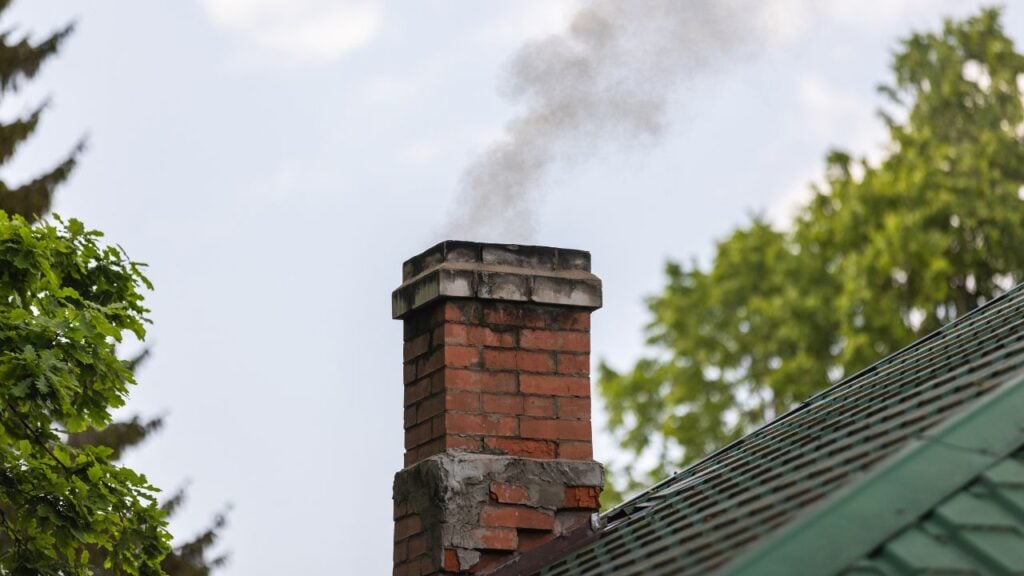
A chimney that looks fine can still cause trouble.
In Baltimore’s older rowhouse blocks, neighbors can even share the wall their chimneys are built against.
6 Chimney Mistakes That Can Start a House Fire in Maryland
9 Heirlooms Maryland Families Fight Over More Than Money
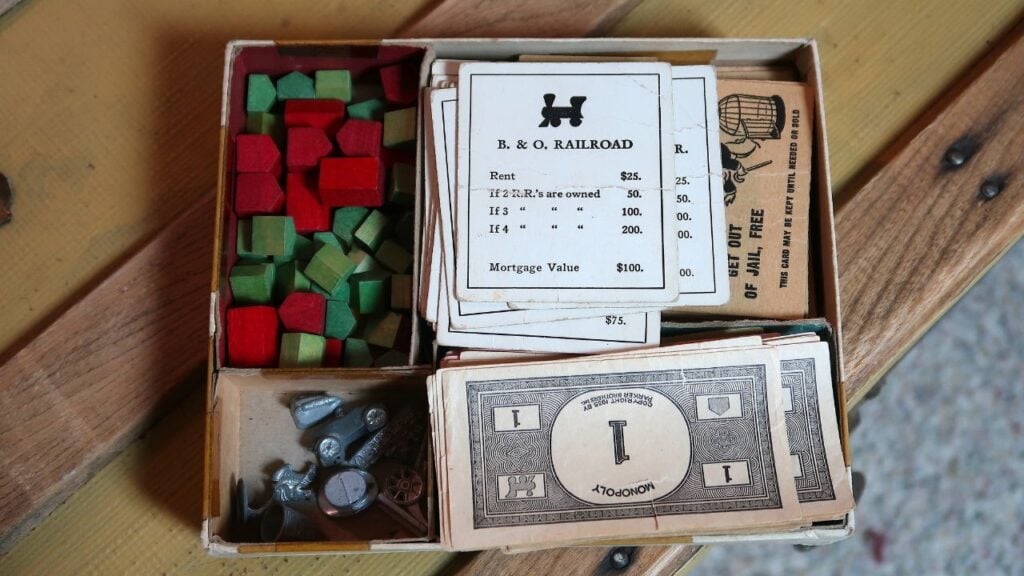
Some heirlooms start more family arguments than money does.
The list opens with a Baltimore Album Quilt.
