
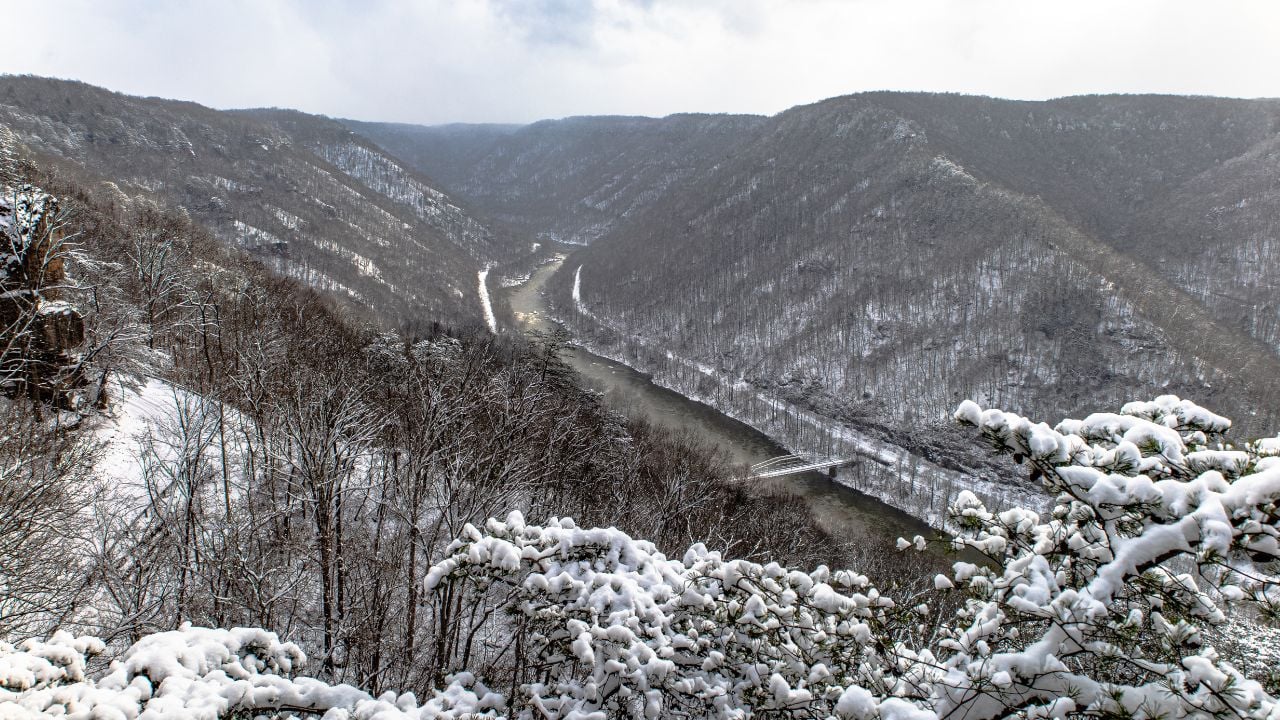
7 Things West Virginians Do When the First Snow Hits the Hollow

Snow in the forecast means a bread and milk run, and West Virginians joke about it every time.
If you live up a hollow road, the first snow comes with a whole routine.
Here’s what West Virginians do when the first snow hits the hollow.
1. Checking WV511
Before a snowy drive, the West Virginia Division of Highways (WVDOH) points drivers to WV511 for road conditions.
When the first snowfall of the 2020 season arrived, WV511 advised drivers to reduce speed and allow extra drive time.
Fayetteville dispatchers said that morning that all the side roads were slick.
Check before you go.
A 2019 WVDOH release listed the WV511 website and its DriveSafe app, so you can check conditions before you leave.
2. Staying Home for the Plow
If your road is a secondary route, back-to-back snowstorms can mean a wait for the plow.
During back-to-back storms, WVDOH said in 2019, crews stay on priority one routes before plowing the secondary routes.
People along those secondary routes could wait 24 to 48 hours.
That’s a long wait.
Interstates and other Priority 1 routes come first.
Crews move on to the secondary routes in Priority 2 and 3 once those are passable, WDTV reported in 2024.
Mercer County saw around three to four inches in what WVVA called the first major winter storm of the season, in early December 2025.
As of 10 a.m., a WVDOH crew chief said crews had cleared Interstate 77 and U.S. Routes 19 and 460 and were working to treat secondary roads.
Several dispatchers in the region advised residents to stay home if possible.
3. Waiting on the School Call
Ahead of the early snow forecast for Nov. 10, 2025, a WCHS-TV forecaster wrote that school delays and closings were possible.
Harrison County Schools described its process in January 2025: forecast updates first, then a check that the buses can run and the buildings have heat.
Its assistant superintendent of transportation then drives the secondary roads, and the district checks with state road crews several times a day.
Then comes the call.
A two-hour delay keeps students out of the cold while the district gets the buses and building heat ready.
The district tries to tell families as soon as it can, so you can plan your morning.
4. Slowing Down on Bridges
After a December 2025 snowfall, a WVDOH district manager said ice can form quickly on the bridges you cross.
That snow dropped 2 to 5 inches across much of north-central West Virginia and contributed to more than 20 crashes.
Crews had put down salt and brine the afternoon before, but the snow still came in fast overnight.
He told drivers to slow down and leave extra travel time.
Black pavement isn’t a given.
5. Stocking the Trunk
In November 2025, snow, slick roads and reduced visibility arrived in West Virginia.
AAA Blue Grass recommends keeping a kit in your vehicle with sand or cat litter, a shovel, a flashlight with extra batteries and extra warm clothing.
Cat litter works as grit.
In December 2025, a WVDOH district manager told drivers to carry food and water and keep a full tank of gas, since a crash can mean a long wait.
The first snow is a good time to restock your trunk.
6. Clearing the Roof
In December 2025, the West Virginia Emergency Management Division reminded drivers to clear all snow from their vehicles, roof included.
Snow left on car roofs can fly off while you drive and create dangerous situations for you and the drivers behind you.
Hoods and trunks count too.
Clear it all.
7. Bread and Milk Runs
Ahead of a January 2025 snowstorm, a Piggly Wiggly district supervisor in Parkersburg said the jokes are about bread and milk, but shoppers were buying everything.
Shoppers in Bluefield did the same in January 2026, packing carts at Grant’s Supermarket ahead of a storm.
A cashier there said bread and eggs were getting scarce, eggs especially.
The essentials included eggs, bread, milk and canned goods.
If you take daily medication, officials also encouraged stocking up on essential medications before travel got harder.
Stock up early.
How Crews Treat Gravel Roads
For snow removal, WVDOH said in 2019 that gravel roads are treated with sand or cinders, and asphalt and concrete with chemicals.
Chemicals would damage a gravel or tar-and-chip road.
On cold, dry days, crews may pre-treat the roads you drive with brine before the snow arrives.
WVDOH said in 2019 that it writes pre-winter plans for each of the state’s 55 counties and practices them before the first flake falls.
Plans come first.
Psst! How much do you know about West Virginia winters? Take our quiz and see how many you can get right.
Quiz
West Virginia Snow IQ
Answer nine questions on West Virginia snow, roads and winter prep. We bet you can’t get them all right. Prove us wrong?
According to WCHS-TV, about how much snow does Charleston average over meteorological winter, which runs December through February?
Valley Flakes and Mountain Snow
WCHS-TV says first flakes typically arrive in November across the station's viewing area, though they normally fall to the ground and melt.
In a typical year, measurable snow arrives around Thanksgiving, though recent years have run later.
For November 2025, the forecast called for the earliest measurable snow in 13 years.
Valley roads were projected to be wet, with flakes sticking to colder surfaces like grass, roofs and cartops.
Elevation matters.
If you drive into the mountains, the same forecast had at least a couple of inches, with four inches or more likely above 4,000 feet.
7 Things West Virginians Always Grab at a Gas Station Before a Mountain Drive

Before a drive up a West Virginia mountain, there's a quick stop worth making.
Many locals pick up a few things at the gas station first.
7 Things West Virginians Always Grab at a Gas Station Before a Mountain Drive
9 Things West Virginia Mail Carriers Know About a House Before Anyone Answers the Door
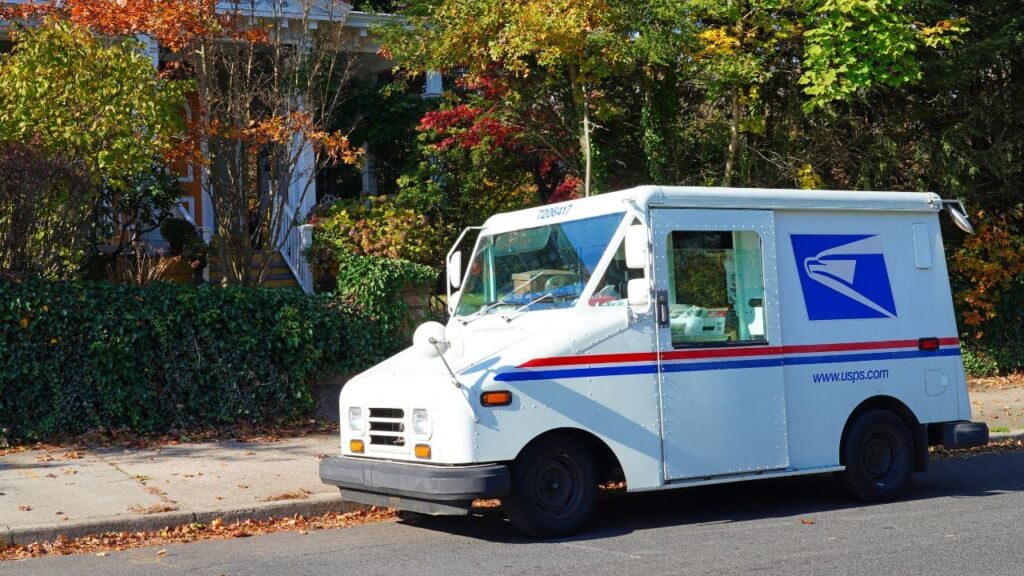
A loose dog is the obvious warning on a porch.
A mail carrier reads a lot more about a house before ever touching the steps.
9 Things West Virginia Mail Carriers Know About a House Before Anyone Answers the Door
