
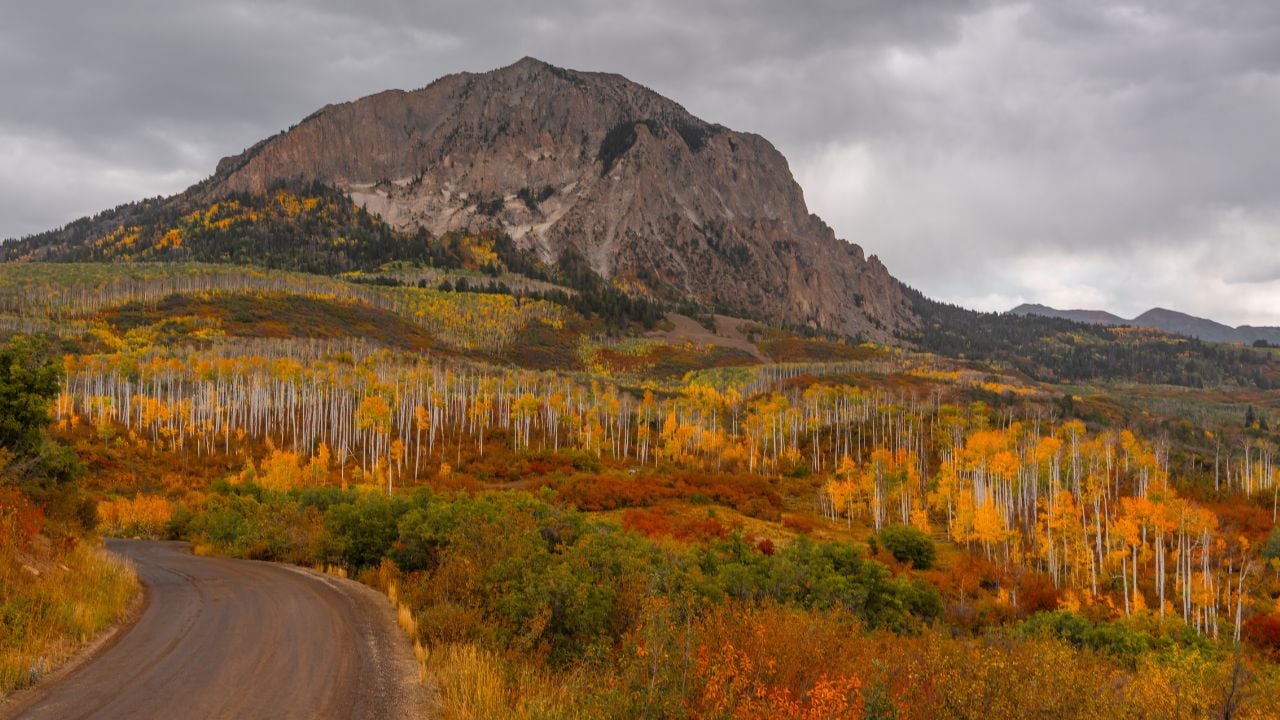
8 Aspen Viewing Mistakes That Ruin a September Drive in Colorado

Maroon Creek Road closes to unreserved private vehicles for almost five months every year. A driver in Colorado who doesn’t plan around it can lose the best part of an aspen drive before it starts.
That’s just one clock running this fall.
These are the mistakes that turn a September aspen drive into a wasted tank of gas.
1. Bringing a Trailer Over Independence Pass
Independence Pass carries State Highway 82 over the Continental Divide between Twin Lakes and Aspen, and it’s one of the prettiest ways to chase color into the high country.
Beauty comes with a catch.
Colorado’s own transportation department bans any vehicle-and-trailer combination over 35 feet on that stretch, at all times, citing the pass’s narrow, winding curves.
A pickup towing a camper can look fine on paper, and a bike rack or a hitch extension that pushes the total past that limit breaks the same rule anyway.
Measure the whole rig.
Guanella Pass and Kebler Pass don’t carry that same length ban, so a trailer that can’t cross Independence Pass usually still has a route into Colorado’s Aspen country. Just not this one.
2. Skipping the Maroon Bells Reservation
Colorado’s Maroon Bells sit behind Maroon Creek Road, and the U.S. Forest Service closes that road to unreserved private vehicles from 8 a.m. to 5 p.m. every day between May 22 and October 18, 2026.
Noon is too late.
A parking reservation runs $10 a vehicle, and the shuttle from Aspen Highlands costs $16 for adults, with $10 seats for kids and for anyone 65 and older.
Show up without either one, and the drive stops at the gate.
That’s the mistake worth fixing before the tank is even full.
3. Picking One Date for the Whole Drive
Colorado’s aspen color moves down the mountain instead of turning everywhere at once.
Higher and more northerly stands change first as the days get shorter, and lower, more southerly stands follow, largely driven by elevation and latitude.
Weather, drought, and how healthy a stand is can shift the window too.
The pace is unpredictable.
A road trip planned around one date works fine for one stop on the route and badly for the rest of it.
The Elevation Math Behind This Drive
Colorado’s Independence Pass and Kebler Pass show how far apart a single color loop’s timing can run.
Kebler Pass tops out at about 10,000 feet, and Independence Pass crests at 12,095 feet.
The town of Aspen, down in the valley between them, sits close to 7,900 feet.
A loop that touches all three points can climb more than 4,000 feet of elevation in a single day.
The high point on that loop can be past its color while the low point is only starting to turn, sometimes by several weeks, since Colorado’s color changes by elevation as the season goes.
4. Parking on the Shoulder at Guanella Pass
Guanella Pass connects Georgetown and Grant on a fully paved, 22-mile route, and its treeless summit views over golden basins are one of the best payoffs on any Colorado color drive.
That two-lane road has nowhere near enough room for the crowd it draws.
Clear Creek County bans parking within a half-mile of the summit during leaf-peeping season, and a car left on that shoulder draws an $87.50 fine or a tow, per the county sheriff’s office.
Emergency vehicles need it first.
A driver banking on a shoulder spot on a Saturday afternoon in late September usually eats the ticket instead.
Clear Creek County has also started closing the road temporarily, in short stretches, whenever the shoulders fill up anyway.
5. Underestimating Kebler Pass’s Drive Time
Kebler Pass carries a 31-mile gravel stretch between Crested Butte and Paonia, through some of Colorado’s largest aspen groves.
Colorado’s own scenic byway page flags that stretch as a special consideration on the route.
It’s not a highway.
A standard car can drive it, no four-wheel drive required, but the gravel surface and the leaf-season traffic slow the pace well below what a paved 31 miles would take.
Drivers who map the whole West Elk Loop at highway speed run out of daylight before the loop runs out of road, since the full 205-mile route takes 6 to 8 hours even without stopping for photos.
Budget the extra time before the light goes, not after.
6. Skipping the State Park Day Pass
Colorado’s Golden Gate Canyon State Park charges a vehicle day pass at its gate.
That gate stands between a driver and Panorama Point, a short walk off Raccoon Trail through some of the park’s thickest aspen stands.
The gate isn’t optional.
Colorado Parks and Wildlife charges $10 a day for a vehicle with Colorado plates, or $15 a day for a vehicle with out-of-state plates under a policy that took effect May 1, 2026.
Seven parks add a $2 surcharge on top of either rate, pushing the out-of-state total to $17: Chatfield, Elkhead Reservoir, Golden Gate Canyon, Pearl Lake, Stagecoach, State Forest, and Steamboat Lake.
A $29 Keep Colorado Wild Pass covers every park for a full year instead.
Some of the older self-pay stations still take exact cash only, not a card, so a driver planning to pay by card can get stuck outside the gate over a small fee.
Golden Gate Canyon’s own park manager has urged fall visitors to keep a backup park in mind, since the trailhead lots fill during the park’s four-week color rush of roughly 300,000 to 350,000 visitors.
7. Counting on Cell Service at Maroon Bells
The Maroon Bells Scenic Area carries no cell service once a visitor is dropped off inside it, according to the Aspen area’s own visitor guidance.
It catches people off guard.
A hiker or a dropped-off passenger without an advance shuttle reservation has no way to book a ride out once they’re standing at Maroon Lake looking at the color.
Private vehicles can drop passengers before 8 a.m., but that return trip needs a reservation made before anyone leaves cell coverage, not after.
Book the way out before booking the way in.
Psst! How much do you know about Colorado’s fall color season? Tap through these and see how many you already had right.
8. Saving the Overlooks for the Afternoon
Colorado’s high mountain passes tend to build thunderstorms in the afternoon, and the best wide shots of the color usually sit right at the treeless summit.
That’s not a coincidence.
Lightning-safety guidance used across Colorado’s high country says to get off exposed terrain before the clouds build, not after the first rumble.
A Guanella Pass or Independence Pass overlook saved for 3 p.m. can turn into a rushed U-turn instead of the panorama a driver crossed the state to see.
Morning holds the light and the sky both.
One more Colorado quirk works in a color chaser’s favor: An early, hard frost can strip a stand within days, while a mild, dry stretch can hold gold on the branch a week or two longer than an average year.
Check a pass’s most recent ranger or trail-camera update the morning of the drive, not the week before it, since that’s the difference between a grove still holding color and one already bare.
10 Things Coloradans Are Told About Their State That Aren’t True
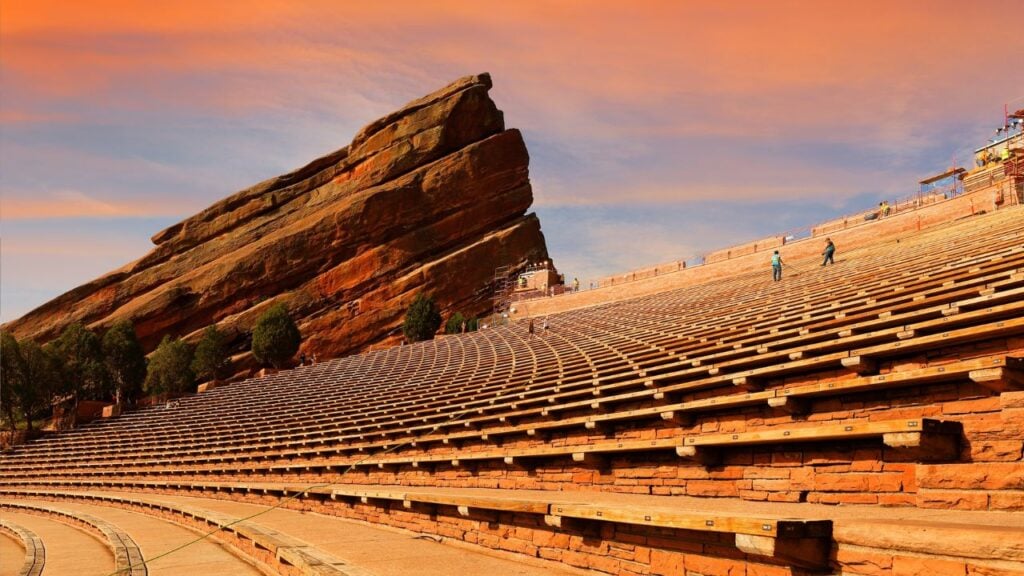
A hiker inside Rocky Mountain National Park points at a distant summit and calls it Colorado’s tallest peak.
It isn’t, and that’s just the start of what visitors and longtime Coloradans both get wrong about their own state.
10 Things Coloradans Are Told About Their State That Aren’t True
10 Things Coloradans Say That Baffle Everyone Else

A cousin visiting from out of state listens to a Coloradan describe their weekend plan and catches maybe half of it.
Coloradans pull words from ski runs, drought summers, and mining camps that closed a century ago without ever noticing they’re doing it.
