
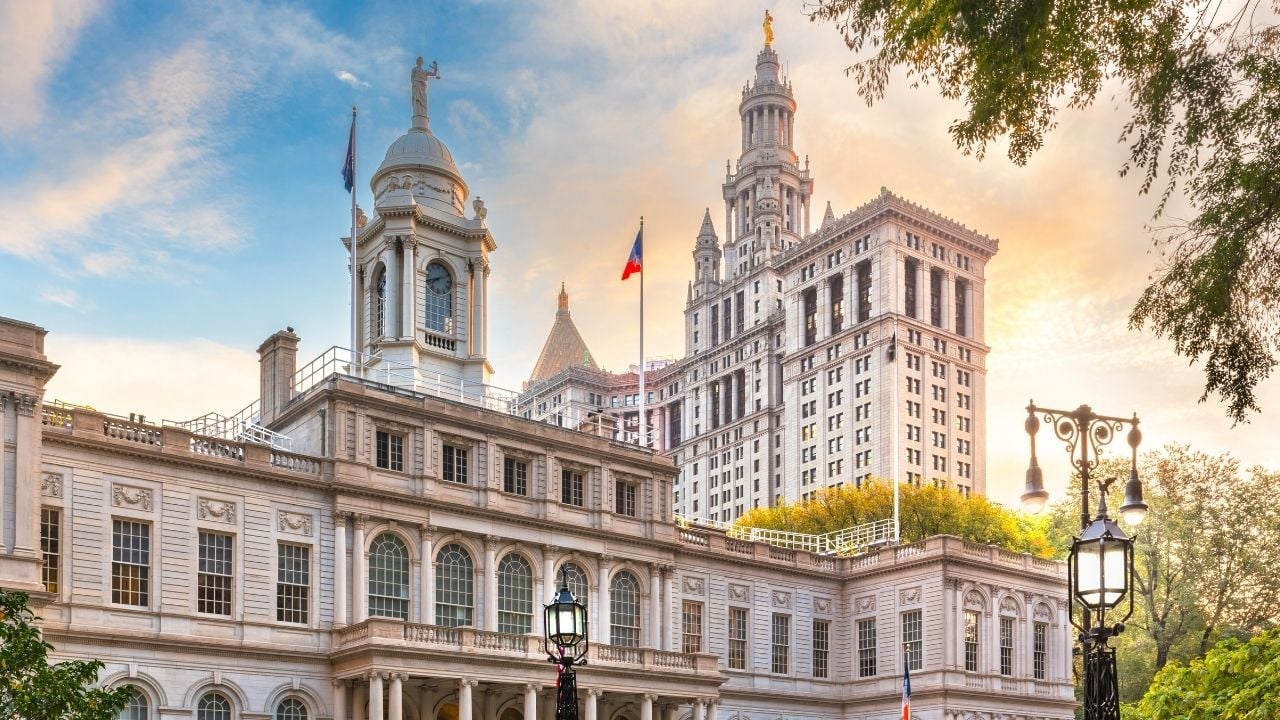
8 Powers a New York Mayor Holds That People Assume Belong to the Governor

When something big happens in New York, residents tend to look toward Albany.
But some of the most powerful decisions affecting their daily lives never make it that far.
These are the mayoral powers that many New Yorkers mistakenly assume belong to the Governor.
Note: This is general information, not legal advice. Powers and procedures can vary by each city’s or village’s own charter and are subject to change.
1. Declaring a Local Emergency
A New York mayor can declare a local state of emergency the moment a storm, a fire, or civil unrest threatens public safety, no call to Albany required.
That single proclamation does a lot more than many people expect.
Under Article 2-B of the state’s Executive Law, a mayor’s local emergency order can impose a curfew, close roads, ban travel, or order an evacuation. It can run for up to 30 days before it needs renewing.
Many New Yorkers watched a Governor announce statewide emergency orders during the pandemic and figured only Albany holds that kind of power.
That guess is wrong.
A mayor’s version only covers their own city or village, but inside those borders, it works exactly the same way.
2. Vetoing Local Laws
New York’s Municipal Home Rule Law lets a mayor veto a local law passed by the city or village board, the same way the Governor vetoes a bill from the Legislature.
State law spells out the exact mechanics.
Under the Municipal Home Rule Law’s Section 21, a mayor who disapproves a local law sends it back with written objections, and the board needs a two-thirds vote to pass it anyway.
That’s the identical threshold the state Legislature needs to override the Governor.
Residents who picture a veto as strictly a Governor’s move are missing the same ceremony playing out down at village hall.
It happens there too.
3. Naming the Police Chief
A New York mayor typically hires, and can fire, the person who runs the local police department.
In New York’s 554 villages, state law puts that call directly in the mayor’s hands, subject to the board of trustees signing off.
Cities generally follow the same pattern under their own charters, with New York City’s own police commissioner answering to the mayor’s office rather than the Governor’s.
Many New Yorkers who followed statewide police-reform and training-standards debates out of Albany assume the state also decides who runs their local department.
Albany has no vote.
State agencies still license and train New York’s police officers.
Hiring and firing the chief doesn’t run through Albany at all.
That decision starts and ends at the mayor’s desk.
4. Setting the Tax Levy
A New York mayor writes the budget that ultimately decides how much a city collects in property taxes each year.
Albany sets a ceiling.
The state’s tax cap limits how fast a city’s total levy can grow year over year. The actual dollar figure, the one funding fire trucks, plows, and payroll, comes straight out of the mayor’s own proposed budget.
Confuse the cap with the bill, and it’s an easy mistake to make.
The Governor’s office writes neither one.
How a City Beats the Tax Cap
A New York city can override its own property tax cap with a supermajority vote from its council, no permission needed from Albany.
State Comptroller data found that 45% of New York cities planned to do exactly that for the 2026 fiscal year, more than triple the share that overrode it back in 2022.
The Governor’s office signs off on none of it.
5. Naming the Zoning Board
New York’s General City Law puts the zoning board of appeals directly in the mayor’s hands, the panel that decides whether a homeowner’s fence, addition, or new business gets a variance.
State law puts that name on the appointment.
That call stays local.
Under the General City Law’s Section 81, the mayor also names the board’s chairperson, and many villages follow a similar setup under their own charters.
Recent statewide fights over housing mandates have put Albany’s name all over local zoning arguments.
The board ruling on your street’s next project still answers to the mayor.
Psst! How much do you know about the governors who’ve run New York from Albany? Take our quiz and see how many you can get right.
Quiz
New York Governors IQ
Answer these questions on the governors who’ve run New York from Albany. We bet you can’t get them all right. Prove us wrong?
Which New York governor holds the record for the most years in that office, serving on and off from 1777 to 1804?
6. Blocking a Demolition
A New York mayor appoints the members of the local landmarks commission, the body that can block a demolition or reject changes to a building's front.
Under the General Municipal Law's Section 96-a, any county, city, town, or village statewide can set up a landmarks commission with the power to require a certificate of appropriateness before a protected building comes down.
New York City runs its own version under the city charter.
Its landmarks law puts every seat on the Landmarks Preservation Commission in the mayor's hands, all 11 of them.
That's separate from the state's historic preservation office in Albany, which runs its own program listing buildings on the state and national registers, an honor with no power to stop a wrecking ball.
Local landmark status is different.
It carries legal weight the state registers don't, and the person who names that commission is the mayor.
7. Sitting Across From the Union
New York's Taylor Law makes the mayor, not the state, the one who sits as the legal employer when the police or firefighters' union comes to negotiate its contract.
The law names the city or village the "public employer."
Not Albany.
The mayor typically leads those talks or names who does, while the state's Public Employment Relations Board (PERB) only steps in as a mediator once both sides get stuck.
Pay raises, staffing levels, overtime rules, all of it starts at a table the mayor sits at.
The state shows up only after that table breaks down.
8. Naming the Housing Board
New York's Public Housing Law puts the mayor in charge of naming the commissioners who run a city's or village's public housing authority.
Under the Public Housing Law's Section 30, the mayor of any city or village statewide appoints that municipality's housing authority members, three to seven of them, each serving a five-year term.
New York City runs its own housing authority under a separate statute written for it alone.
Under Section 402, the New York City Housing Authority's (NYCHA) seven-member board is filled by the mayor's office, with one member chairing at the mayor's pleasure.
Many New Yorkers assume public housing answers to Washington or Albany.
It doesn't.
The board that runs it answers to City Hall.
Every lease renewal, maintenance order, and waiting-list decision for public housing traces back to that same board.
8 Upstate New York Towns Even New Yorkers Forget Exist
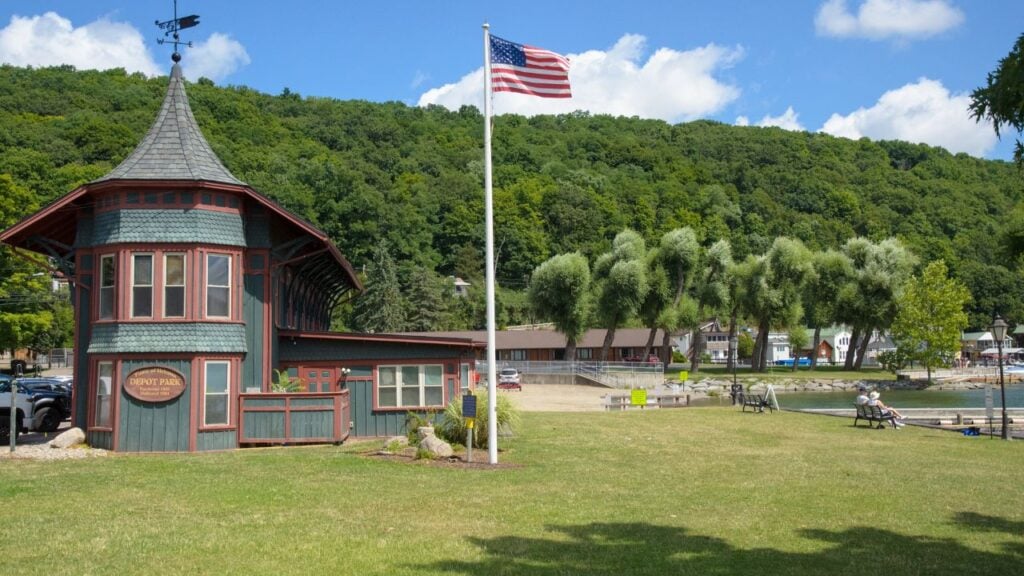
A waterfall in New York's Finger Lakes region drops 215 feet, more than 30 feet taller than Niagara Falls, and many New Yorkers have never even heard of it.
It's tucked into one of the small upstate towns that both city dwellers and fellow upstaters keep forgetting are even on the map.
8 Upstate New York Towns Even New Yorkers Forget Exist
9 Things New Yorkers Do at a Deli That Confuse Everyone Else
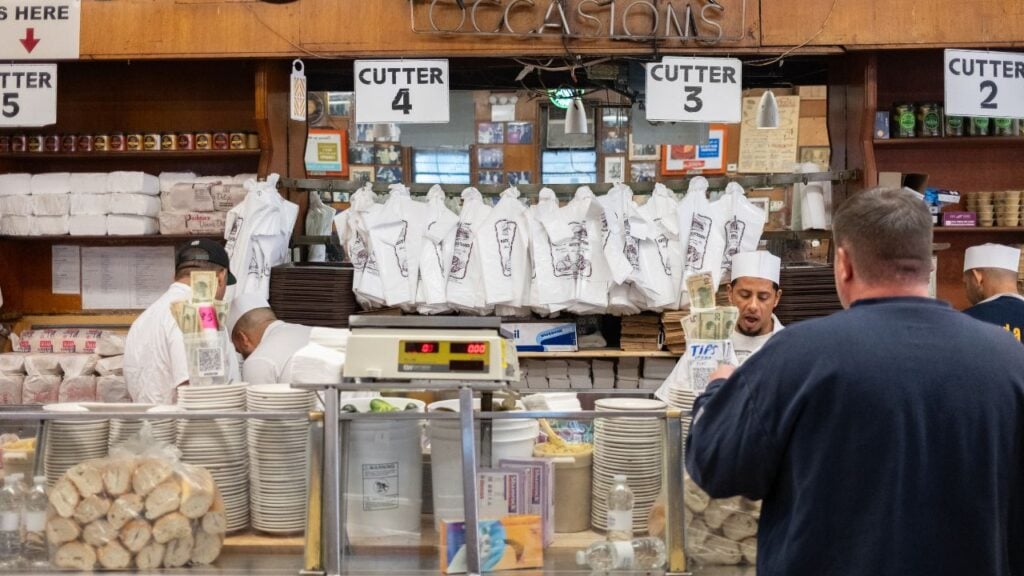
New York City is home to an estimated 13,000 bodegas and delis, more small corner stores than any other American city runs.
Every one of them runs on the same unwritten script, and almost nobody explains the rules to a first-timer.
9 Things New Yorkers Do at a Deli That Confuse Everyone Else
