
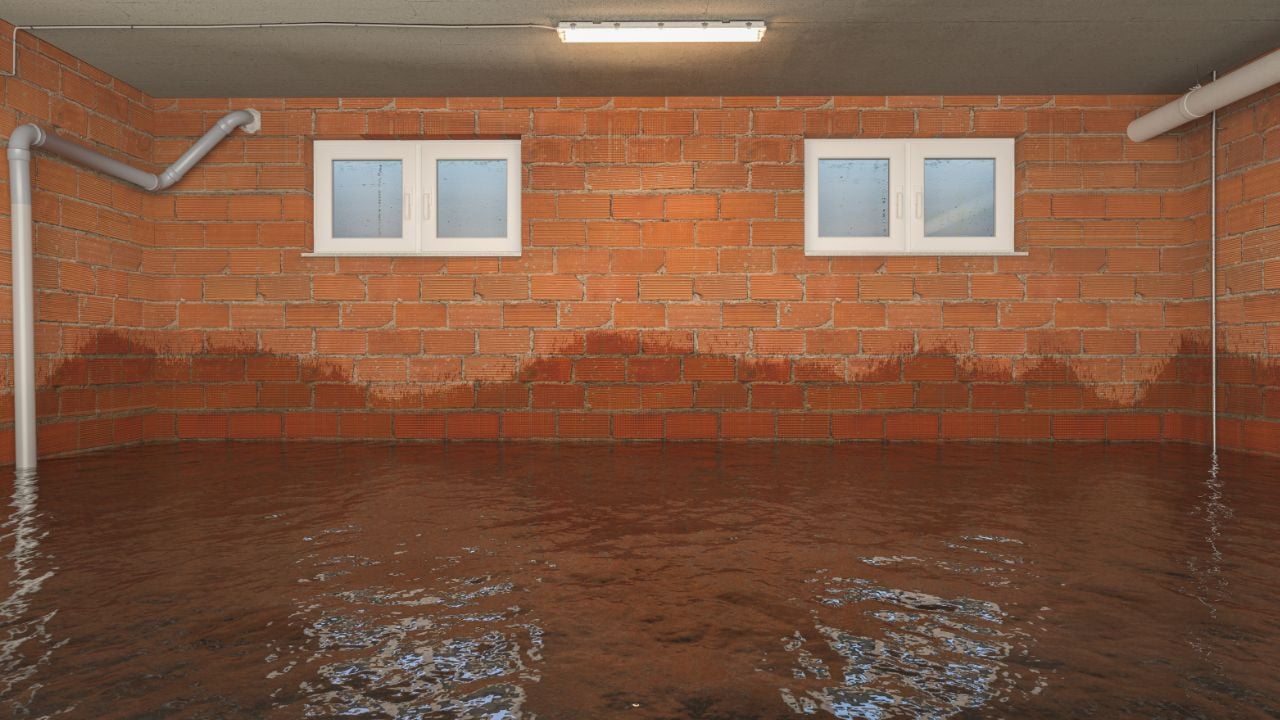
8 Sump Pump Blind Spots Wisconsin Buyers Don’t Expect After Closing

The inspector says the sump pump works, so you sign.
That’s good news, but it may not tell you the whole story.
Here’s what many Wisconsin buyers learn only after the keys are theirs.
Note: This is general information, not legal, insurance, or home-inspection advice. Codes, coverage, and disclosure requirements are subject to change.
1. Effectiveness Loophole
During a home inspection, a sump pump has to clear exactly one bar: Turn on.
The American Society of Home Inspectors (ASHI), the industry’s trade group, publishes a national Standard of Practice for home inspectors.
That standard doesn’t require anyone to determine “the effectiveness of” a sump pump, only whether it runs.
Pour water in the pit, watch the float trigger the switch, done.
Nothing more.
That test looks nothing like what happened when Cross Plains got hit with over 14 inches of rain in a single August night.
A year later, one Cross Plains homeowner’s flooded basement still stood gutted to the studs.
Insulation only went back in the week before, according to local news coverage of the recovery.
A pump can pass on a Tuesday afternoon and still fail during the next big storm.
2. Buried Drain Tile
The pipe that feeds a sump pump is exactly what a standard inspection skips.
ASHI’s Standard of Practice doesn’t require an inspector to determine the condition of anything that isn’t readily accessible.
Buried drain tile qualifies twice over: It’s underground, and there’s no way to test how well it drains without digging it up.
Nobody can see it.
In much of Wisconsin’s older housing stock, that buried pipe is decades-old clay tile laid joint to joint, and it silts in or shifts with age.
A slow clog doesn’t flood the basement right away.
It just means the pit fills faster than the pump can empty it, one storm at a time.
3. What the Disclosure Form Skips
Wisconsin’s disclosure form does ask about sump pumps.
The state’s Real Estate Condition Report requires a seller to say whether they’re aware of defects in drain tiling or sump pumps, right alongside cracks, seepage, and flooding.
Aware is the whole test.
A seller who bought the home three winters ago and never lived through a bad enough storm can check “No” honestly.
The pump can still be one bad spring away from failing.
The form isn’t a warranty, and it isn’t a test.
It’s a memory.
4. Insurance Gap
Ever check whether your homeowners policy covers a sump pump failure?
Many buyers never do.
The state’s insurance office already has the answer: Damage from a sewer or sump pump backup isn’t covered by a standard homeowners policy, or by a flood policy either.
No exceptions.
That exclusion applies whether the water rises an inch or floods the whole basement.
A sewer backup endorsement covers it instead, but insurers don’t have to offer that add-on unless the buyer asks for it.
Many buyers never think to.
Flood Insurance Has the Same Gap
A federal flood policy sounds like the fix for a sump pump failure.
But the Federal Emergency Management Agency (FEMA) only pays a National Flood Insurance Program claim under one condition.
Just one.
The water has to be a direct result of a general flood covering two or more acres or properties.
A single pump failing on an otherwise ordinary rainy night doesn’t meet that bar, so the basement floods and the claim comes back denied anyway.
5. Where the Water Goes
Where the water from a sump pump goes rarely comes up during a walkthrough.
InterNACHI’s inspection guidance says as much.
Inspectors aren’t required to check for a proper discharge location.
The pipe disappears into the wall.
No one has to look.
In some homes, that pipe reappears somewhere it shouldn’t: It ties straight into the sanitary sewer instead of daylight or a storm drain.
Madison’s sewer utility says one incorrectly connected sump pump adds up to 7,200 gallons of clear water to the system on a single rainy day.
The new owner inherits that violation without ever being told.
Psst! How much do you know about sump pumps and the rules behind them? Take our quiz and see how many you can get right.
Quiz
Sump Pump IQ
Answer these questions on sump pumps, basement drainage, and the rules behind them. We bet you can’t get them all right. Prove us wrong?
How much have Dane County’s average annual precipitation totals risen over the last 20 years, according to the City of Madison?
6. Power Outage Blind Spot
But that same inspection test proves nothing about what happens once the power goes out, only that the pump ran on whatever power was on at that moment.
Nothing tests what happens once that power goes out.
No backup, no test.
Wisconsin Public Service, one of the state's largest utilities, attributes 31% of its outages to fallen trees and limbs.
Another 14% comes straight from weather: Lightning, wind, rain, snow, and ice.
Storms and their aftermath drive nearly half of all outages.
A basic pump with no battery or water-powered backup goes silent the moment the lights do.
The water keeps rising with nothing to stop it.
7. Homes Built Before the Code
June 1, 1980, is the day Wisconsin's statewide dwelling code started governing sump pump installation.
The Uniform Dwelling Code applies to dwellings built since that date, and nothing earlier.
There was no such rule.
A huge share of Wisconsin's housing, especially in Milwaukee's and Madison's older neighborhoods, went up long before any statewide standard touched a basement drain.
Whatever sump system sits in that basement today is very likely a later addition, installed by a past owner, with no permit record proving it was sized or installed correctly.
A buyer never sees that paperwork because there usually isn't any.
8. Appraisal Snapshot
A Federal Housing Administration (FHA) appraisal has one requirement for a sump pump, and it doesn't ask for much.
The U.S. Department of Housing and Urban Development's (HUD's) guidance narrows down to a single ask: A working pump on the day the appraiser walks through.
One moment.
That check comes from an appraiser confirming the home's value for a lender, not a licensed home inspector confirming the system will hold up.
A buyer using a conventional loan doesn't even get that much, since no appraisal-stage check applies at all.
Either way, the sign-off ends the day the loan closes.
Psst! Not every sump pump problem needs a full replacement. Tap a column to sort the common physical fixes by cost, or search for your situation below.
Two Pits, Two Purposes
Not every sump pump in a home does the same job.
The state's plumbing code splits them into two categories.
A sanitary building sump handles wastewater from a below-grade bathroom or laundry, and it must discharge into the sanitary sewer system.
A separate clearwater sump drains groundwater and foundation seepage instead.
Mixing the two up is an easy mistake for a past owner to make.
It goes unnoticed.
A repair meant for one pit can end up plumbed like the other.
The difference only shows up once a plumber traces the pipe or a municipality sends a notice.
A house can have one pit or two, and a buyer rarely learns which one without asking directly.
A sump pump tied into the sanitary sewer instead of the storm system risks sending sewage back into the basement it's supposed to protect, per City of Madison guidance.
Wisconsin cities like Fond du Lac catch that wrong connection by pumping smoke into the sanitary line and watching where it surfaces in a yard or downspout.
6 Deer-Hunting Land-Lease Rules That Surprise New Wisconsin Landowners
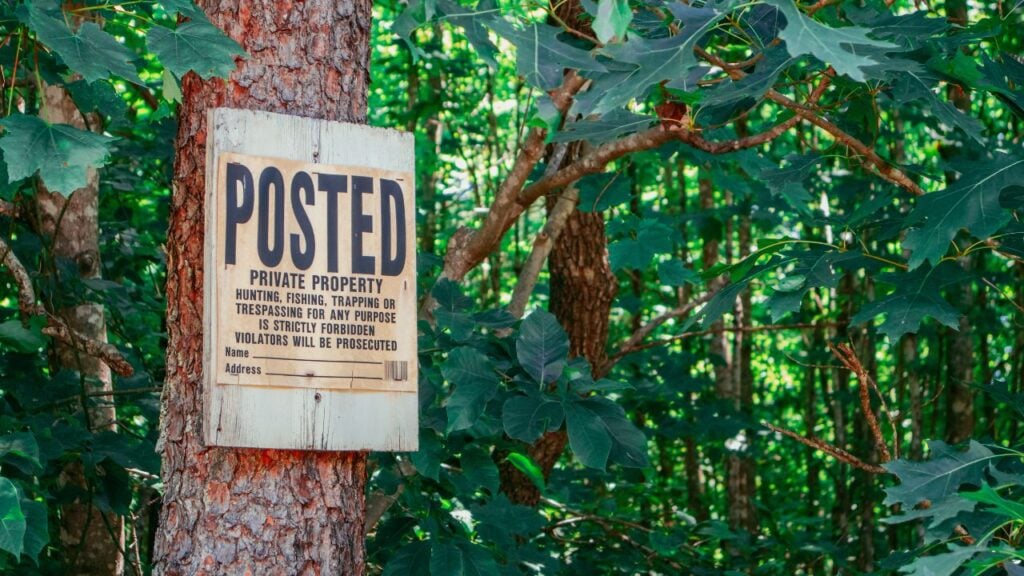
A standard Wisconsin farm or homeowners policy often doesn't cover liability tied to a hunting lease at all.
What a lease does and doesn't cover surprises a first-time landowner in more places than that.
6 Deer-Hunting Land-Lease Rules That Surprise New Wisconsin Landowners
8 Things a Wisconsin Supper Club Menu Still Won't Change, No Matter How Long It's Been

Wisconsin has more than 250 supper clubs scattered across the state, and that count has held steady for years.
Owners retire and buildings get a fresh coat of paint, but the menu that comes out the other side looks almost exactly like it did before.
8 Things a Wisconsin Supper Club Menu Still Won't Change, No Matter How Long It's Been
