
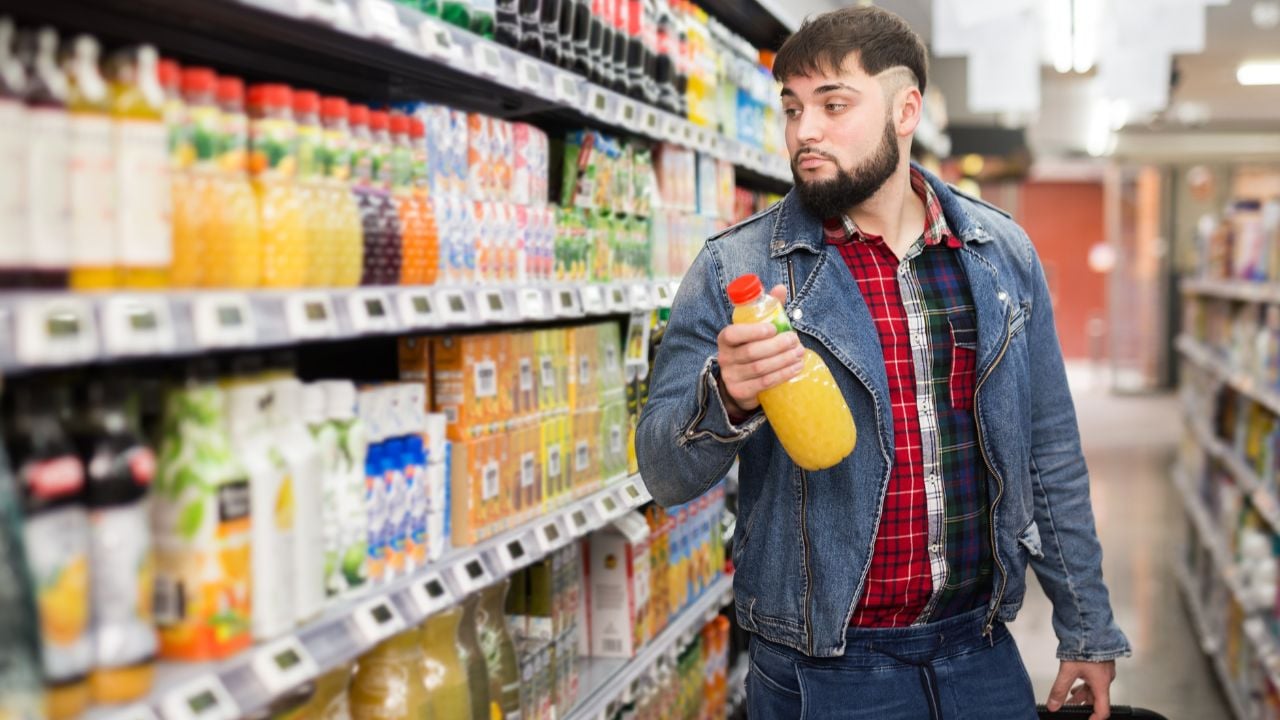
8 Things California Grocery Stores Do That Shock Visitors

A tourist wheels a cart of groceries to the register at a California supermarket and expects a plastic bag that doesn’t exist.
The cashier already knows what happens next.
These are the things California grocery stores do that shock first-time visitors.
1. Locks Your Cart’s Wheels
A California grocery store’s cart can lock its own wheels before it ever reaches the street.
Cities including Bakersfield, Citrus Heights, and Oakley require large stores to run cart containment plans.
Many stores meet that rule with wheel-locking hardware triggered by a wire buried at the parking lot’s edge.
Push a cart past that line, and the wheels lock up mid-stride.
The cart just stops.
First-time visitors usually assume something broke.
Nothing did.
The store installed that stop on purpose.
2. Sells Only Cage-Free Eggs
A California grocery store’s egg cooler holds only cage-free cartons, no exceptions.
Proposition 12 set that rule in 2018, and full enforcement began in 2024.
The same law also reaches one corner of the meat case: Whole cuts of pork must come from breeding pigs given at least 24 square feet of space, though ground pork is exempt.
Location doesn’t matter, though.
An egg operation in Ohio has to meet California’s cage-free standard just to get its cartons onto a California shelf.
Egg farmers nationwide adjust their operations to satisfy one state’s rule.
3. Blocks Booze at Self-Checkout
At self-checkout in a California grocery store, a bottle of wine won’t scan.
State law bars every self-checkout stand from ringing up alcohol.
A cashier has to check the ID and complete the sale by hand instead.
Grocers pushed back on the rule for years.
It stuck anyway.
Every six-pack, bottle of wine, or bottle of tequila detours to a staffed line now, no matter how empty the self-checkout kiosks look.
4. Says No to Plastic Bags
That plastic bag at checkout disappeared from California grocery stores on January 1, 2026.
Senate Bill 1053 didn’t just ban the thin single-use bags many states already regulate.
It banned the thicker “reusable” plastic bags too, the kind stores used to hand over as the compliant option under the old law.
Paper is what’s left.
Shoppers who forget a reusable bag pay a dime for a paper one at the register, unless they’re enrolled in a food assistance program.
The store adds that dime to the receipt as its own line, every single trip.
5. Charges a Deposit on Cans
Nearly every bottle or can sold in a California grocery store carries a deposit now.
Shoppers get that money back only by hauling the empties to a certified redemption center, not by returning them to the store.
The California Redemption Value, or CRV, program charges 5 cents on containers under 24 ounces and 10 cents on anything larger.
Boxed wine and liquor pouches carry their own rate now, too: 25 cents each.
A visitor from a state with no deposit system watches the total tick up at checkout and assumes it’s a mistake.
It’s not.
6. Stocks Liquor on the Shelf
In a California grocery store, a bottle of tequila can sit on the same shelf as the wine and the beer.
A single Type 21 license covers all three categories.
So a Ralphs or a Safeway never has to send a shopper across town to a separate liquor store.
Seventeen states still run their liquor sales through state-controlled stores instead of ordinary grocery aisles.
California never joined them.
Grab the vodka, the cabernet, and the case of beer in one trip through one checkout line.
7. Posts a Cancer-Warning Sign
A California grocery store’s front entrance almost always carries the same yellow-bordered warning sign.
Proposition 65 requires the warning the moment a business knowingly exposes shoppers to any of more than 900 listed chemicals.
First-time visitors read it and slow down.
Regular shoppers don’t.
The sign has hung at the door so long that many Californians barely notice it anymore.
What That Cancer Warning Means
California’s Proposition 65 sign doesn’t mean that one grocery store did something wrong.
State law requires the exact same warning the moment a business knowingly exposes customers to any of more than 900 listed chemicals, no matter how small the amount.
A trace level far below any dose considered harmful still triggers the identical sign as a genuine hazard because the law doesn’t grade the size of the risk before requiring the warning.
That’s why a small produce stand and a supersized warehouse store can carry the same sign for completely different reasons.
8. Skips Foam Takeout Containers
California grocery stores quit handing over a foam container from the hot bar or the sushi case.
Senate Bill 54 banned the sale of expanded polystyrene food-service ware statewide starting January 1, 2025.
That white foam clamshell a deli counter might hand over in another state doesn’t exist on a California shelf.
Stores switched to plastic, cardboard, or compostable containers instead.
None of it’s foam.
The switch happened statewide, not city by city.
A shopper used to a foam box back home won’t find one anywhere in the state.
Can’t Just Toss Extra Food
California grocery stores follow a rule many shoppers never see happen.
Senate Bill 1383 requires large grocers to send edible food that won’t sell to a food bank or another recovery group instead of a dumpster.
The law started with the biggest chains in 2022 and widened its reach in 2024.
That part isn’t optional.
Stores now sign agreements with food recovery groups and keep monthly records of what they hand over.
Psst! How much do you know about the history behind California’s grocery chains? Take our quiz and see how many you can get right.
Quiz
Golden State Grocery IQ
Answer these questions on the history behind California’s biggest grocery chains. We bet you can’t get them all right. Prove us wrong?
Trader Joe’s famous $1.99 wine carries the name of an actual person. What happened to Charles Shaw before Trader Joe’s ever sold a bottle with his name on it?
That day-old bread or dented can of soup a shopper assumes ends up in the trash is far more likely headed to a food pantry.
California built that hand-off into law instead of leaving it to a store's goodwill.
8 WinCo Mistakes That Cost Californians Money Every Week
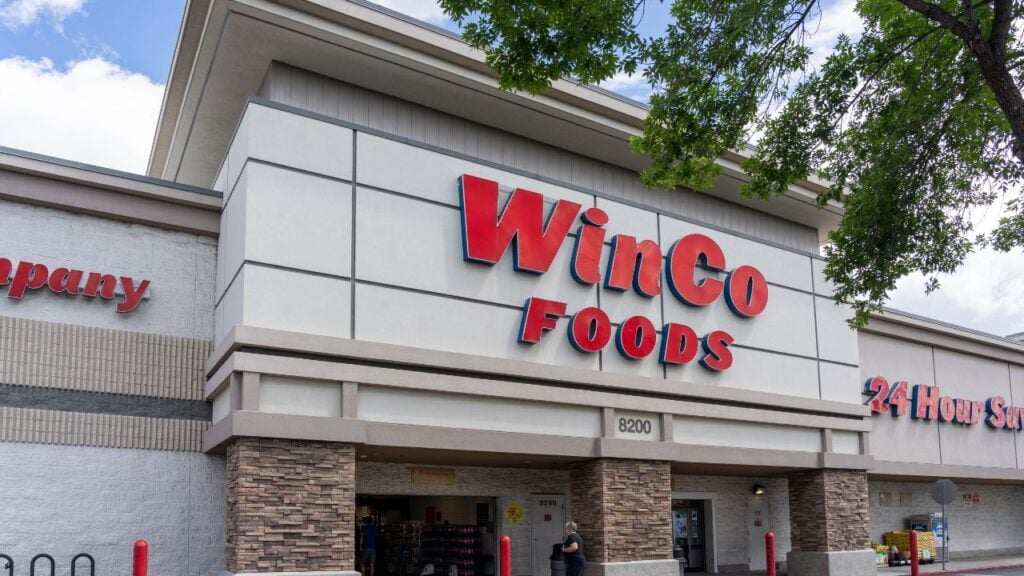
WinCo runs its aisles differently than many California grocery stores, bulk bins included, and that different setup creates its own blind spots.
These are the small habits costing California shoppers money at the register every week.
8 WinCo Mistakes That Cost Californians Money Every Week
9 Ways to Spot a California Transplant Anywhere in America

Some California habits don't stay in California, grocery aisles included.
These are the everyday tells that follow a California transplant to a whole new state.
