
8 Things Iowa Farmhouses Had Before Electricity Reached the Farm

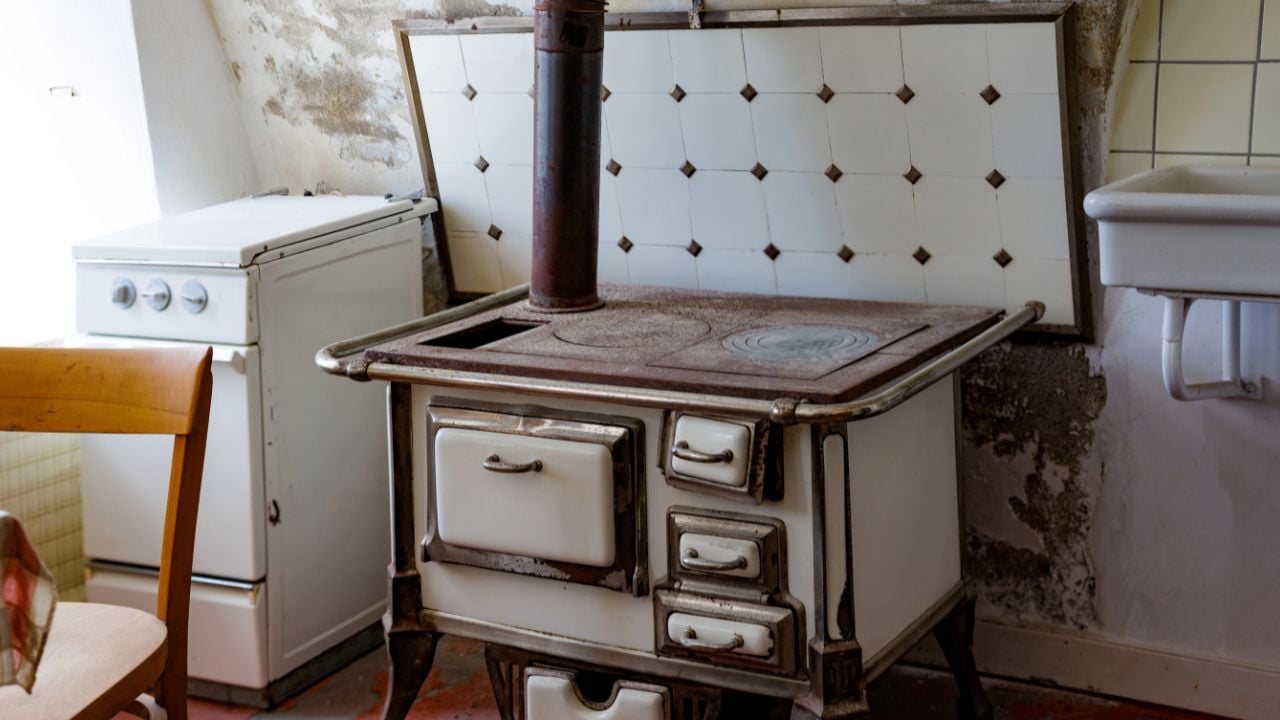
Ironing day on an Iowa farm meant heating a heavy iron on a hot stove.
Flip a switch today, and the light comes on. Before the power lines reached the farm, nothing plugged in.
Here’s what farmhouses had before electricity, and how families got the work done without it.
1. Kerosene Lamps
Kerosene lamps lit a farmhouse after dark, and the barn and other outbuildings had them too.
Farmers without electricity milked their cows by hand in the light of kerosene lanterns, so after sundown you lit a lamp and carried a lantern to the barn.
In the 1920s and ’30s, a house in town might have had electricity, but many farm homes didn’t.
Lamplight set the pace.
How Few Iowa Farms Had Power
By 1925, two-thirds of Iowans lived in rural areas, and only one in ten Iowa farm families had electricity.
2. Wood and Coal Stoves
Cooking in a farmhouse kitchen meant a wood- or coal-burning stove.
Heating the rest of the house meant wood, or coal if your family could afford it.
One farm woman in a 1979 oral-history book remembers burning cobs on the farm.
Fuel mattered daily.
3. Stove-Heated Irons
On a farm, Tuesday was ironing day for many women.
A hot stove heated the irons, and you lugged the heavy irons back and forth over shirts and dresses.
Sad irons often weighed as much as ten pounds.
Nothing plugged in.
4. Washboards
Washing your clothes on a farm without electricity meant scrubbing them by hand on a washboard.
That same book describes washing on a board in a big tub, and for many women Monday was washing day.
Electric washing machines were among the appliances that debuted in households wired for electricity, largely in towns and cities.
Washing took muscle.
Psst! How much do you know about farmhouse tools and chores? Take our quiz and see if you can ace it.
Quiz
Farmhouse Tools Trivia
See what you know about farm tools, chores and telephones from the days before electricity. We bet you can’t get them all right. Prove us wrong?
Which appliance let town families make Jell-O before farm families could?
5. Water Pumps and Buckets
Before electricity, your water came from a pump, and farm children carried it in buckets to the kitchen and the barn.
Families also had to hand-carry water to the house for cooking and bathing.
When electricity arrived, you could pump running water into the farmhouse.
Buckets were the plumbing.
6. Outhouses
On a farm without indoor plumbing, you walked outside to the outhouse, whatever the weather.
Backyard outhouses served until electricity arrived, and plans for toilets, sinks and bathtubs followed soon after.
A public television video on rural plumbing describes tiptoeing barefoot through the dark past yards where chickens ran all day, with the Sears Roebuck catalog standing in for toilet paper.
Winter tested everyone.
7. Party-Line Telephones
Farmers began organizing telephone systems around 1900, decades before the power lines reached many farms, and the systems ran on small electrical generators the farmers bought.
To place a call, the caller turned a crank, and a series of long and short rings sounded on all the phones on the line. Each home had a pattern, such as three long rings and one short, so you listened for yours.
But a neighbor who wanted to listen in could pick up and hear the whole conversation.
The state's public television archive reports many stories of farm gossip spreading quickly that way.
Your call wasn't private.
8. Cellars and Icehouses
Without electricity, you kept food cool with an icehouse, a well or a farm cellar, and those were the only means available.
Crews usually began cutting ice from rivers and lakes around the first of January, and the ice sat in an icehouse until summer.
In towns, an ice wagon delivered ice door to door.
When the weather turned warm, the demand for ice began.
Summer produce was canned to feed your family through the winter.
Winter's ice served summer.
Cream Separators
Dairy work around farmhouses changed once farm cream separators arrived.
With a separator, only the cream went to the factory, so haulers had less bulk to carry.
Farmers could feed the still-warm skim milk to their livestock instead.
Skim milk found a use.
Town Power Before Farm Power
Farms had no power lines yet, but many Iowa communities built local power plants and strung wires house to house before 1900.
In 1907, the power company in Jefferson offered women a free home trial of electric irons.
The notice told them to keep one for three weeks and bring it back if they didn't like it.
Then they could go back to the drudgery of heavy stove-heated irons in sweltering kitchens.
The campaign worked so well that within a few months the company asked local women to use their irons only on Tuesday and Wednesday mornings.
Those were the mornings the generators could run at high speed.
Electric irons and lights were only the first wave of home improvements, and waffle irons, radios, fans, water heaters, ranges, toasters and refrigerators followed in wired households.
Demand outran the generators.
Rural Electric Cooperatives
Wiring homes across small town backyards was far easier and more economical than reaching a few farmhouses scattered across acres of corn, hay and pasture.
Private utility companies found power lines to remote farms too expensive to build.
The federal government created the Rural Electrification Administration in 1935 to help.
Farm families formed cooperatives, and when private power companies showed reluctance to supply them, some co-ops built generating plants.
Some neighbors became power producers.
8 Things Iowans Change About Their Week Once the Combines Are Out
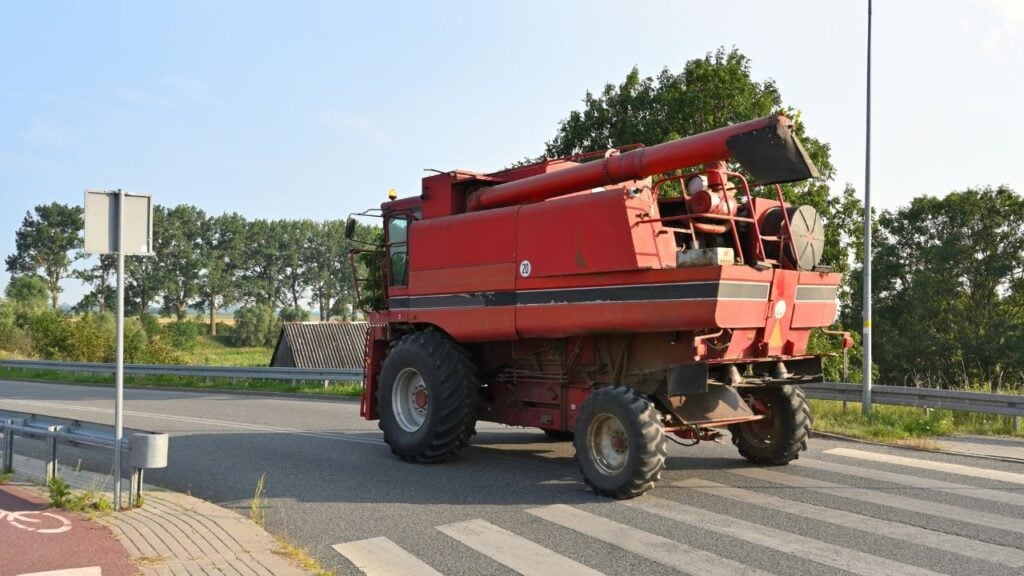
Have you tried passing a combine on a two-lane road this fall?
That combine wasn't there in July.
8 Things Iowans Change About Their Week Once the Combines Are Out
9 Things Iowans Miss Most After They Move Away
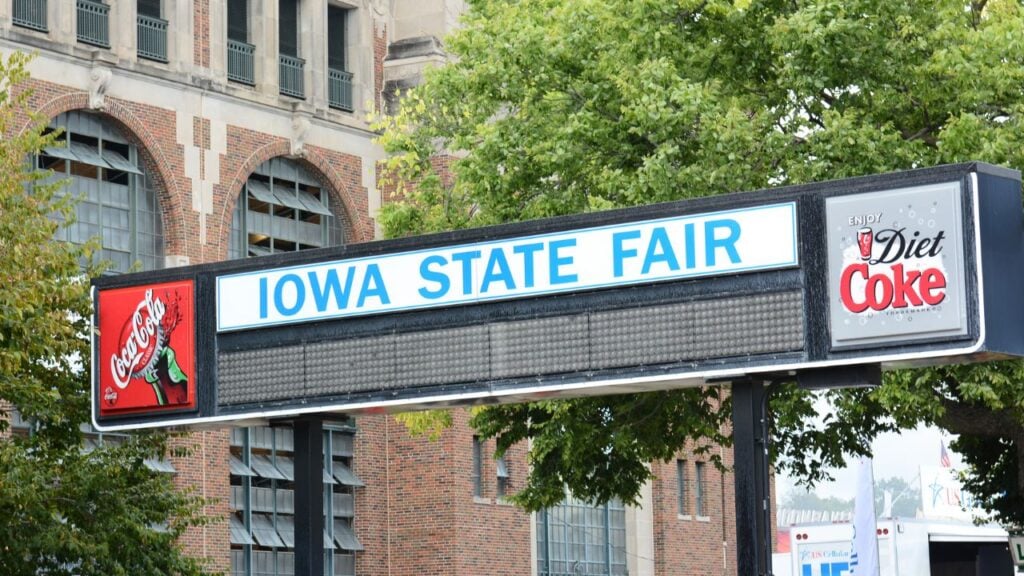
Ask someone who traded an Iowa commute for Chicago or Dallas traffic what they miss most.
The commute is only the start.
