
8 Things Mainers Know About Moose That Visitors Learn the Hard Way

Seeing a moose up close can be the highlight of a trip to Maine.
But locals know that thrill comes with a few risks, especially on the road and in the fall.
Here’s what locals know about moose that visitors sometimes learn the hard way.
Note: This is general information, not legal advice. Reporting rules and wildlife guidance are subject to change.
1. May and June Crash Season
The Maine Department of Transportation (MaineDOT) calls May and June the peak moose collision months.
If you’re visiting in May or June, you’re driving in peak season.
That doesn’t mean your autumn drive is clear, since autumn incidents are also common.
Crashes happen year-round.
2. Eyes That Don’t Glow
Moose stand up to seven feet tall, according to IF&W.
That figure is for bulls 5.5 years old and up.
Adult cows average 836 pounds.
MaineDOT says you won’t see a moose’s eyes reflected in your headlights because moose are taller.
Instead, watch for the silhouette.
3. Dusk, Dawn and After Dark
At dawn and dusk, moose are at their most active, according to MaineDOT.
They also travel at night.
Throughout a 24-hour day, moose are constantly eating, ruminating and bedding.
If you’re driving after sunset, dark-colored animals can be very hard to see until they’re right in front of your headlights.
Use high beams whenever possible.
If you can’t stop within the distance your headlights show, you could hit something just beyond it.
Reducing speed at night greatly improves safety, the department says.
4. Wetlands and Small Groups
Moose are often found near wetlands, MaineDOT says, so watch the roadside wherever your road runs past a wetland.
Moose and deer often travel in small groups.
If one animal crosses the road in front of you, you can bet more animals are nearby and may be crossing.
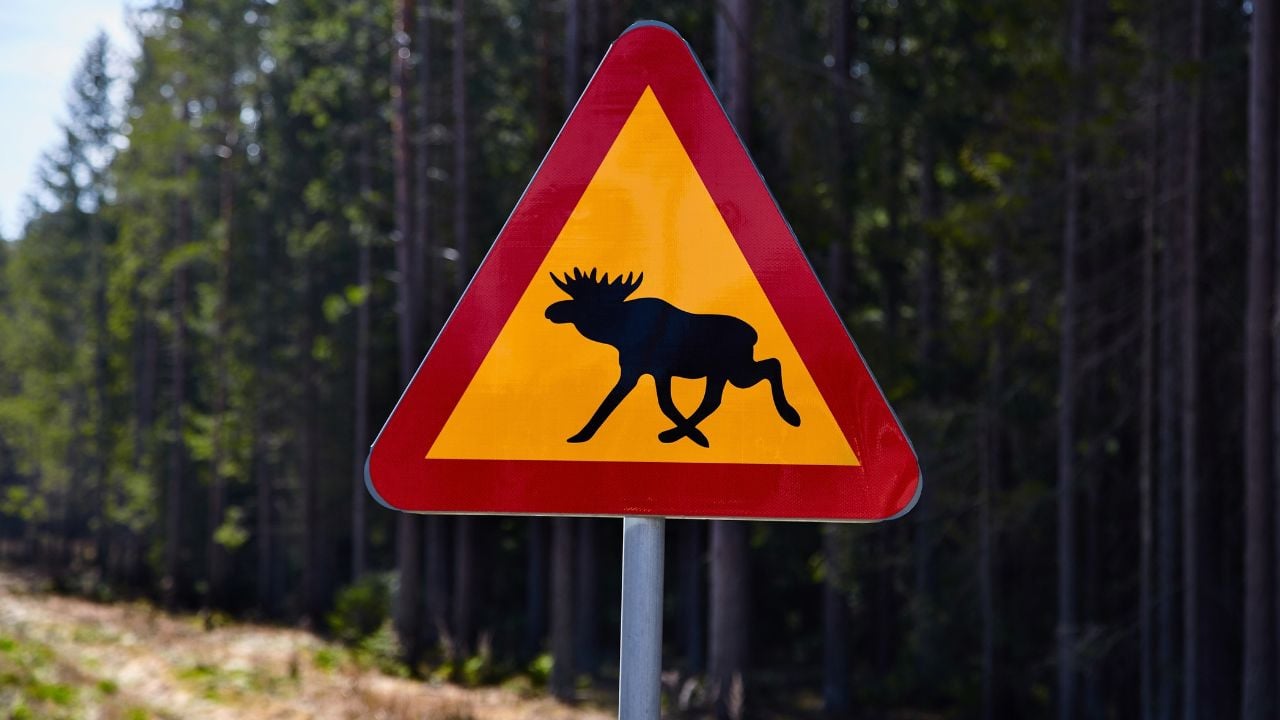
The locations of moose and deer crossing signs are based on where there are high concentrations of wildlife and where collisions are a problem.
5. City Neighborhoods
If you’re driving through Portland, Lewiston-Auburn or Bangor, you’re in places where moose have been hit in heavily populated neighborhoods, according to MaineDOT.
Those are Maine’s three largest communities.
Wildlife collisions can occur at any time, under almost any circumstances and anywhere in Maine.
Psst! How much do you know about Maine moose? Take our quiz and see if you can ace it.
Quiz
Maine Moose Quiz
We bet you can’t get them all right. Prove us wrong?
Antlers can grow as much as how many inches in just nine days?
6. Rut Season
The moose breeding season, called the rut, begins in late September and lasts into early October, according to IF&W.
Animals may become more aggressive during breeding seasons, so it's best to give them extra space.
If you see a moose standing in or near the roadway, MaineDOT says to use extreme caution, especially during mating season.
Stay inside your vehicle rather than get out because moose can be unpredictable and may attack it.
7. Cows With Calves
Moose cows give birth to one to two calves each May, according to IF&W.
Calves remain with their mother for one year.
If you're out by a river, stream, pond, lake or bog in summer, keep in mind that moose seek out and spend a lot of time in water.
If an animal has young, keep a further distance so the mother doesn't become stressed.
8. Antler Growth and Shed
Moose antler can grow as much as 8 inches in just nine days, according to IF&W.
Bulls shed their antlers in early winter, once mating season is over.
Once the snow comes and trails are groomed and ridden on, moose like to travel on them.
If you're out in winter, a bull you see may already have lost its antlers.
Reporting a Crash
If your vehicle hits a moose, Maine law requires you to report the crash to a law enforcement officer by the quickest means.
If you're the operator or the owner of the vehicle, that duty falls on you.
The same law says the State isn't liable for any claims for damages to a motor vehicle by a wild animal.
Who Gets the Moose After a Crash?
When an officer investigates a moose crash and finds damage to your vehicle, Maine law has the officer give you a certificate that entitles you to the carcass.
You can take the entire carcass from the scene.
You can't take just part of it.
Under 12 M.R.S. §12403(3)(A), skipping the report or removing only part of a carcass is a civil violation with a fine of $100 to $500.
The Calmer Side
Visit Maine says moose are usually docile animals.
Moose have been known to charge people when they feel threatened.
IF&W's guide says that if a moose reacts to you, you're too close and need to slowly back away.
Yearly Harvest and Road Kill Totals
If you're looking for yearly totals, IF&W says harvest and road kills account for 2,000 to 3,500 moose a year.
That range combines hunting and road kills, so it doesn't say how many moose are hit by vehicles.
MaineDOT says cars and trucks crash into moose and deer thousands of times every year in Maine.
8 Maine Ferry Runs Tourists Assume Go All Year
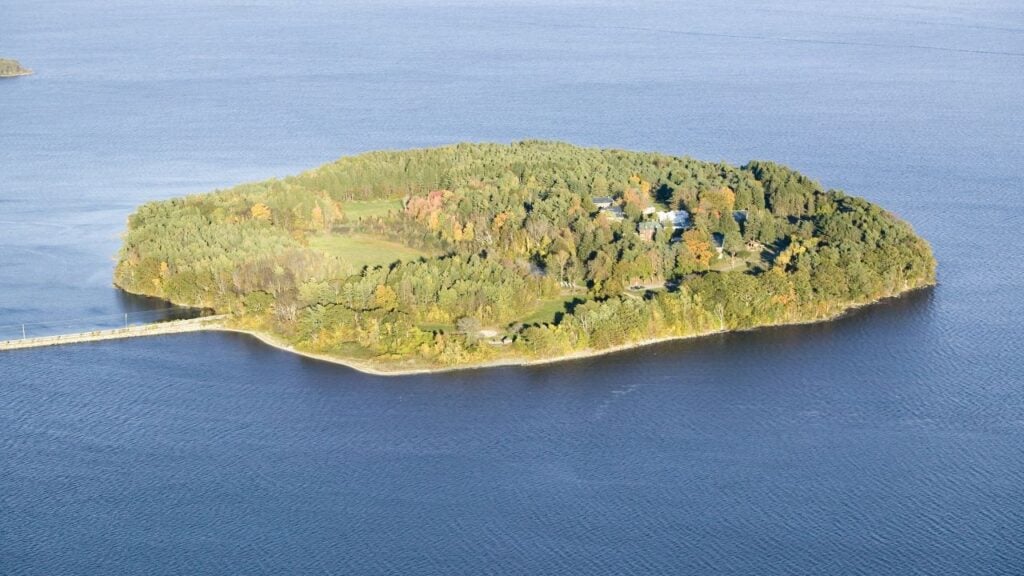
An easy Maine ferry ride on your last trip can make you want a repeat.
Visit in a different season, though, and that same ferry may not be running.
8 Maine Ferry Runs Tourists Assume Go All Year
5 Things Mainers Do When Lobster Boats Come In That Tourists Find Fascinating
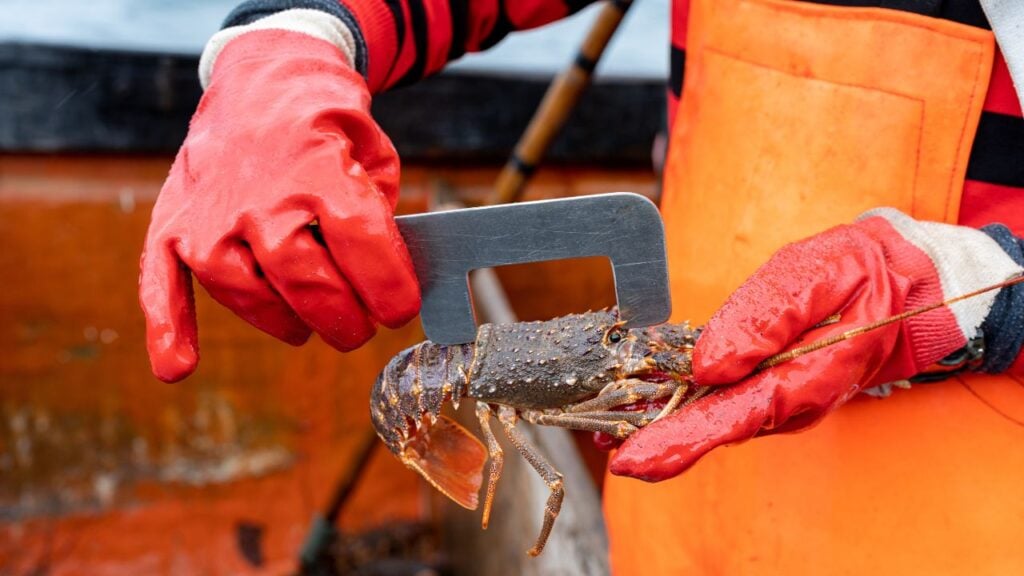
Mainers have routines for when the lobster boats come in.
Some of them are worth stopping to watch.
5 Things Mainers Do When Lobster Boats Come In That Tourists Find Fascinating
