
8 Things Ohioans Buy in Bulk and Rarely Finish

Ohio’s Franklin County takes in almost a million pounds of food waste a day at its landfill, according to the City of Columbus.
That’s just food.
What Ohioans haul home in bulk, food or not, can spoil, expire, or go stale in a cabinet before anyone uses it up.
These are the things Ohioans buy in bulk and rarely finish, and so do shoppers everywhere else in the country.
1. Bagged Greens and Berries
Spinach and strawberries top the list of groceries that spoil before anyone gets to them, and warehouse clubs only sell both by the crowd-size bulk bag.
Fresh produce makes up more than a third of all the food wasted in the United States, according to the nonprofit ReFED.
A family-size bag only makes that math worse.
Spinach wilts fast.
A bulk discount only holds if the bag gets emptied before it wilts, and that’s the part warehouse math skips.
The Math Behind a Bulk Produce Discount
A three-pound bag of spinach priced at $6 works out to $2 a pound, while a five-ounce clamshell at $3 comes out to about $9.60 a pound.
That math only holds if the whole bag gets eaten.
The Environmental Protection Agency (EPA) puts the average cost of wasted food at $2,913 a year for a household of four, using 2023 government and retail sales data.
Toss half that bag before it wilts, and the effective price on what gets eaten doubles to $4 a pound, cutting the bulk discount in half instead of erasing it.
2. Warehouse Milk Jugs
Two adults working from home rarely need a full gallon of milk in a single week, though a warehouse club rarely sells it any smaller.
A U.S. Department of Agriculture (USDA) Economic Research Service analysis found dairy products and vegetables together made up 38% of the food lost at the retail and consumer level.
That figure, from a 2010 snapshot of the data, ranked dairy and vegetables among the largest shares of any food category lost.
The clock starts at the register.
A 2017 study from the Natural Resources Defense Council (NRDC) tracked kitchens in Denver, Nashville, and New York City and found milk among the commonly wasted foods in all three.
A half-gallon empties before it turns.
Size is the whole problem.
The full gallon often doesn’t get the chance.
3. Multi-Loaf Bread Packs
How many sandwiches does a two-loaf bulk pack of bread need to make before mold wins the race?
That same NRDC study named bread among the commonly wasted foods in American kitchens, right alongside milk.
Bread doesn’t keep.
Left on the counter, a loaf turns moldy long before a two-pack from a warehouse club gets finished.
Freezing solves it, but the freezer only helps for the half of the loaf someone remembers to freeze.
4. Ten-Pound Bags of Potatoes
Ten pounds of potatoes bought in bulk is more potato than many kitchens get through before the sprouts show up.
That same NRDC kitchens study put potatoes on its list of commonly wasted foods too, alongside milk and bread.
Potatoes stored at room temperature can start sprouting in as little as one to two weeks, according to the Idaho Potato Commission.
That’s long before a ten-pound bag empties in most kitchens.
Nobody checks in time.
Buy the five-pound bag instead, and the eyes never get the chance to show up.
Psst! How much do you know about smart grocery shopping? Take our quiz and see how many you can get right.
Quiz
Smart Shopper Trivia
Answer these questions on grocery history and shopping smarts. We bet you can’t get them all right. Prove us wrong?
Does federal law require a “best by” or “sell by” date on most groceries?
5. Bulk Bags of Coffee
Bulk coffee is the freshest item in a warehouse haul on the day it's bought and one of the stalest by the third week.
The National Coffee Association (NCA) says ground coffee holds its peak flavor for only about two weeks at room temperature.
It starts losing that flavor almost immediately after the bag is opened.
Two weeks decide everything.
Coffee showed up on that same NRDC list of commonly wasted household foods too, next to milk, bread, and potatoes.
A jar of instant coffee keeps far longer, but the bulk bag of ground beans is the one that goes stale in the cabinet.
6. Oversize Spice Jars
A cabinet holding three jars of the same paprika, bought a year apart, is a common sight in kitchens that shop the bulk aisle.
Iowa State University Extension says most ground spices hold their flavor for about three years.
An oversize jar of a specialty blend can easily outlast that window in a kitchen that only reaches for it a few times a year.
Nobody notices until it's flat.
A jar bought for one holiday dish loses its smell long before the label runs out of powder.
Losing flavor to a jar too big to finish costs more in the long run than the extra pennies a small jar charges per ounce.
7. Family-Size Medicine Bottles
A 300-pill bulk bottle of ibuprofen runs on the same clock as the 24-pill bottle from the corner pharmacy.
The Food and Drug Administration (FDA) says a medication's tested strength and quality are only guaranteed through its printed expiration date.
A degraded pill can lose potency or, in rare cases, break down into compounds that aren't safe.
That printed date is the deadline.
One adult taking a single vitamin a day needs almost a year to empty a jumbo bottle, and that's before anyone skips a week here or there.
A bottle sized for a month runs out before potency becomes a question.
Size decides the outcome.
The jumbo size rarely gets there first.
8. Multi-Pack Cleaning Wipes
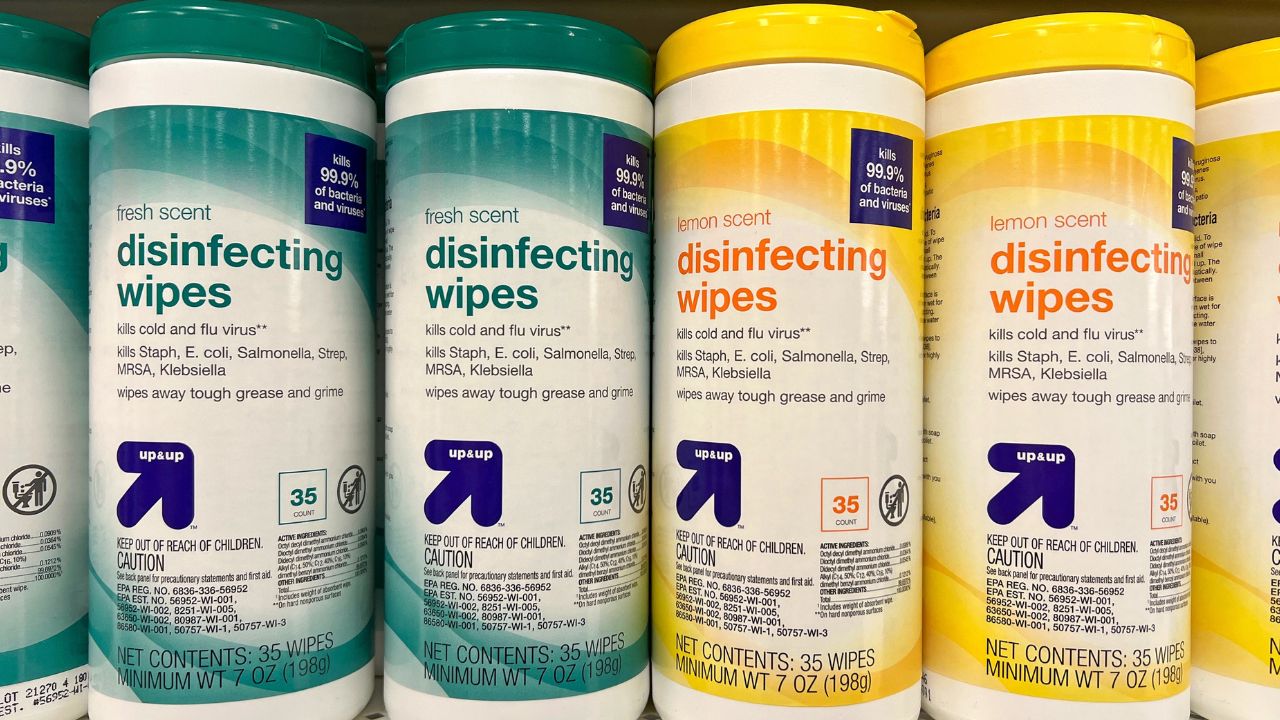
Disinfecting wipes bought three tubs at a time from a warehouse club are sized to outlast a full year of cleaning, and that's exactly the problem.
The American Cleaning Institute (ACI) says most disinfectants carry roughly a one-year shelf life from the date they're made, and the active ingredient that kills germs breaks down after that.
Germs don't check the label.
A canister opened in January can sit two-thirds full by the following winter, killing fewer germs every month even though the bottle still looks full.
The single spray bottle from the regular aisle costs a little more up front, but it's usually empty and replaced before its disinfecting power fades.
6 Fees That Turn a $50 Ohio Traffic Ticket Into $156
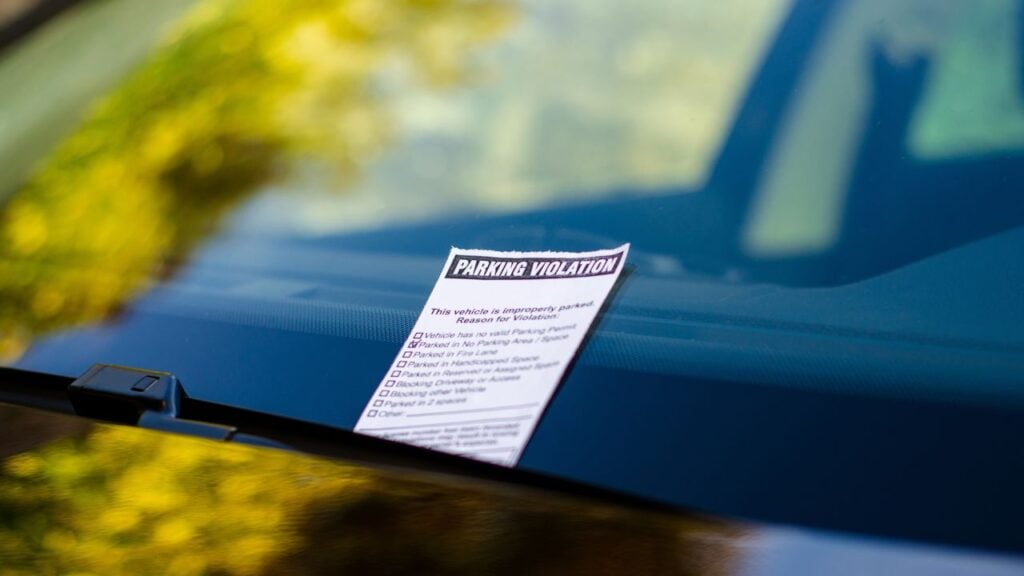
A $50 speeding ticket in Ohio almost never stays $50 once a court tacks on a separate list of costs.
Ohio law authorizes each of those add-on fees line by line, and they can turn a small ticket into a bill several times the size.
6 Fees That Turn a $50 Ohio Traffic Ticket Into $156
8 Things Ohioans Believe About Their Own State That Aren't True

Every Ohio history class teaches that statehood arrived in 1803, but Congress left one piece of paperwork on that unfinished for generations.
That's just one of the widely repeated facts about Ohio that turns out to be false once someone checks the record.
8 Things Ohioans Believe About Their Own State That Aren't True
