
8 Things South Carolina Farmers Markets Sell That Grocery Stores Can’t Touch

South Carolinians work more than 22,600 farms across 4.6 million acres.
Almost nothing that makes those farms interesting can survive a distribution center.
These are the things South Carolina farmers markets sell that rarely reach a grocery shelf.
1. Bradford Watermelons
Sumter County growers bring a melon to South Carolina farmers markets that the grocery trade gave up on a century ago.
One family has grown the Bradford watermelon for more than 150 years.
Its rind is thin enough to slice with a butter knife.
Stack Bradfords on a pallet, and the bottom row splits.
So, no warehouse handles them and no chain orders them.
By the early 1900s, growers had bred thick-rind melons that ride a truck without breaking.
Shippers picked the rind.
Bradfords ripen late, so August is when the tables carry them, sold whole because a cut Bradford loses its juice in a hurry.
2. Tree-Ripened Peaches
Grocery chains stock peaches picked firm and early, which is the opposite of how a South Carolina farmers market gets its fruit.
A peach on on a farmer’s market table came off the tree the day before, containing more sweetness because they picked it ripe when the peaches are most likely to bruise.
They’re also the tastiest.
South Carolina ranks second in fresh peach production behind California, according to Clemson Cooperative Extension.
Growers around Ridge Spring and Johnston work more than 50 varieties, and they pick for a Saturday table instead of a 900-mile trip.
What’s on that table changes every couple of weeks from May into September, so ask what came in this week before you fill your bag.
3. Silver Queen Corn
High summer is Silver Queen season at South Carolina farmers markets, and that corn runs on a very short clock.
Silver Queen belongs to the old standard sugary class of sweet corn.
Sugars in that class turn to starch fast unless you cook the ears the same day they come off the stalk, according to University of Georgia Cooperative Extension.
No chain can build a supply route around that.
So chains stock supersweet hybrids carrying the shrunken-2 gene, which gives them a storage life of a week with refrigeration.
A truck route needs that.
Supersweet corn is crunchier and sweeter than Silver Queen, and it skips the creamy texture that made the old variety worth planting.
Ask your grower what morning the corn came out of the field, then cook it that night.
4. Fresh-Shelled Field Peas
Field peas reach South Carolina farmers markets already shelled, and that’s the part no grocery chain can copy.
Pinkeye purple hulls, white acres, zipper creams, speckled butterbeans, Sea Island red peas: Every bag started with somebody sitting over a bushel and a bowl.
Somebody shelled every pod.
Out of the hull, fresh peas hold three or four days in your refrigerator and then they’re done.
Three days isn’t enough runway for a distribution center, a regional warehouse, and a store shelf, so the supermarket sells the same peas frozen or dried.
Frozen peas work fine in January.
In July, nobody at the market is buying frozen.
Shelling runs from early May into mid-August, which is why people buy four quarts at a time and freeze what they can’t cook.
Psst! How farmers-market savvy are you? Run through this checklist and see where you land.
5. Wild-Caught Carolina Shrimp
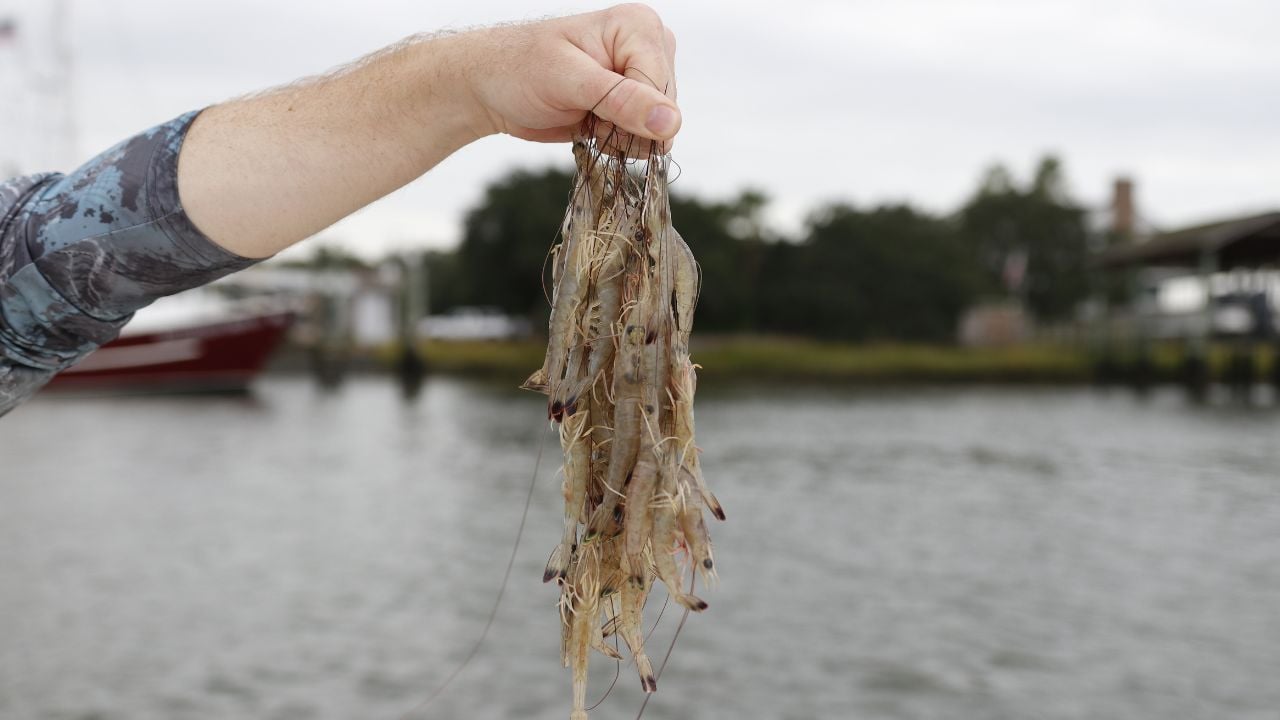
Coastal South Carolina farmers markets sell shrimp that came off a boat that tied up the same morning.
Nationally, 94% of the shrimp on the market is imported, according to the Southern Shrimp Alliance.
That leaves six percent for every dock in the country.
A chain buyer needs the same count, the same size, and the same price every week of the year.
A pond in Ecuador can promise that.
The South Carolina Department of Natural Resources opens the state’s trawling season each spring, after biologists check that the white shrimp have spawned.
A season isn’t a contract.
Genetic testing of 44 Charleston-area restaurants in 2025 turned up domestic wild-caught shrimp at four of them.
So ask your vendor which boat brought it in and whose name is on the hull.
6. Just-Picked Celeste Figs
Figs never reach a South Carolina farmers market in a deep box.
A ripe fig bruises under the weight of the figs stacked above it, so growers keep the flats one layer deep and carry them by hand.
Ripe figs also spoil within a few days, which is why so few travel more than a short drive from the tree.
Nobody trucks a ripe fig.
The fresh figs in your grocery store come from California, picked before they’re ready so they hold together across the country.
The Celeste is the small brown-purple fig growing in half the backyards from Edisto to Rock Hill.
It matures in July, according to Mississippi State University Extension, weeks ahead of the Brown Turkeys that carry Southern fig season into late summer.
Buy a flat, eat what you can that afternoon, and put the rest into preserves before dark.
7. Sourwood Honey
Upstate farmers markets carry sourwood honey for a few weeks in summer, and then the jars are gone until next year.
Sourwood trees flower in June and July.
The blooms last about three weeks, according to Virginia Cooperative Extension.
Beekeepers along the Blue Ridge line above Greenville and Pickens work that window hard, pulling the boxes off before the bloom and again right after so nothing else mixes into the jar.
They get less nectar out of a hot, dry summer.
Some years there’s barely a crop, so nobody can promise a grocery chain twelve months of sourwood.
That’s the trade.
The honey runs amber, sometimes with a gray tint, and the flavor leans buttery and caramel, closer to gingerbread than to clover.
If you spot a jar in July, buy two.
September is too late.
8. Freshly Milled Jimmy Red Grits
Jimmy Red grits leave a South Carolina farmers market table out of a cooler, not off a dry shelf.
Marsh Hen Mill on Edisto Island grinds heirloom corn on a refurbished 1945 mill.
The Jimmy Red variety nearly died out in the early 2000s, and seed savers rebuilt the whole crop from two ears.
Stone grinding leaves the germ in the meal, where the oil lives.
Oil goes rancid.
So whole-grain grits live in your freezer, a rule no chain wants near its dry-goods aisle.
Mills strip the germ out of supermarket grits first.
That’s what lets a bag sit in your pantry for two years without turning.
Jimmy Red cooks up gold with a red freckle running through it.
Not Every Vendor Grew It
South Carolina farmers markets don’t all run on producer-only rules.
Not every vendor at every market grew what’s sitting on the table.
Some markets require it.
Many don’t.
A grower who picked it answers both questions in about four seconds, and a reseller usually needs a minute.
What the Certified South Carolina Label Tells You
Certified South Carolina is a state Department of Agriculture label you’ll see on farmers market tables.
It means a South Carolina farm grew, raised, or harvested that food.
It doesn’t mean the person behind the table did.
A vendor can sell Certified South Carolina products and still be reselling another farm’s crop.
Ask which farm it came from.
Ask what day it was picked.
Where South Carolina’s Markets Are
South Carolina runs 135 community-based farmers markets, plus three state-owned markets in West Columbia, Florence, and Greenville.
That’s a lot of tables.
The state Department of Agriculture posts different hours for each of the three.
The Greenville market on Rutherford Road runs 8 to 6, Monday through Saturday.
The Pee Dee market on West Lucas Street in Florence closes at 5 through January and February, then moves to 6 for the rest of the year.
The West Columbia market off Charleston Highway opens all seven days, though vendor hours vary.
Admission and parking cost nothing at any of them.
The same agency counts more than 22,600 farms working 4.6 million acres behind all of it.
It calls agribusiness South Carolina’s largest industry, at $51.8 billion a year.
Growers keep the three state markets stocked through the winter with collards, sweet potatoes, and pecans once the peach trucks stop.
The Greenville market closes only three days a year: Thanksgiving, Christmas, and New Year’s Day.
8 Food Lion Deli and Bakery Buys South Carolina Shoppers Grab Every Week
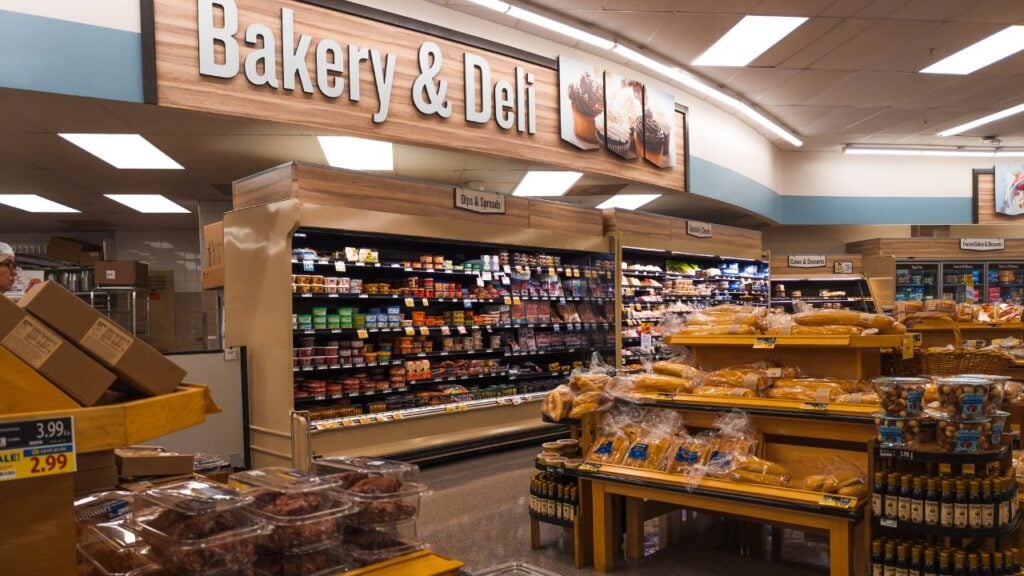
Food Lion opened two brand-new South Carolina stores this year, on Two Notch Road in Elgin and West Georgia Road in Simpsonville.
Both came with a self-service wing and hot favorites bar, and shoppers have already worked out which counters are worth the stop.
8 Food Lion Deli and Bakery Buys South Carolina Shoppers Grab Every Week
Fact or Fiction? 10 Pieces of Weather Lore South Carolina Grandparents Swore By

A woolly worm crawled across a driveway in Anderson County last October, and three generations stopped the car to read its stripes.
Grandpa called a hard winter on the spot. The National Weather Service tells a different story.
Fact or Fiction? 10 Pieces of Weather Lore South Carolina Grandparents Swore By
