

8 Things Virginia Funeral Directors Wish Families Knew Before They Needed Them

A Virginia family that prepays $10,000 on a guaranteed-price funeral contract has $9,000 of it placed in trust.
State law doesn’t require the other thousand to sit anywhere.
These are the things Virginia funeral directors wish families knew before they needed them.
Note: This is general information, not legal or financial advice. Funeral rules, fees, and consumer rights are subject to change.
1. The Mandatory Price List
Virginia funeral homes have to hand you a written, itemized general price list the moment you ask for it.
That’s a right the Federal Trade Commission’s Funeral Rule has guaranteed since 1984.
They can’t wait until after you’ve already set the arrangements.
The list comes first.
Every casket, every service, and every fee has to show a separate price, not one bundled number that hides what any single piece costs.
You can ask for that same information over the phone, and a funeral director can’t demand your name or a reason before answering.
2. The Fee You Can’t Skip
Virginia funeral directors are allowed exactly one fee you can’t decline.
It’s the basic services fee.
That fee covers the staff time behind planning the arrangements, filing the permits, and coordinating everything else before you see a single casket.
Every other line on the price list is optional.
You can decline embalming, decline a viewing, or decline a casket tier.
The funeral home then has to remove that cost rather than fold it back in somewhere else.
Nothing else is required.
Psst! How prepared is your family for a funeral? Run through this checklist and see where you stand.
3. Caskets Bought Elsewhere
Virginia funeral homes can’t charge you a handling fee when your family shows up with a casket bought elsewhere.
Not from Costco, not from an online casket retailer, not from a family member who built a casket by hand.
The choice is yours.
The funeral home still has to accept the casket, store it, and use it exactly like a casket purchased on-site, without adding a fee.
Few families ever ask about this option before they’re already sitting in a showroom.
4. The Markup Disclosure Rule
Virginia funeral homes handle many costs that pass through their office without belonging to them.
Flowers, an officiant’s fee, extra certified copies of the death certificate, all of it counts.
The Federal Trade Commission (FTC) lets a funeral home add a markup to these cash advance items.
That’s the catch: Disclosure, not permission, so a markup can never sit hidden inside another number.
Every cash advance item on the price list has to note when a markup applies.
Ask to see it.
That disclosure lets you see the difference between what something costs and what the funeral home charges for arranging it.
5. Guaranteed Price, Not Guaranteed Trust
If you prepay for a funeral in Virginia, you may assume a “guaranteed price” contract locks your money away in full.
State law requires funeral providers to place only 90% of that payment in trust when a contract guarantees the price, not the full amount.
Only 90% is protected.
A non-guaranteed contract, by contrast, has to go into trust dollar for dollar.
Ask which kind of contract is on the table before you sign anything because “guaranteed” describes the price, not where your money sits.
The Math Behind Virginia’s 90% Rule
A Virginia family that prepays $10,000 on a guaranteed-price preneed contract sees $9,000 of it placed in trust.
The other $1,000 isn’t required to sit in trust.
Virginia law doesn’t specify what happens to that portion once the contract is signed.
6. 48-Hour Embalming Clock
Virginia doesn’t require embalming for a typical burial or cremation.
No state does, according to the Federal Trade Commission (FTC).
What Virginia law does set is a clock.
The clock still runs.
Once a funeral establishment has had a body in its custody for more than 48 hours, state regulation requires refrigeration at about 40 degrees or embalming.
Embalming itself needs your family’s express permission first.
A funeral home can’t treat your silence as consent.
7. No Casket for Cremation
Virginia crematories can’t require a casket before cremation.
State regulation is direct about it: No crematory may demand human remains “be placed in a casket before cremation.”
A simple cremation container works instead.
Virginia’s rule defines it by what it does, not what it costs.
The material has to burn easily, close completely around the remains, resist leaking, and stay rigid enough to handle safely.
You might assume a full metal casket is the only cremation option a funeral home will sell you.
You get options.
The cremation container costs far less, and Virginia’s rule protects your right to ask for it.
8. The Cemetery’s Vault Rule
No Virginia law requires a burial vault or grave liner.
Cemeteries often do.
A state regulation requires every Virginia funeral establishment to disclose exactly that in writing before a family prepays for a funeral.
The required wording is blunt: State and local laws in most places don’t make a family buy a container to surround the casket in the grave.
The reason cemeteries ask for one usually comes down to upkeep.
A vault keeps the ground from settling as a casket breaks down, and it makes mowing and grading easier for the grounds crew.
That requirement comes from the cemetery’s contract, not from any state office in Richmond.
Getting the cemetery’s rules in writing before you agree to a vault costs nothing and settles the question for good.
Where a Complaint Goes
Virginia licenses every funeral director and embalmer through the Board of Funeral Directors and Embalmers, part of the Department of Health Professions.
You can look up a funeral home’s license standing before signing anything.
The same office takes complaints when something goes wrong, from a mishandled body to a price list that never showed up.
Few know it.
That’s a state office, not the funeral home’s customer service line.
Filing goes through the Department of Health Professions in Richmond, the same office that licenses the funeral home in the first place.
9 Rules for Renting Out a Room That Virginia Homeowners Get Wrong

A Virginia homeowner now has to wait 14 days, not five, before taking a nonpaying roommate to court.
These are the rules for renting out a room that catch homeowners who assumed a spare bedroom worked like any other lease.
9 Rules for Renting Out a Room That Virginia Homeowners Get Wrong
8 Things a Closed Waffle House Means for Virginians Before a Storm
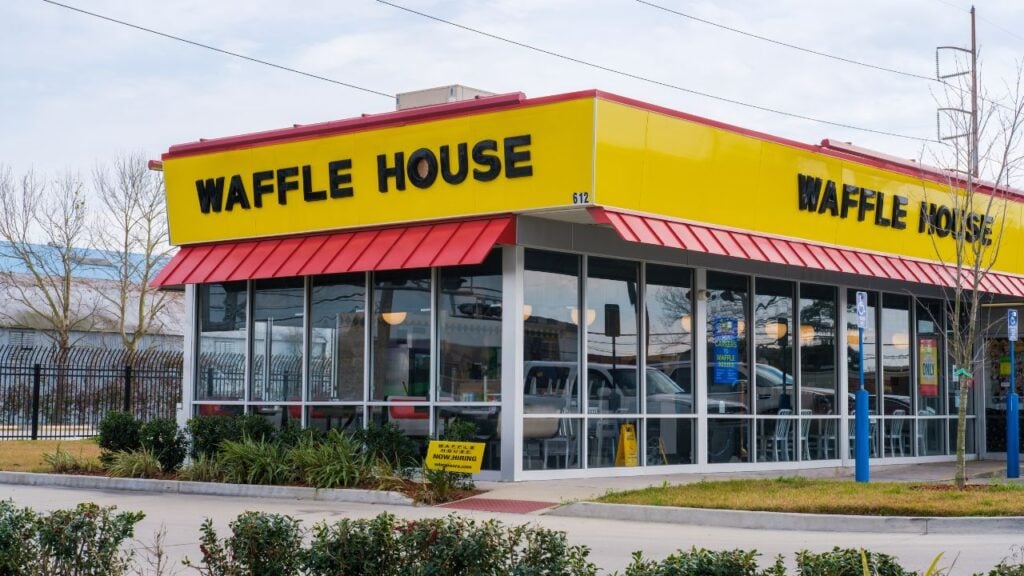
Waffle House stays open through winter storms and hurricanes across Georgia, the Carolinas, and Virginia, right up until the moment it physically can’t.
These are the things a closed Waffle House location signals to Virginians before the next storm arrives.
8 Things a Closed Waffle House Means for Virginians Before a Storm
