
9 Downsides of New York Life Locals Complain About

What does it cost to love New York?
More than some locals will admit. The bills arrive from every direction, January through December.
These are the downsides of New York life that even the proudest locals complain about.
1. Leading the Nation in Property Taxes
Westchester County homeowners pay the highest average property tax bill of any county in America, at $18,386 a year, according to ATTOM’s latest property tax report.
That’s the average, not the worst case.
Rockland County lands near the top of the same national list, and Nassau isn’t far behind.
Upstate doesn’t escape either because counties there charge some of the steepest rates in the country compared to home values.
So a New Yorker with a paid-off house still writes a check every year that would cover a decent used car.
Locals joke that nobody owns a home in New York. You lease it from the county.
2. Six Months of Winter
Cold air crossing the Great Lakes picks up moisture and dumps it on New York as lake-effect snow.
Syracuse regularly wins the title of snowiest big city in America, averaging around ten feet of snow a year.
Buffalo and Rochester post totals nearly as high, and the upstate cities compete every winter for a trophy called the Golden Snowball.
The season starts in November, and April snow surprises nobody.
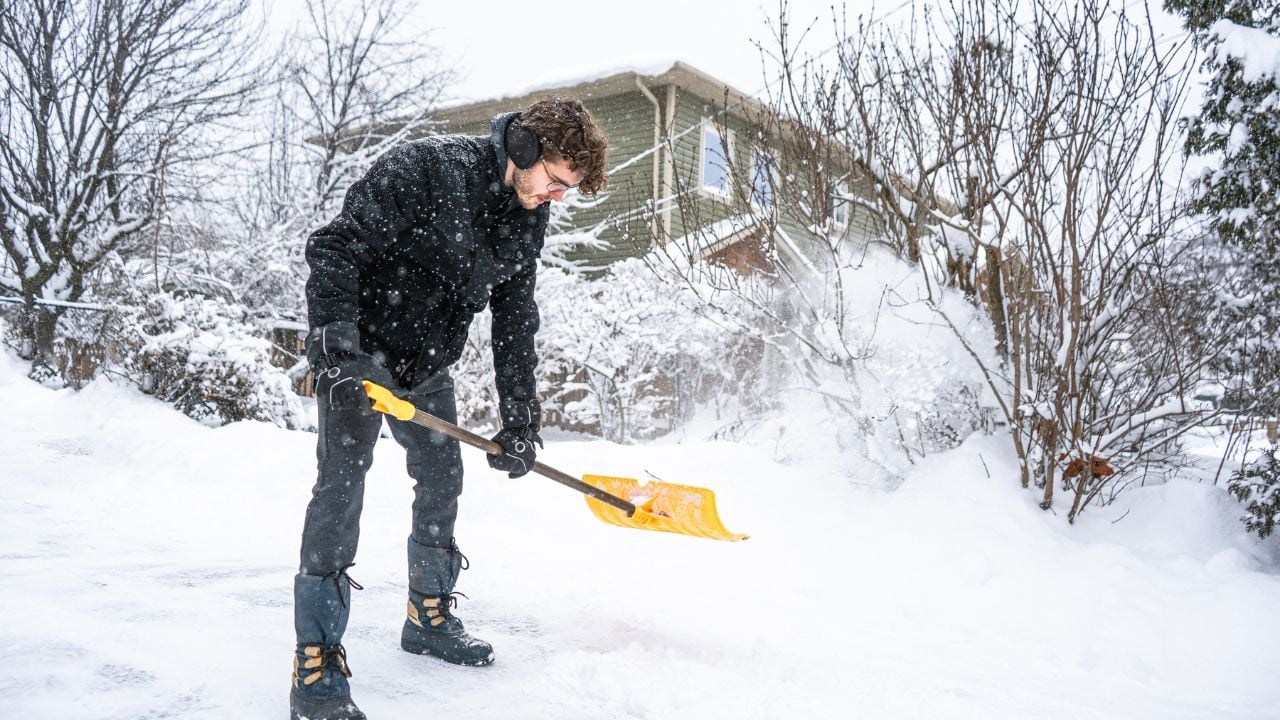
Shovels stay by the door for half the year, and every New Yorker over 40 holds a firm snowblower opinion.
3. Electric Bills Near the Top
Residential electricity in New York averaged about 30 cents per kilowatt-hour in early 2026, among the highest prices in the country.
The national average sits far below that.
State data show the price rose about 14 percent in a single year.
Run the air conditioner through a muggy July, then heat the same drafty house through a Syracuse January, and the bill stings twice.
Con Edison and National Grid customers compare bills every winter, and nobody wins.
4. Tolls From Every Direction
Driving across New York costs money before you count the gas.
The Thruway charges by the mile, and rates rise again in January 2027 under a schedule the Thruway Authority already approved.
Drive into Manhattan instead, and New York City’s congestion toll takes $9 from most cars entering below 60th Street at peak hours.
That charge stacks on top of whatever bridge or tunnel toll you paid to reach the island.
The Metropolitan Transportation Authority (MTA) plans to raise the congestion toll to $12 in 2028 and $15 in 2031.
A family visit from Albany to Brooklyn can cost more in tolls than in coffee stops.
5. Longest Commutes in America
Workers in New York have posted the longest average commute of any state, at about 33 minutes each way.
Subway delays get the headlines.
But the number covers the whole state, from Long Island Rail Road platforms to Route 17 backups upstate.
That’s more than an hour a day, every working day, spent getting somewhere else.
New Yorkers plan around it, with a podcast picked and the coffee timed.
Psst! Before you read on, take our New York quiz. Many lifelong New Yorkers miss at least two.
Quiz
New York Trivia
Answer these questions about the Empire State. We bet at least two will stump you. Prove us wrong?
6. Half-Million-Dollar Starter Homes
The typical New York home is worth about $508,000, according to Zillow, and values rose again over the past year.
That number hides a split.
A house in Syracuse might list under $200,000, while the same square footage in the Hudson Valley or on Long Island costs triple that.
Buyers downstate compete with all-cash offers.
And a higher sale price on your block feeds the next assessment, so the property tax bill grows right along with the value.
Renters don't get relief either because apartment demand in New York City stays high year-round.
7. Taxes on Top of Taxes
New York carries the heaviest state and local tax burden in the country, according to a Tax Foundation analysis.
Income tax, sales tax, fuel taxes, and fees stack up on the same paycheck.
New York City residents pay an extra city income tax on top of the state's cut.
Analysts measure tax burdens a few different ways, and New York lands at or near the top in every version.
8. Road Salt and Pothole Season
Winter's damage doesn't end when the snow melts.
Road salt corrodes brake lines, rocker panels, and exhaust systems, and upstate mechanics spend every spring underneath rusted cars.
Then come the potholes.
Freeze-thaw cycles crack the pavement, and drivers spend April steering around the holes they've memorized.
Car washes sell undercarriage rinses all winter for a reason, and New Yorkers who skip them pay for it at inspection time.
9. Neighbors Keep Heading South
United Van Lines' latest annual movers study put New York among the top outbound states once again.
Retirement and family pull people toward Florida and the Carolinas, and lower costs keep them there.
Movers nationwide named family, new jobs, and retirement as their top reasons in the same study.
Every New Yorker knows the routine by now: The For Sale sign, the goodbye party, the group chat photos of a driveway with palm trees.
The leavers come back to visit in July, when New York looks its best, and most admit somewhere between the bagel run and the pizza slice that the food down south doesn't measure up.
Then they drive home to their lower tax bills, and the New Yorkers who stayed get the last word until the next assessment shows up in the mail.
11 New York Restaurants Everyone Misses
New York City loses restaurants every week.
A few of them took a piece of the city with them when they closed, and no amount of money has brought them back.
11 New York Restaurants Everyone Misses but Nobody Can Bring Back
8 New York Towns That Go All Out for the Fourth of July

New York City gets the postcard fireworks over the East River.
Drive a few hours upstate, and you'll find the small towns that treat the Fourth like the biggest day on the calendar.
