

9 Florida Homestead Exemption Deadlines Homeowners Miss Every Year

Florida ties its homestead exemption to a calendar many homeowners check once and forget.
But a missed date can cost hundreds of dollars.
These are the Florida homestead exemption deadlines homeowners miss every year, and what each one can cost you.
Note: This is general information, not legal or tax advice. Homestead exemption rules and filing deadlines are subject to change, so confirm the current details with your county property appraiser.
1. Missing March 1 Costs You the Whole Year’s Exemption
Florida law sets one filing deadline for the homestead exemption itself: March 1 of the tax year.
If a homeowner misses it, the exemption doesn’t apply to that year’s tax bill at all.
There’s no partial credit.
The exemption comes back the following year automatically once it’s on file, but the year a homeowner missed is gone for good.
2. A Late Filing Still Has a Deadline Too
Homeowners who miss March 1 can petition the county Value Adjustment Board instead of losing the exemption outright.
That petition has to be filed by the 25th day after the property appraiser mails the Truth in Millage (TRIM) notice, along with a $15 fee.
Twenty-five days, not forever.
The board only grants it if the homeowner shows extenuating circumstances for missing the original deadline.
Count From the TRIM Notice, Not From March 1
Florida’s TRIM notices go out in mid-August, so the 25-day window usually lands in early-to-mid September, months after the March 1 deadline everyone remembers.
Missing March 1 doesn’t automatically mean losing the exemption for the year. It means switching from a guaranteed filing to a petition that costs $15 and requires showing extenuating circumstances.
3. Buying a Home After January 1 Means Waiting Until Next Year
Florida ties homestead eligibility to who owns and lives in the home as of January 1 of the tax year.
The date matters more than the deed.
No exceptions apply.
A homeowner who closes in March or October still has to wait for the following January 1 before that year’s exemption is possible.
The ownership and residency test wasn’t met in time.
Close in December, and the wait is barely a month.
Close in January, and it is nearly a full year.
4. Portability Only Works Within a 3-Year Window
Florida’s portability rule lets a homeowner move their Save Our Homes assessment cap to a new homestead.
That transfer only works if the homeowner received a homestead exemption in at least one of the 3 years immediately before the new application.
Three years, not five.
Wait longer than that between homes, and the accumulated cap doesn’t carry over to the new property.
5. Missing That Window Can Erase a $500,000 Head Start
Save Our Homes caps annual increases in a home’s taxable value, and long-time owners can build up a wide gap between market value and taxable value over the years.
Portability lets up to $500,000 of that gap transfer to a new home, but only inside the 3-year window.
If a homeowner misses that window, it’s gone.
The cap resets instead.
The new home is taxed on its full assessed value instead, with no credit for years of accumulated savings.
Psst! Keep losing track of which Florida homestead deadline comes next? This table lines them up side by side.
6. Losing Eligibility Comes With a Reporting Deadline
Homeowners have to tell the property appraiser promptly once a home stops qualifying, whether it’s rented out, sold, or no longer the owner’s primary residence.
Silence isn’t an option.
Florida law gives the appraiser room to go back and recapture taxes on years the exemption should have ended, plus penalty and interest.
7. A 30-Day Window Follows Any Notice of Ineligibility
Once the appraiser sends notice that a homestead no longer qualifies, the homeowner gets 30 days to pay the back taxes before a lien can be filed against the property.
Thirty days, then a lien.
That window applies whether the change was reported by the homeowner or discovered by the appraiser’s office later.
8. Add-On Exemptions Don’t Renew the Way the Base Exemption Does
The base homestead exemption renews automatically each year as long as nothing changes, but that automatic renewal doesn’t always extend to the extras layered on top.
The extras need a renewal too.
Senior, veteran, and disability exemptions can carry separate income limits or documentation requirements that have to be re-confirmed.
Nothing flags the gap automatically.
A homeowner who assumes everything renewed together can lose an add-on worth hundreds of dollars a year without ever missing the base exemption.
9. Homeowners Treat the Exemption as Permanent, and Florida Doesn’t
Every deadline above exists because the exemption isn’t a one-time award.
Nothing here is automatic.
The state checks that status every year, whether or not a homeowner remembers to.
It has to be checked, and in some cases re-filed, every single year, even when nothing about the home has changed.
Homeowners who treat March 1 as the only date that matters find out about the rest of this list the hard way. The bill arrives instead of a reminder.
6 Things That Change for a Florida Homeowner Once Your Roof Hits 15 Years
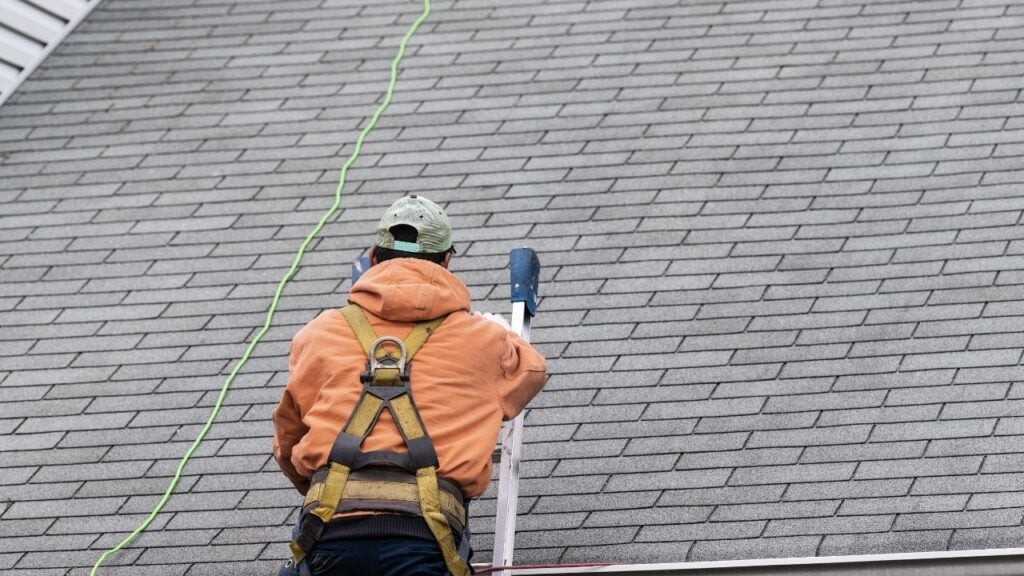
A roof’s 15th birthday changes more than its color in Florida. Insurers treat that milestone as a line many policies won’t cross without a new roof or a fresh inspection.
Premiums, inspections, and even whether a policy renews at all can shift the moment a Florida roof crosses that age.
6 Things That Change for a Florida Homeowner Once Your Roof Hits 15 Years
8 Septic and Well Rules Florida Buyers Inherit With Their House
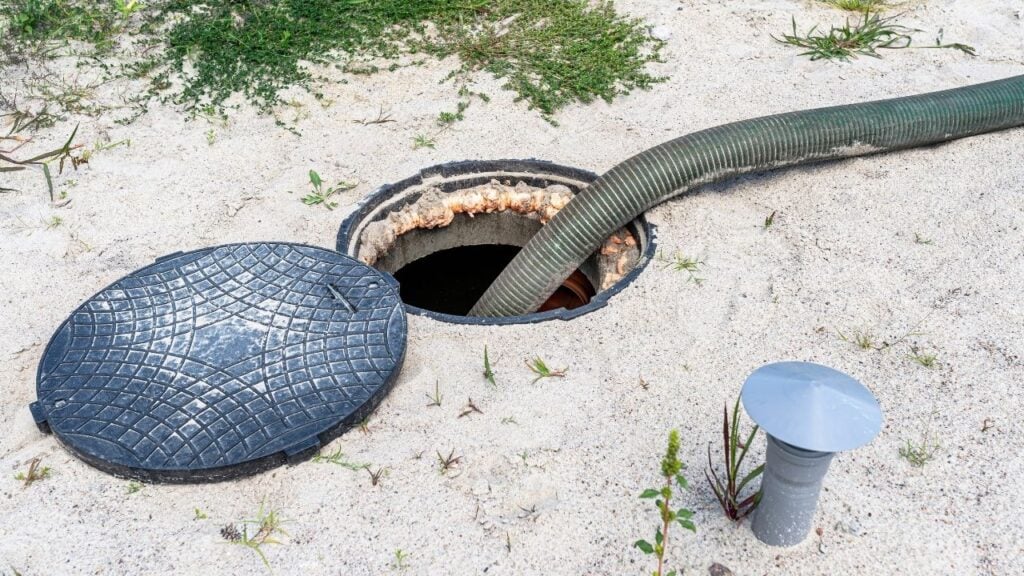
About 30% of Florida’s population relies on a septic system, and every one of those systems comes with rules attached to the land itself, not the seller.
A buyer inherits those obligations on closing day, whether or not anyone mentioned them during the walkthrough.
8 Septic and Well Rules Florida Buyers Inherit With Their House
