
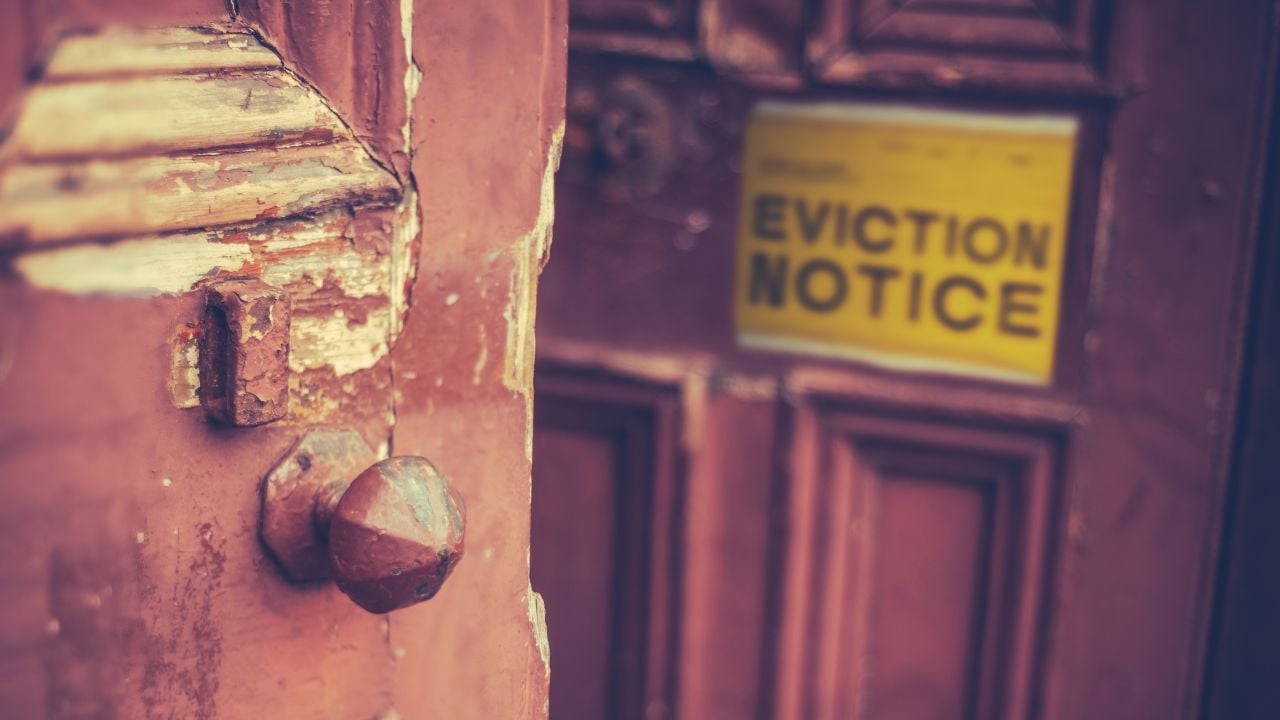
9 Florida Squatter Laws Homeowners Learn Too Late

A snowbird flies back to her Cape Coral condo in November and finds the locks changed and a stranger’s patio chairs on her lanai.
The man inside says he signed a lease, and he waves a paper to prove it.
She never rented the place to anyone.
These are the Florida squatter laws homeowners learn too late.
Note: This is general information, not legal advice. Laws and procedures are subject to change. Consult with an attorney about your situation.
1. Seven Years Erases a Deed
Florida recognizes adverse possession, the doctrine that can turn a long-term squatter into the legal owner of your land.
Hold someone else’s property out in the open for seven years, under a claim of right, and the law can hand them the deed.
Seven years.
The possession has to check five boxes: It must be actual, open, notorious, exclusive, and continuous.
It also has to be “hostile,” which sounds like a brawl but only means the person is there without your permission.
No anger required.
A back lot in Lehigh Acres nobody drives past, a rental you stopped checking after a move to the coast, an inherited parcel outside Ocala left to the palmettos.
Those are the properties where a stranger’s claim can build one slow year at a time.
2. The Squatter Pays Your Taxes
Florida bolts a safeguard onto adverse possession that a lot of states skip.
A squatter claiming your land with no paperwork has to pay the property taxes on it.
Every tax bill.
Under Florida Statute 95.18, the claimant has to cover the outstanding taxes within a year of moving in, then keep paying through all seven years.
They also have to file a formal return on the property with the county property appraiser within 30 days of that first payment.
Here’s the part that works in your favor: The appraiser then mails a notice to you, the owner of record.
So the very act of trying to take your lot puts your name on an alert.
Toss that letter from your Collier County appraiser unopened, though, and the clock keeps running without you.
3. A Recorded Deed Cuts Deeper
The tax rule sends most bare adverse possession claims straight into a wall.
A recorded deed is how a squatter gets around it.
When someone holds a written instrument that looks valid but carries a legal flaw, lawyers call it color of title.
File that flawed deed with the clerk of the circuit court, hold the property for seven years, and the claim can mature into ownership.
Recorded and waiting.
A forged quitclaim, a botched tax-deed sale, an heir who signed away land that wasn’t fully theirs, each can dress up as color of title.
The document doesn’t have to be honest to start the clock, and it only has to look like a conveyance.
That’s why a deed you never signed, sitting unnoticed in the Duval County records, is worth more worry than a tent in the side yard.
4. Squatter, Tenant, or Trespasser
The label on the person in your Florida house decides everything about how you get them out.
A trespasser broke in and never had permission.
A squatter slipped into an empty place and stayed.
A tenant signed a lease, even a spoken one, and then stopped paying or overstayed.
Three labels, three different roads.
Mislabel the person, and you file the wrong case and start the whole thing over.
The real trap sits with anyone who was ever your tenant, since the fast removal law coming up can’t touch a current or former renter.
Let a squatter talk you into taking $200 in “rent” one month, and you may have just handed them tenant status.
Then you’re stuck with a full eviction instead of a phone call to the sheriff.
5. The Sheriff Fast Lane
For years, a Florida owner who found a squatter faced the same slow court grind a landlord does.
That changed on July 1, 2024.
Gov. Ron DeSantis signed House Bill 621, and it handed owners a way to call in the sheriff instead of a lawyer.
You file a sworn affidavit with the county sheriff swearing to the basics: You own a residential dwelling, the person entered unlawfully and won’t leave, there’s no lease, they aren’t family, and no lawsuit is pending.
The sheriff can then serve a notice to immediately vacate and remove anyone who stays.
No months in court.
It only works on a home, not a vacant lot or an empty storefront, and never against someone who once rented from you.
A snowbird landing back in Fort Myers in November can have a stranger out in days instead of seasons.
Psst! How much do you know about Florida property law beyond squatters? Take our quiz and see if you can ace it.
Quiz
Florida Property IQ
Answer these questions on Florida homes, deeds, and property law. We bet you can’t get them all right. Prove us wrong?
Florida’s constitutional homestead protection shields your home from most creditors up to what dollar limit?
6. Squatting Became a Crime
House Bill 621 did more than speed up removals, and it also made several squatter moves criminal.
Wreck the place while you're squatting, and the damage alone is a charge.
Intentionally cause $1,000 or more in damage to a home you're occupying unlawfully, and Florida calls it a second-degree felony.
List a house you don't own for sale or rent, and it rises to a first-degree felony.
Big jump.
Handing a deputy a fake lease or a forged deed carries its own first-degree misdemeanor charge on top.
The fraud rings that flipped empty Miami-Dade and Osceola homes into fake rentals are the exact target.
Squatting in Florida stopped being just the owner's private headache to untangle.
7. Lock Them Out, and You Pay
Finding a stranger in your empty Florida house makes changing the locks tempting.
Bad idea.
Florida bans self-help eviction, and the penalty for it isn't small.
Cut the power, bolt the doors, or drag out someone's belongings, and a tenant can sue you for their actual damages or three months' rent, whichever is larger, plus your own legal bills.
The new sheriff law carries a sting for getting it wrong, too.
Swear out a false affidavit to remove someone who had a right to stay, and you can owe triple the home's fair-market rent, court costs, and their attorney fees.
The state built a fast lane and a guardrail in the same law.
Run the person off on your own, and you can end up the one writing checks.
8. A Holdover Tenant Needs a Judge
A holdover tenant is the renter whose lease already ended and who won't hand back the keys.
They feel like a squatter, but Florida doesn't treat them like one.
Because a lease once existed, you can't call the House Bill 621 sheriff line on them at all.
You file a formal eviction under Chapter 83, serve the right notice, and wait on a county judge.
It goes to court.
The lease also sets how much notice you owe before you can even start, and skipping a step resets the whole case.
Treat a holdover tenant in Orlando like a trespasser and pull their door off, and a judge can toss your case on day one.
9. The Guest Who Won't Go
The hardest person to remove in Florida is often the one you invited in.
A grown kid, an ex, or a friend who crashed after a hurricane never signed a lease and never paid a dime of rent.
That's not a squatter, and it isn't a tenant either.
So it isn't an eviction.
Florida routes a no-lease houseguest through an unlawful detainer action under Chapter 82, a separate track from eviction entirely.
You can't send a deputy to haul your brother-in-law out under House Bill 621, since he didn't break in, and you can't evict him under Chapter 83, since he was never your tenant.
Pick the wrong chapter for the person asleep in your Port St. Lucie guest room, and a judge can toss the case before it starts, handing him a few more weeks under your roof.
7 Warning Signs Florida Homeowners Are Being Targeted by Deed Fraud

The scariest way to lose a Florida house never involves a broken window.
It starts with a signature that looks just enough like yours, and the warning signs show up in your mail long before anyone shows up at the door.
7 Warning Signs Florida Homeowners Are Being Targeted by Deed Fraud
9 Paint Colors That Can Get Florida Homeowners an HOA Letter

You own the house, but your Florida homeowners association may still decide what shade the front door gets to be.
A few popular colors draw a violation letter faster than the rest, and some of them might surprise you.
9 Paint Colors That Can Get Florida Homeowners an HOA Letter
