
9 Florida State Park Rules Regulars Rarely Break but Tourists Do

Feed a wild alligator in a Florida state park, and it’s not a slap on the wrist.
It’s a criminal charge, up to a $500 fine, and a possible night in jail.
Regulars know that rule cold, along with a handful of others that many tourists never notice.
These are the Florida state park rules that Floridians rarely break.
Note: This is general information, not legal advice. Park rules, fees, and penalties are subject to change, so confirm the current details with Florida State Parks.
1. Leash It at Six Feet
Florida’s state parks cap every leash at six feet, and it doesn’t matter how big or small the dog is.
Not seven feet. Not a retractable leash cranked out to ten.
Six feet, hand-held, dog under control for the whole visit.
The same limit covers cats, and no pet gets onto a beach, boardwalk, playground, or swim area under the system’s default rule.
A handful of parks skip pets entirely, including Weeki Wachee Springs and Homosassa Springs, both built around swimming and wildlife exhibits that don’t pair well with a leash.
Regulars also stop at four pets per visit, the park system’s own cap.
The limit stops there.
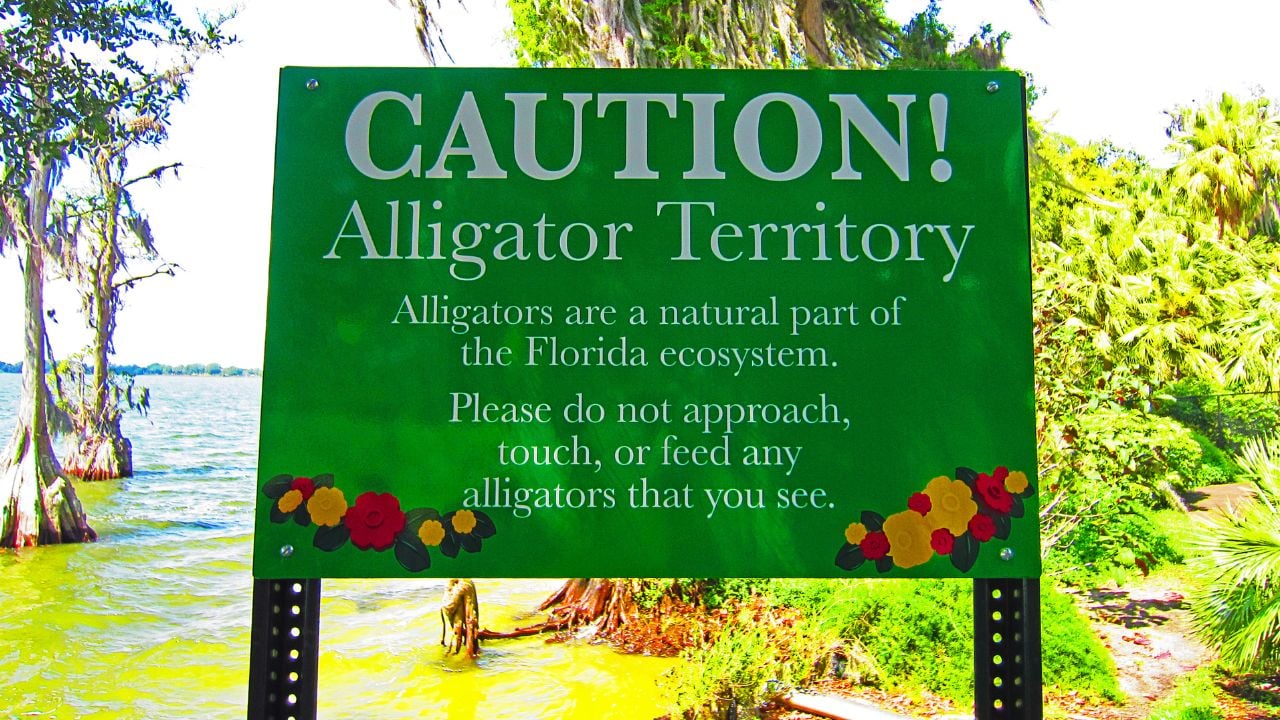
2. Feeding a Gator Is a Crime
State law protects every alligator inside a Florida State Park, and feeding one is a criminal matter, not a rule of thumb.
Florida Statute 372.667 makes it illegal to feed or entice any wild alligator or crocodile, full stop.
A first offense is a second-degree misdemeanor, punishable by up to 60 days in jail and a fine as high as $500.
Feeding one is never harmless.
A gator that learns to link people with food loses its fear of them, and wildlife officers often end up relocating or euthanizing it because of that one handout.
Regulars keep every scrap of food zipped away and never toss so much as a chip near the water’s edge.
3. Sunset Is Closing Time
Every Florida State Park closes its day-use areas at sunset, 365 days a year, with no summer extension and no holiday exception.
Gates open at 8 a.m., and the clock runs the same in July as it does on Christmas morning.
No exceptions.
A car still parked past sunset can mean a locked gate, a ranger’s knock, or a citation, depending on the park.
Campers plan the last swim, the last paddle, and the last hike around the sun, not the clock on a phone.
4. Camp Curfew Hits at 11
Florida’s state park system enforces an 11 p.m. curfew at every campground, running through 7 a.m.
Generators go off, music stops, and voices drop, no matter how good the campfire conversation is going.
Pets follow the same clock, so a dog or cat has to stay confined inside the camping unit during those hours, not tied up outside the tent.
Same clock, every campsite.
A ranger’s flashlight finds a noisy site fast.
Longtime campers set a phone alarm for 10:45, just to be sure their site has settled down before the deadline hits.
5. Alcohol Stays in Its Lane
Alcohol only flows in a short list of places inside a Florida State Park, and the open picnic table by the trailhead isn’t one of them.
Drinking is allowed inside a reserved campsite or cabin, inside a pavilion whose rental contract permits it, at a concessionaire’s restaurant, or during a park-sanctioned special event.
Anywhere else?
Off the table.
A cooler of beer at a random picnic pavilion, without that alcohol clause written into the rental agreement, can get a ranger’s attention fast.
A reserved site or a permitted pavilion is the only legal path to a cold drink inside the gates.
6. Swim Only Where the Signs Allow
Florida State Parks confine swimming, boating, and open fires to areas marked for exactly that, and nowhere else on the property.
A calm, glassy stretch of lake outside the buoys can look like the better spot for a swim.
It’s off-limits anyway.
The line exists because alligators, boat traffic, and unmarked drop-offs turn an unposted shoreline into a genuine hazard, not just a technicality.
A ranger treats a swimmer past the buoys the same way as any other posted-area violation, citation included.
7. Nothing Leaves With You
Nothing natural is supposed to leave a Florida State Park, and the list of banned souvenirs runs longer than many people guess.
Rocks, shells, driftwood, firewood, wildflowers, even a fallen palm frond all count as park property, and picking any of it up to take home breaks the rule.
Metal detecting is off-limits everywhere except a few coastal parks, and even there, anything over 50 years old has to stay behind.
You can look.
You can’t keep it.
Photos and sunburn are the only souvenirs Florida State Parks allow.
Psst! How much do you know about Florida’s state parks beyond the rules? Take our quiz and see how many you can get right.
Quiz
Florida State Park IQ
Answer these questions on the history and records behind Florida’s state parks. We bet you can’t get them all right. Prove us wrong?
At Myakka River State Park’s Deep Hole sinkhole, how many hiking permits does the park hand out each morning to see the alligators gathered there?
8. Drones Stay Grounded
Every drone stays grounded inside a Florida State Park, no launching and no landing, except in a genuine emergency.
That covers a quick flight over the parking lot just as much as one over the springs.
The rule exists for nesting birds, which can mistake a hovering drone for a predator and abandon a nest mid-season.
Not even for sunset shots.
One flight can wreck a season's brood.
Regulars who want aerial shots of the springs or the coastline ask for permission first, or they leave the drone in the car.
9. Annual Pass Has Limits
Florida State Parks sell an annual pass for $60 a person, or $120 for a family pass covering two named holders and up to eight people total.
That pass is non-transferable and tied to the name on it.
No lending it out.
The named holder has to show photo ID at the gate every single time, even when the attendant recognizes the face.
Clubs, churches, scout troops, and any commercial outfit are barred from using a personal pass too, even when a member happens to own one.
How Far Ahead You Can Reserve a Site
Florida State Parks let Florida residents reserve a campsite or cabin up to 11 months ahead through the state's Reserve America booking system.
Visitors from out of state get 10 months, one month behind residents, every time.
That month matters.
Some sites at parks like Anastasia and Bahia Honda draw enough demand to fill fast once the window opens, so regulars set a reminder for the exact morning theirs does.
Miss that morning, and campers either scramble for whatever site is left or push the whole trip to a different weekend.
Florida State Parks hold a reserved site or cabin only until the following day's check-out time if nobody shows up.
Skip the courtesy call to cancel, and the system closes out the rest of the reservation as a no-show, first night's charge included.
What Florida State Parks Charges to Cancel
Florida State Parks charges $17.75 to cancel a reservation, on top of a $6.70 booking fee that's normally non-refundable.
Cancel within 24 hours of booking, though, and both fees disappear.
Wait until your arrival date to cancel, and the park keeps that fee plus your first night's charge.
5 Things That Change in Florida the Week School Starts Back
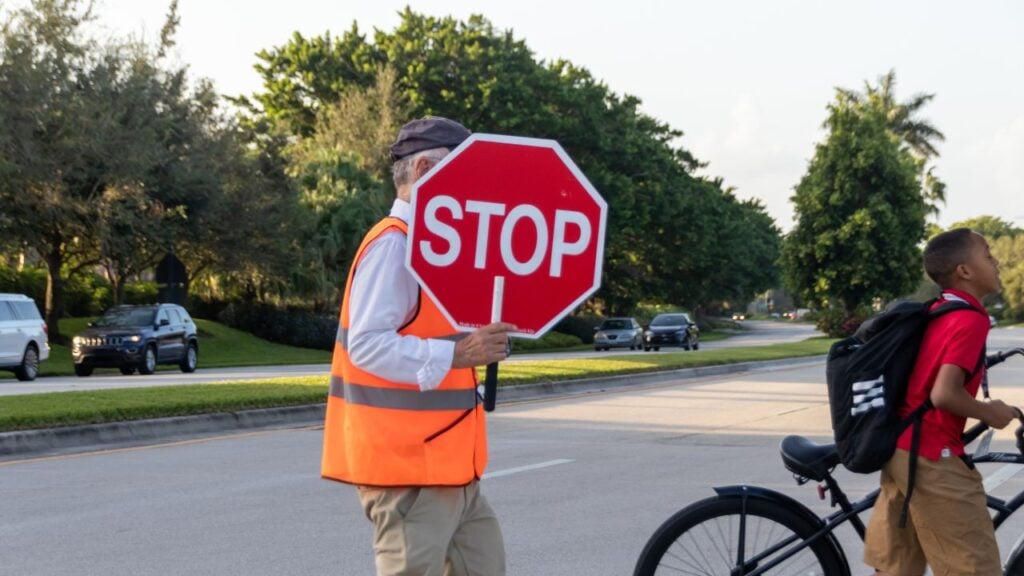
Traffic patterns shift, park crowds thin out on weekday mornings, and Florida's whole daily rhythm resets the week the school bell rings again.
It happens every August, and many residents feel it before they ever check a calendar.
5 Things That Change in Florida the Week School Starts Back
9 Money Mistakes Florida Homeowners Make Every Hurricane Season
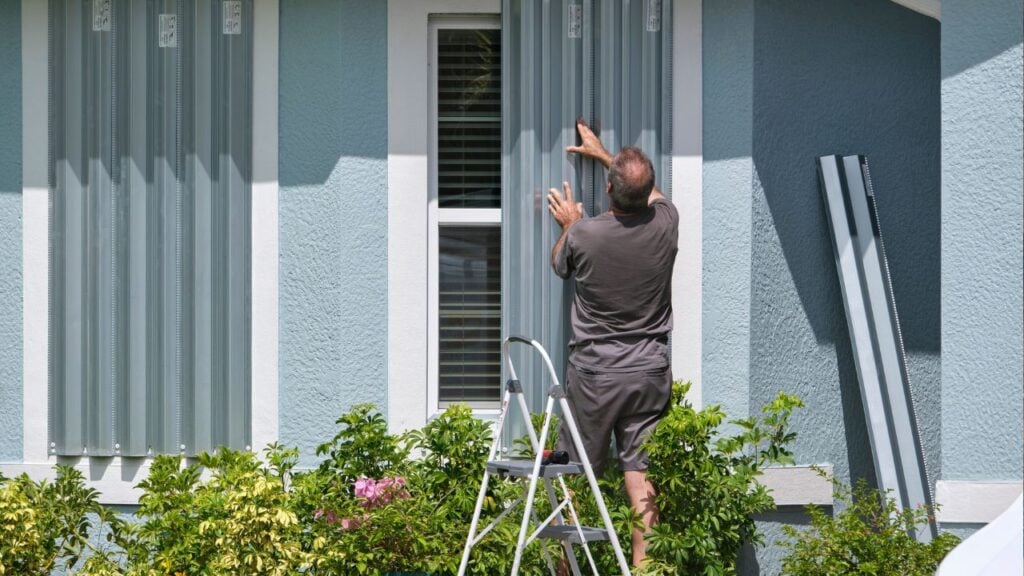
Storm shutters go up, gas cans fill up, and every year a few costly missteps slip past Florida homeowners bracing for the season.
Some of them show up on the insurance bill months after the storm has already passed.
9 Money Mistakes Florida Homeowners Make Every Hurricane Season
