
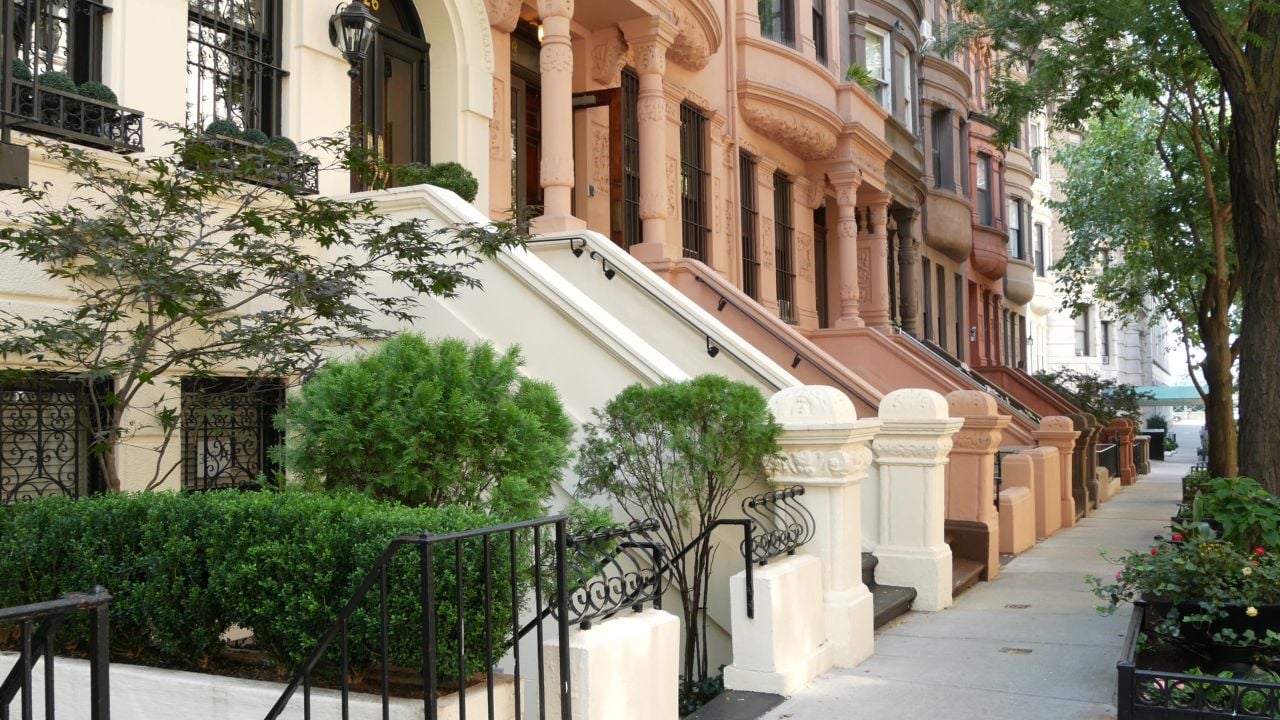
9 New York Costs Even Lifelong New Yorkers Can’t Justify Anymore

Ask a native New Yorker what they love about their city, and the list runs long.
Ask what they’d change, and the answer comes back in dollar signs.
These are the costs lifelong New Yorkers can’t make peace with.
High Rent
Nothing tests a New York City lease renewal like watching rent go up while the quality of the apartment stays the same.
The median Manhattan rent reached $5,000 a month in early 2026, an all-time high.
That’s the middle of the market, not the penthouse.
Older New Yorkers remember when $5,000 was a down payment on a mortgage.
Now it’s a one-bedroom rent with a radiator that clanks all winter.
The $3 Subway Swipe
Every New York City commute starts with a tap that costs more this year than last.
The base subway and local bus fare rose to $3 in January 2026, up from $2.90.
A quarter here and a dime there sounds small until you multiply it by two rides a day, five days a week.
The one mercy is the OMNY weekly cap.
Tap enough that you hit $35 in a week, and the rest of the week rides free.
New Yorkers still remember the token, and they’ll tell you the price with a straight face.
Driving Below 60th Street
Bring a car into Manhattan’s core now, and New York City charges you at the door.
Congestion pricing took effect in January 2025, and a passenger car with E-ZPass pays $9 to enter the zone during peak hours.
The zone covers everything south of and including 60th Street.
You get charged once a day, no matter how many times you cross in.
That’s little comfort to a native New Yorker who’s driven those streets free for fifty years and now pays for the privilege.
Parking a Car at All
Owning a car in New York City means the meter runs even when your engine’s off.
A monthly garage spot in Manhattan runs $600 to $1,400, depending on the neighborhood.
Then the city adds a parking tax of 18.375% on top of the garage rate.
So, a $700 spot can push past $800 once tax and oversized-vehicle fees pile on.
Plenty of New Yorkers do the math and give up their car.
The ones who keep it swear it’s worth every dollar… right up until the bill comes.
Psst! How much do you know about New York? Before reading on, take our quiz and see if you can score 100%.
The Broker Fee That Used to Sting
For decades, signing a New York City lease meant paying a stranger a fee just for unlocking the door.
Broker fees often ran 12 to 15% of the annual rent, which meant $5,000 or more before you’d hung a single picture.
The FARE Act changed that in June 2025.
Now the party who hires the broker pays the broker, so most renters owe nothing.
New Yorkers who paid that fee three times over the years still bring it up like a fresh wound, because for years nobody could explain what the money was for.
Dinner Before the Tip
A meal out in New York City comes with two line items New Yorkers never voted for.
The sales tax on a restaurant bill runs 8.875%, the highest big-city rate in the country.
Then the expected tip stacks another 20% on top.
Add both, and a $60 dinner lands closer to $77 before you’ve left a dollar for the coat check.
Native New Yorkers do that math in their heads before they open the menu, and it takes the shine off the specials.
The City Income Tax
New York City residents pay a tax nobody outside the five boroughs ever thinks about.
On top of the state income tax, the city levies its own resident tax that runs up to 3.876%.
Cross the line into New Jersey or move up to Westchester, and that layer disappears.
Stack it with the state’s own rates, and a New York City paycheck carries one of the heaviest combined burdens in the country.
Lifelong New Yorkers know the deal, and they still open the pay stub sideways every two weeks.
A Trip to the Movies
Catching a film in New York City costs what a whole night out used to.
An evening ticket at a Manhattan theater tops $17, and the premium screens climb past $20.
That’s before popcorn, which carries its own zip code.
Matinees and Tuesday deals soften the blow, so New Yorkers plan around them the way they plan around anything expensive here.
Two seats and a snack can clear $50, and that’s for a movie you could stream at home for a fraction.
The Ride From the Suburbs
New Yorkers who left the city for a yard still pay New York prices to get back in.
Monthly passes on the Long Island Rail Road (LIRR) and Metro-North rose again in January 2026, adding $7 to $21 to the monthly bill.
Depending on where you board, a monthly pass runs up toward $500.
That buys you a seat, most days, and a platform full of people racing for the same door.
Add the fare to the parking at the station and the coffee you grab on the platform, and the commute becomes its own household expense.
New Yorkers who did the suburb swap for savings still laugh at the word.
10 Things New Yorkers Are Tired of Defending About Their State
Relatives in Florida and coworkers in Texas keep asking New Yorkers the same questions, and the answer takes longer than the flight home.
10 Things New Yorkers Are Tired of Defending About Their State
11 New York Restaurants Everyone Misses but Nobody Can Bring Back
New York City loses restaurants every week, and most of them fade without much fuss.
A few took a piece of the city with them when the lights went out, and no amount of money has brought them back.
11 New York Restaurants Everyone Misses but Nobody Can Bring Back
