
9 Publix Self-Checkout Habits That Slow Down Every Line in Florida

Publix runs 898 stores across Florida, more than any other state in the country.
Self-checkout backs up at many of them, and regardless of how you feel about self-checkout machines, it’s rarely because of bad luck.
These are the self-checkout habits slowing down Publix lines across Florida.
1. Not Having Your ID Ready
At Publix self-checkout, a shopper purchasing alcohol who leaves a driver’s license buried in their bag or a phone case turns a built-in pause into a longer one.
Publix’s kiosks still can’t clear a bottle of wine or a six-pack entirely on their own. Florida law requires an associate to check a form of ID before the sale goes through, and a touchscreen can’t check ID on its own.
So the machine pauses the moment alcohol scans, and in nearly every case, it waits for a Publix associate to walk over and clear it.
A regular who buys the same cabernet every Friday still faces that pause, since the law asks for a check, not a memory.
No ID, longer hold.
A shopper who already has ID out clears it in a beat. One who’s still digging through a bag when the associate arrives stalls the whole line behind them.
One paused scan can freeze a whole bank of self-checkout machines for a minute or two while the nearest associate finishes helping somebody else.
2. Skipping Your Coupon Clip
Publix’s digital coupons only work if a shopper clips them before reaching a self-checkout lane.
The app requires each coupon added to a Club Publix account ahead of time, and the savings only apply once a shopper types a phone number on the keypad at checkout.
Shoppers who forget that step scan their whole order first and only then remember the coupons sitting unused in the app.
Now they’re thumbing through the app while the belt behind them backs up.
No do-overs.
A cashier can sometimes patch a missed coupon in by hand. Self-checkout usually just waits.
3. Guessing the Produce Code
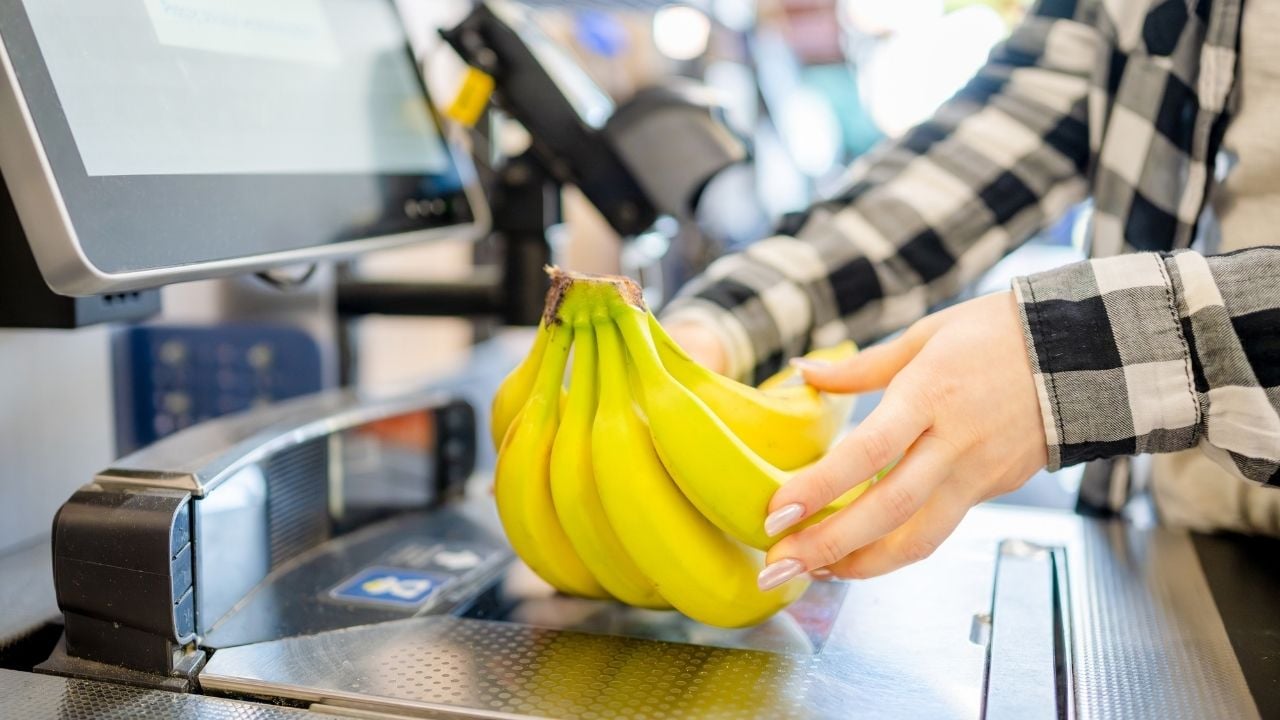
Publix’s self-checkout screen asks for a produce code the second a loose banana or a bag of Roma tomatoes hits the scale.
More than 1,500 codes exist across the produce industry’s shared lookup system, one for nearly every fruit, vegetable, herb, and nut sold loose.
Few shoppers have more than a handful memorized, so they tap through several screens of produce photos and categories instead of typing the number.
Publix’s screen sorts by category, not by a typed search, so there’s no faster route once the memory fails.
No search bar.
Pick the wrong item on a similar-looking screen, and the price is wrong too, which means a hold for a Publix associate to fix it at the register.
4. Bagging Before the Scan Finishes
At every Publix self-checkout station, a hidden scale weighs the bagging area after each scan to confirm the right item landed there.
Shoppers who bag straight into their own reusable tote, or who set two items down before the first one finishes registering, throw that weight check off.
The screen flashes an alert and locks the register until someone clears it.
The weight must match.
One rushed shopper trying to save time ends up losing more of it, and everyone behind them loses some too.
5. Flashing Your Phone Coupon
Publix’s own written coupon policy draws a hard line at the self-checkout screen: A manufacturer coupon shown on a phone doesn’t count.
It has to be paper, and any single manufacturer coupon worth more than $5 needs a manager’s approval before it’s honored.
A shopper who pulls up a screenshot or a coupon app, expecting it to scan like a barcode, ends up waiting on somebody with a keychain.
Two stops, not one.
Self-checkout rejects the phone coupon outright.
The paper coupon over the $5 line still needs a human sign-off, so either way, the checkout stops.
Psst! How much do you know about Publix and the tech behind self-checkout? Take our quiz and see how many you can get right.
Quiz
Publix Self-Checkout IQ
Answer these questions on Publix’s history, ownership, and the tech behind self-checkout. We bet you can’t get them all right. Prove us wrong?
What was George Jenkins’s very first store called when he opened it in Winter Haven in 1930?
6. Rushing the Scanner
Publix's self-checkout scanners run on the same barcode technology many self-checkout kiosks have used for years.
Payments industry researchers point to that aging tech as a reason scanning at self-checkout can feel clunky nationwide, with a beep that doesn't always keep pace with a fast hand.
A shopper moving quickly down a full cart, sliding each item past the scanner before the last beep registers, ends up with items that never scanned.
The item never counted.
The mismatch shows up when the receipt total looks short, or a Publix associate has to walk over and clear a scan alert, and either way the line behind them waits.
7. Scanning One BOGO Item
At Publix self-checkout, a shopper scans one item under a BOGO tag and expects the discount to land right away, same as every other price on the belt.
Publix's buy-one-get-one deal only kicks in once both items cross the scanner, not after the first one.
Seeing full price instead, the shopper stops to question the screen or wave down an associate.
Two or nothing.
The price only drops the moment the second matching item scans, never before.
The Math Behind Publix's BOGO
Publix's BOGO tag makes the first item full price and the second one free, not both items at half off.
A $6 item under that tag still rings up at $6 for the first one. The second drops to $0, so two items together cost $6 total, or $3 apiece averaged out.
8. Grabbing a Box of Sudafed
Publix keeps every pseudoephedrine-based decongestant, Sudafed included, behind the pharmacy counter instead of on the open shelf.
Federal law puts it there, requiring a photo ID and a signed log for every sale, something no self-checkout screen can collect on its own.
A shopper heading straight for self-checkout expecting to find it in the cold and flu aisle comes up empty.
They either abandon a half-finished order or flag down the one associate watching several machines.
That pulls help from everyone else, too.
Pharmacy first.
A stop at the pharmacy counter, ID in hand, settles it before the self-checkout line even starts.
9. Tapping Your Card Too Soon
A shopper who taps a debit card first at Publix self-checkout, out of habit from every other reader in the store, often gets nothing.
Self-checkout terminals nationwide typically make a shopper choose a payment method on the screen before the card reader will take a card, and Publix's kiosks work the same way.
Payments industry researchers point to that exact sequence as one of self-checkout's common frustrations, a reader that won't respond until the screen confirms which payment type is coming.
No beep. No prompt.
They tap again after picking an option, and the ten seconds lost repeat at the next machine down the line.
Publix's Eased Checkout Rule
Publix eased its own checkout rules at every one of its 898 Florida stores this year, and many shoppers never noticed.
The company dropped its longtime ten-item cap on express lanes in August 2026, giving cashiers room to wave a fuller cart through when the line behind it is thin.
That change never touched self-checkout, since self-checkout doesn't carry a posted item limit.
No cap. No count.
Publix framed the express-lane change around shorter waits, not a bigger crowd at any single register.
Publix's own reasoning was practical: Shoppers don't always follow a ten-item-or-less line, and policing a cart by hand slows a cashier down more than letting it through.
The company built room for a cashier's own judgment instead. A fuller cart moves through an express lane when the wait behind it is short. It stays put when the line still runs long.
9 Costco Hours Mistakes Florida Shoppers Make in 2026
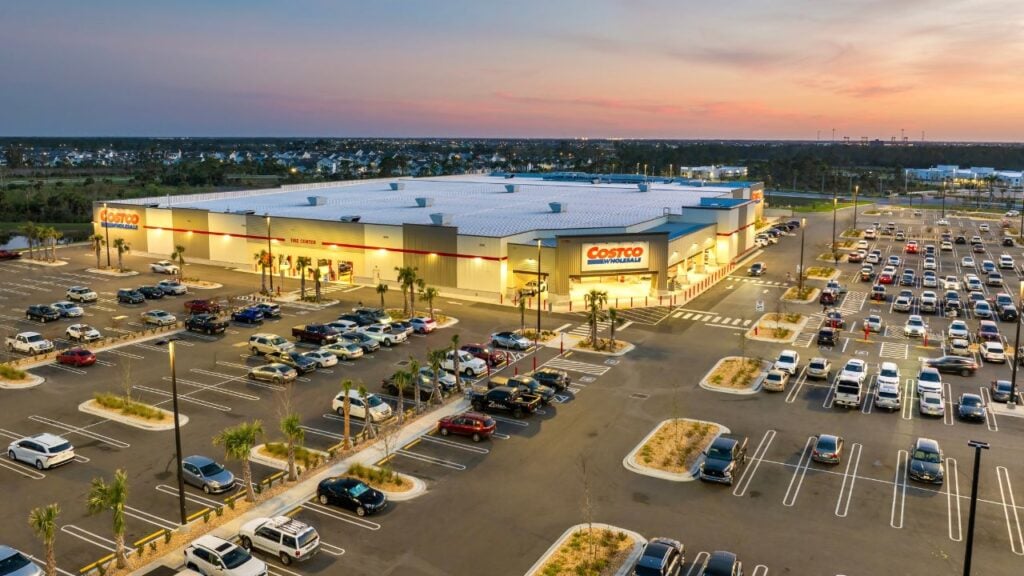
Walking into a Florida Costco right at the posted opening time doesn't guarantee an empty store.
Executive members get a private hour nobody else does, and the gas pumps open hours before the warehouse floor does.
9 Costco Hours Mistakes Florida Shoppers Make in 2026
9 Toll Mistakes That Cost Florida Drivers Money Every Month
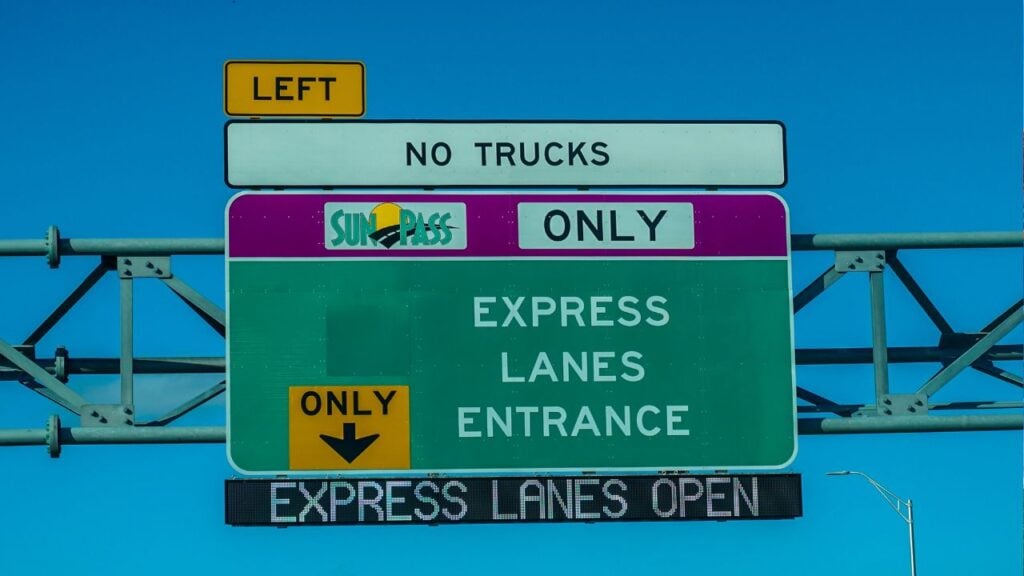
A missing SunPass transponder doesn't just mean one bigger toll in Florida.
The state adds its own administrative fee to that bill, and the cycle resets with every new invoice that follows.
