
9 Reasons People Are Leaving Georgia in 2026

Georgia sells itself as the affordable, business-friendly corner of the Sun Belt.
Then a driver opens a car-insurance renewal that jumped 26% in a single year.
For a growing number of residents, the pitch stopped matching their monthly bills.
These are the reasons people are leaving Georgia.
Note: This is general information, not financial, tax, or insurance advice. Taxes, insurance premiums, and prices are subject to change.
1. Priced Out of Atlanta
Metro Atlanta’s housing market has become brutal for working families.
A buyer now has to earn about $46,000 more a year than a renter to afford the monthly payment on a mid-priced home.
The math is rough.
Families priced out of Fulton, DeKalb, and Cobb chase cheaper ground in Paulding or Cherokee, and many keep driving until they cross the state line.
Sellers cash out and leave.
Someone who bought a Marietta ranch house years ago can sell high, then find every nearby listing costs just as much, which pushes the next move well past the Perimeter.
2. Insurance Bills That Sting
Georgia drivers and homeowners pay some of the steepest insurance bills in the country.
Car insurance across the state jumped 26% in 2024, and rates have stayed high since.
Full coverage now runs around $3,000 a year for a typical driver.
Homeowners feel it too.
A standard policy in Georgia averages around $2,286 a year, above the national norm, and forecasters expect another double-digit increase in 2026.
Damage from Hurricane Helene, higher repair costs, and Georgia’s high insurance-fraud rate all feed the bill.
Two insurance bills, both higher than last year, arrive in the same mailbox.
3. Property Tax Reassessments
Open the assessment notice that lands each spring, and a Georgia homeowner braces for a bigger tax bill.
As home values rose, county assessors raised taxable values to match, and homeowners owed more.
Some metro homeowners saw their assessment rise by double digits in a single year.
Homeowners complained loudly enough that Gov. Brian Kemp signed the HOME Act, a new property-tax relief law, in May 2026, capping how fast a homestead’s taxable value can rise.
The catch?
That cap doesn’t take effect until 2027, so homeowners still pay the bigger 2026 bill.
A longtime owner in DeKalb or Cobb County can face a tax jump that has nothing to do with anything they changed about the house.
4. Hours Lost in Traffic
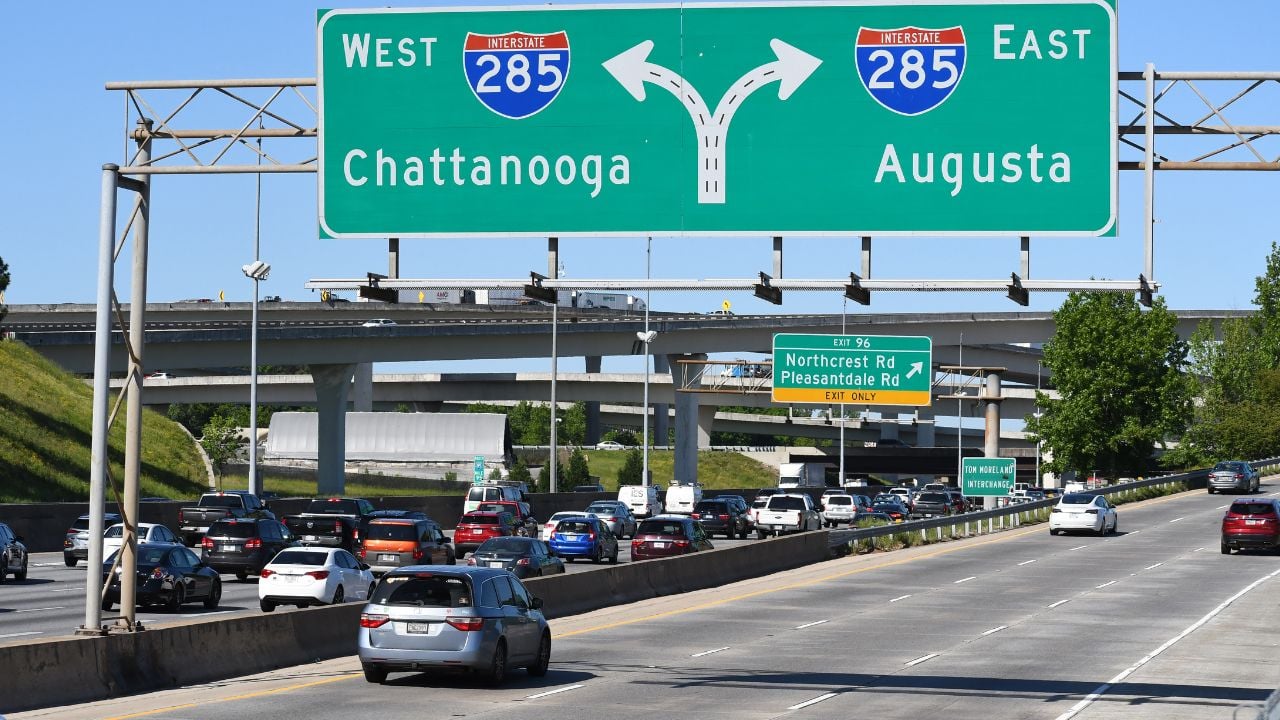
Anyone who drives metro Atlanta knows the day can vanish on the highway.
Metro Atlanta drivers lost about 75 hours stuck in traffic in 2025, one of the worst tolls in the country.
That’s nearly two work weeks.
The Perimeter, I-285, ranks as the busiest stretch, and the Downtown Connector, where I-75 and I-85 merge, stays jammed through the city center most of the day.
Add a wreck near Spaghetti Junction, and a Gwinnett commute downtown turns into a two-hour ordeal.
Some people just quit the commute, and the state along with it.
5. Rising Power Bills
Georgia Power customers have paid through a run of rate increases, and the monthly bill shows it.
The typical household now pays about $516 more a year than it did two years ago, after roughly half a dozen increases since 2023.
Much of that covers the two new nuclear reactors at Plant Vogtle and upgrades to the grid.
It gets worse in summer.
Running the air conditioning against Georgia’s humidity for months on end pushes the July and August bills higher than almost any other time of year.
Regulators froze base rates through 2027, but the increases already baked into the bill don’t roll back.
Psst! How well do you know Georgia’s history and backroads? Take our quiz and see if you can ace it.
Quiz
Georgia Roots Quiz
Answer these questions on Georgia’s history, geography, and claims to fame. We bet you can’t get them all right. Prove us wrong?
Which crop is Georgia’s official state vegetable?
6. Summer Heat and Humidity
Summer in Georgia is brutal even for lifelong residents.
Atlanta hit 100 degrees on July 29, 2025, its hottest day of the year, during one of the hottest Julys on record.
The humidity is the real story.
A 95-degree afternoon in Macon or Savannah feels far hotter once the air turns thick and still.
It doesn't let up.
The heat and the mosquitoes stretch from May into October, and after enough summers, some folks decide they've had their fill.
7. Fewer Film Jobs
The film industry Georgia spent a decade building has thinned out.
Production spending fell to about $2.3 billion in the last fiscal year, down from a $4.4 billion peak in 2022.
That's a steep drop.
Studios like Marvel moved big projects to the United Kingdom, streamers order fewer shows, and other states dangle richer tax credits.
The number of productions shot in the state nearly halved.
Camera operators, grips, and caterers who moved to the Atlanta area for steady set work now scramble for half the jobs, and some follow the productions out of state.
8. Paychecks That Don't Stretch
Georgia still sells itself as an affordable state, and for many the paycheck no longer proves it.
A single adult needs to earn about $24.21 an hour, roughly $50,000 a year, just to cover the basics.
Stack the rent, the car insurance, the power bill, and the grocery run, and a solid salary vanishes fast.
The middle feels squeezed.
Wages have roughly kept up with inflation over the past year, but they haven't erased the jump in prices since 2021.
When the numbers stop adding up, a cheaper zip code starts to look like the only raise available.
9. Cheaper States Next Door
Georgians who pack up rarely go far, and the cheaper option often sits right across the state line.
South Carolina pulled in about 66,000 net new residents from other states in 2025, and Tennessee added more than 42,000, both near the top of the nation.
Georgians are among those making the move.
Tennessee charges no state income tax, Alabama runs a lower cost of living, and a Chattanooga or Greenville address can cost far less than a home inside the Perimeter.
The commute math changes too.
Someone working remote can keep an Atlanta salary, buy a bigger house near the North Georgia line, and cross into Tennessee for the tax break.
For many of them, the trip back to Georgia is just a Braves game and a Waffle House stop on the way home.
9 Georgia Traditions Every Newcomer Should Learn to Love
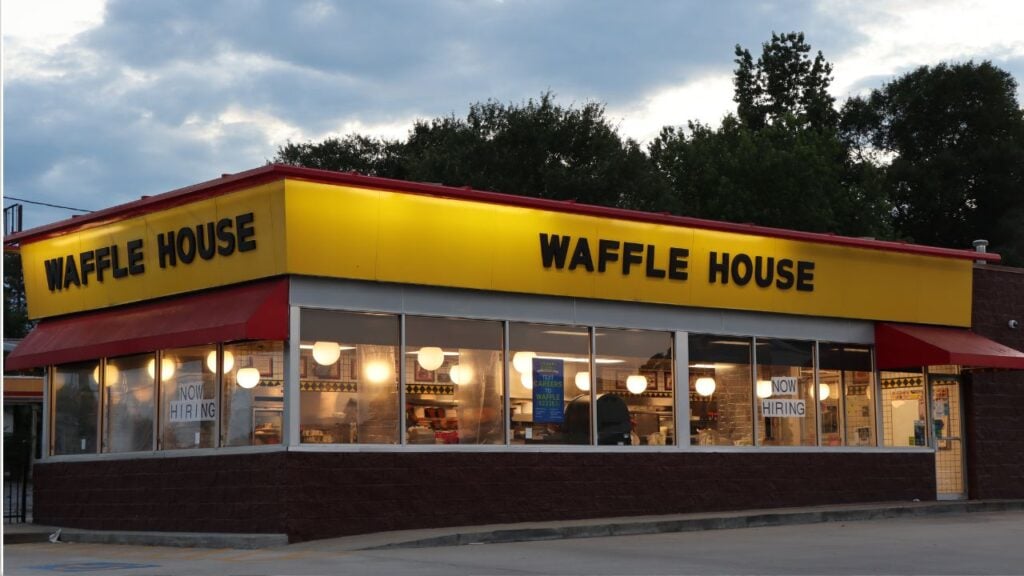
Georgia runs on rituals a newcomer doesn't see coming, from the Waffle House that fills up after a Friday night game to the reverence for a roadside boiled peanut stand.
Learn to love them, and the state starts to feel like home a lot faster.
9 Georgia Traditions Every Newcomer Should Learn to Love
9 Things a Georgia Landlord Can Legally Do That Tenants Never See Coming
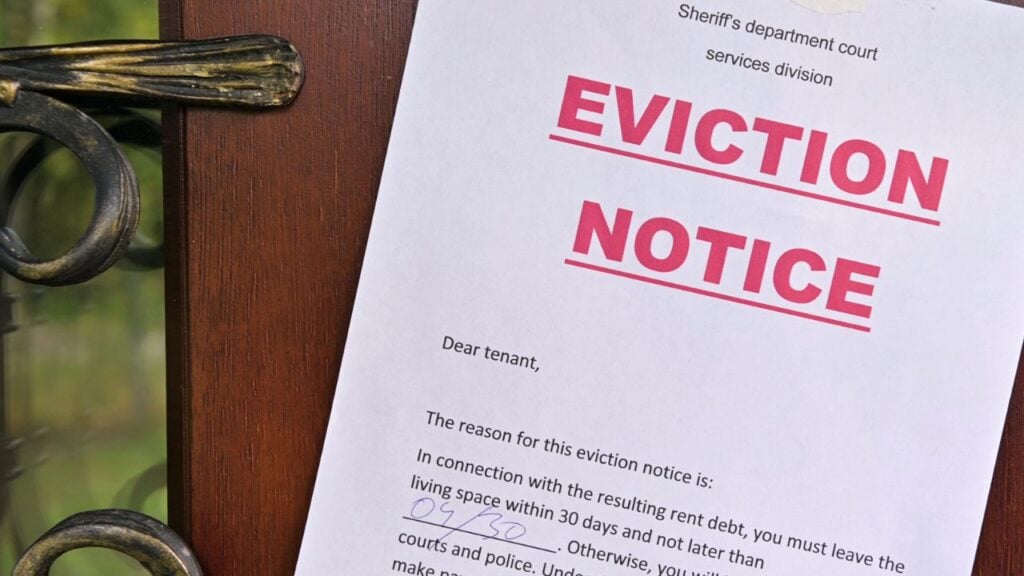
Renting in Georgia comes with rules that lean further toward the landlord than most tenants expect.
A few of the moves your landlord can legally pull catch renters completely off guard.
9 Things a Georgia Landlord Can Legally Do That Tenants Never See Coming
