
9 Summer Habits That Instantly Give Away a Florida Local

A family from Michigan pulls into the beach parking lot at noon, hauls out the cooler, and stakes an umbrella in the open sand.
Two spots over, a local is already packing up to leave.
They got there at seven, and they’ll be home before the rain starts.
These are the summer habits that instantly give away a Florida local.
The Hot Buckle Reflex
A car left in the Florida sun turns into an oven, and a local plans around it.
After an hour in the sun, the dashboard can hit 157 degrees, and the steering wheel reaches about 127.
Dark surfaces can push past 180.
So a local pinches the metal seatbelt buckle first, testing it before it touches bare skin.
A folding sunshade stays wedged in the windshield, and a towel covers the steering wheel.
They will circle the Publix parking lot twice for the one spot under a tree, waving off the open space by the door.
In summer, a shady parking spot beats a spot by the door.
Beating the Afternoon Storm
A local builds the whole summer day around the afternoon rain.
Warm air off the Gulf and the Atlantic collides over the peninsula almost every afternoon and stacks into thunderheads.
Most days, the downpour lands between about 2 and 5 p.m.
Like clockwork.
So the locals mow the lawn at 9 a.m., not 3 in the afternoon.
They book the boat, the tee time, and the theme park before the clouds build in the west.
A newcomer plans a 4 p.m. cookout and watches it wash out.
Then they check the radar app a native never stopped watching.
Respecting the Lightning
Florida is the lightning capital of the country, and locals treat those afternoon storms with respect.
The state records the most lightning deaths in the nation, too.
Central Florida takes so many strikes that the corridor from Tampa to Titusville picked up the name Lightning Alley.
So a local is out of the pool at the first far-off rumble.
They clear the water, the ball field, and the open beach without a second thought.
Lightning strikes more people as a storm approaches or moves off than during the worst of it, so a local heads inside early.
Thunder means go inside.
Bracing for Lovebugs
Twice a year, Florida fills up with lovebugs, and the locals know the drill.
The paired-up bugs swarm in late spring and again in early fall, thick over the highways.
They coat the grille, the bumper, and the windshield on any drive down I-4 or I-75.
Here’s the part transplants learn the hard way: The splatter turns acidic, and left baking on the paint, it etches a mark a car wash can’t buff out.
So a native hoses the front of the car down that night, not next weekend.
The swarms ran thin in 2026 after a drought knocked the population back, though nobody is betting they stay gone.
The Stingray Shuffle
Wading into the Gulf on a summer morning, a local never just walks in.
They shuffle.
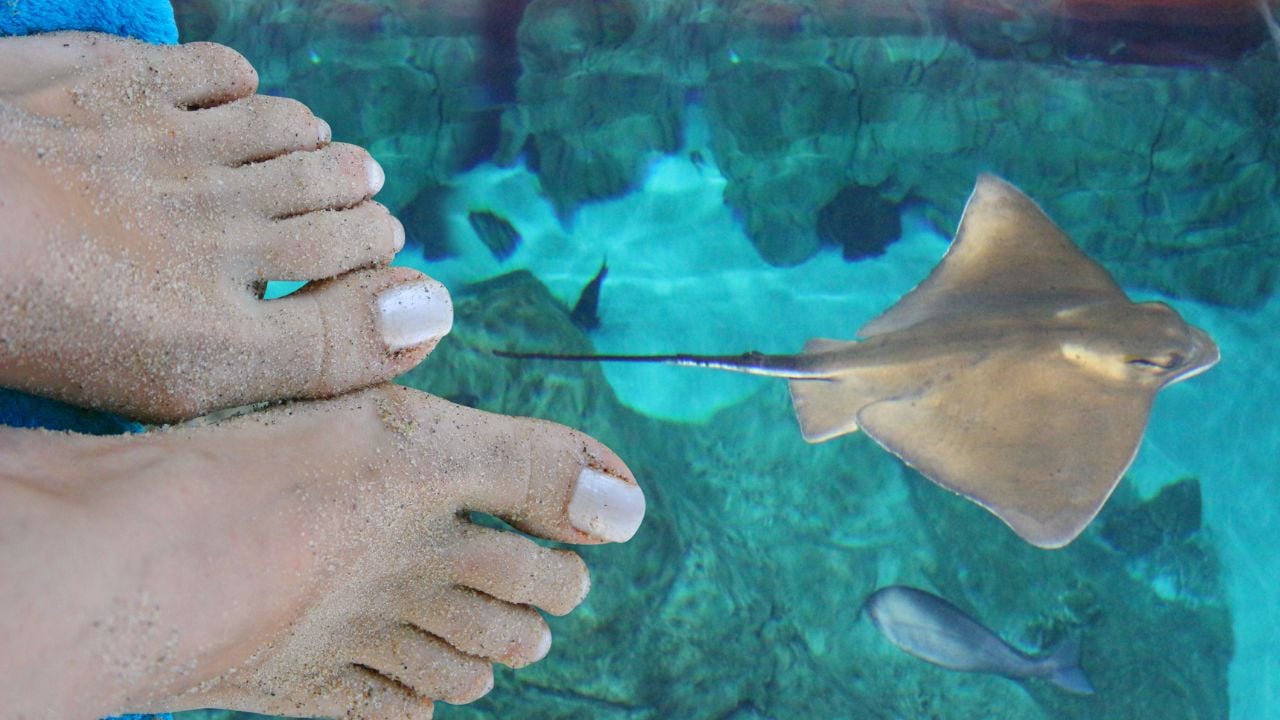
Stingrays bury themselves in the warm sandy shallows, and stepping down on a ray drives a venomous, serrated barb through your foot.
Dragging your feet along the bottom sends a warning ahead of you, and the ray slips off before you get close.
The move has a name people say with a straight face: The stingray shuffle.
Kids on the Gulf coast learn it before they learn to swim.
Reading the Beach Flags
Before a local reads the waves, they read the flags flying over the beach.
The colored flags run on a statewide code.
One red flag means high surf and strong currents, and two red flags mean the water is closed to the public.
Yellow means caution, green means calm water, and purple means dangerous marine life like jellyfish.
The warning a native takes most seriously is the one for rip currents.
Those rip currents are far more dangerous than sharks.
Caught in a rip current, a local swims parallel to shore to slip free, never straight back against the pull.
The flags aren’t decoration.
Psst! How much do you know about a Florida summer? Take our quiz and see if you can ace it.
Quiz
Florida Summer IQ
Answer these questions on Florida’s summer weather, water, and wildlife. We bet you can’t get them all right. Prove us wrong?
The Florida Everglades is the only place on Earth where which two animals live side by side in the wild?
The Hurricane Shelf
By the first of June, a local keeps a shelf in the garage a newcomer hasn't thought about yet.
Hurricane season runs June 1 through November 30, and the shelf is ready before it starts.
It holds cases of water, batteries, a hand-crank radio, and a full propane tank for the grill.
Florida made batteries, generators, and other disaster supplies permanently tax-free in 2025, so the locals restock a little at a time instead of racing the crowd before a storm.
They know their evacuation zone by heart and keep the gas tank above half all season.
A transplant learns this the first time the shelves at Publix go bare two days before landfall.
Water sells out first.
Never Running From Rain
When the afternoon rain finally comes down, a local doesn't run for cover.
The downpour comes hard and brief, often gone in ten or fifteen minutes, so they wait it out under the nearest awning.
No umbrella.
An umbrella is useless against a Florida sideways rain, so nobody bothers.
They keep a towel in the back seat and drive with the wipers on high, then flick them off a mile later once the sun comes back.
The pavement steams.
A native barely breaks stride and reaches for the towel in the back seat.
Reading the Feels Like
By late July, a local stops reading the temperature and reads the feels like instead.
Florida summers sit in the low 90s, but the humidity does the damage.
Summer dew points hang between 65 and 75, which is thick, soupy air that won't let your sweat evaporate.
At 90 degrees with that much moisture, the heat index runs closer to 103.
The number on the sign is only half the story.
So a local runs errands at 8 a.m. or 8 p.m. and hands the middle of the day to anywhere with air conditioning.
A native doesn't call it hot until the feels like clears 100.
Below that, it's one more sticky afternoon before the rain comes down.
9 Florida Creatures That Terrify Northerners but Locals Shrug Off
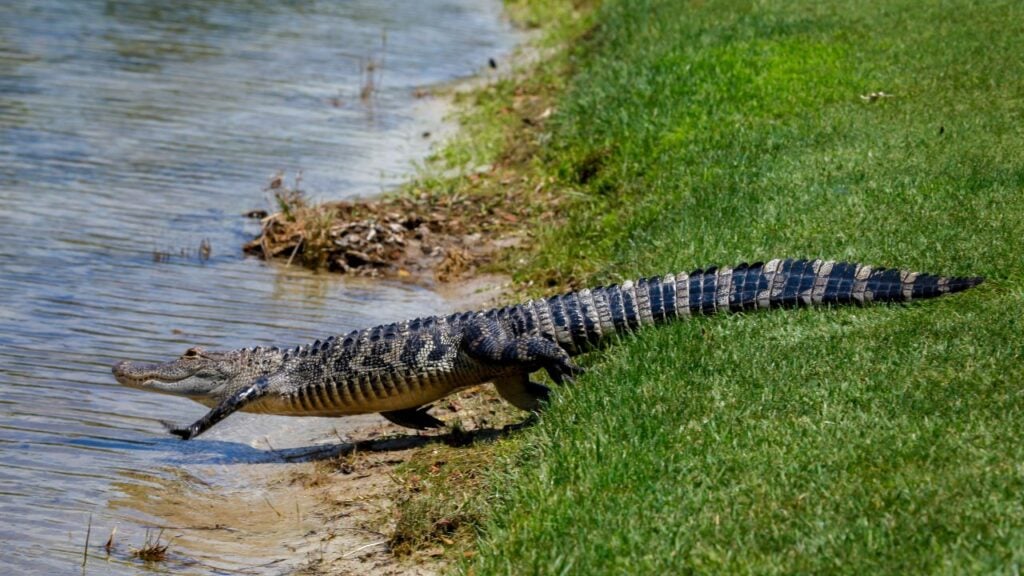
Every Florida transplant has a first-week story about an animal, and it usually involves a scream and a broom.
What looks like an emergency to somebody fresh off I-95 is just a Tuesday to anyone raised on the peninsula.
9 Florida Creatures That Terrify Northerners but Locals Shrug Off
7 Florida Beaches Locals Skip (and 4 They Drive Hours To Reach)
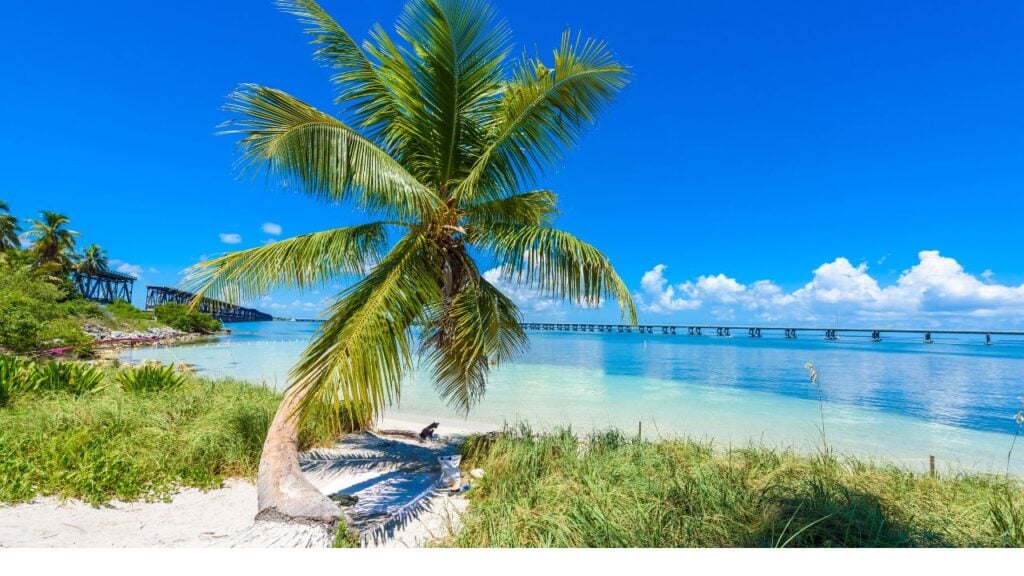
The most crowded Florida beaches fill up fast on a summer weekend, and the locals hand them over without a fight.
They will drive an extra hour for a stretch of sand with room to breathe.
7 Florida Beaches Locals Skip (and 4 They Drive Hours To Reach)
