
9 Things Dentists Wish Floridians Would Stop Doing

Only 63.6% of adults in Florida visited a dentist in the past year, a rate that ranks the state 40th in the country.
But even people who get their teeth cleaned regularly often make dental mistakes.
These are the things dentists wish Floridians would stop doing.
Note: This is general information, not dental advice. Guidelines are subject to change, so talk to your dentist about your situation.
1. Skipping the Health History Form
Dentists ask every patient to update a health history at each visit, and many patients just check “no changes” out of habit.
A hygienist writing for DentistryIQ says patients skip the medical history form or gloss over it. Then a health change turns up mid-exam that the dental team needed to know first.
A new medication, a recent surgery, or a change in blood pressure can all change how a dentist safely treats a patient that same day.
Why Dentists Need That Update
Dentists ask about health changes because a routine cleaning can turn risky fast without that information.
A patient with an artificial heart valve, a past heart infection, or certain congenital heart conditions may need antibiotics before a cleaning, under guidance the American Heart Association sets and the American Dental Association follows.
A blood thinner changes the plan too, since it raises the bleeding risk during a cleaning or an extraction.
2. Chewing on Ice
With sweet tea and fountain drinks a daily habit in the heat, dentists watch patients chew straight through a cup of ice like it’s a snack.
Dr. Matthew Messina, who speaks for the American Dental Association on its MouthHealthy site, puts it plainly: Tooth enamel is a crystal, and ice is a crystal, so pushing the two together usually breaks one of them.
Cracked teeth, chipped fillings, and broken crowns follow ice-chewing patients into dental chairs on a regular basis.
It isn’t always the ice.
Swap the ice for a straw and a chilled glass, and the habit disappears without giving up the drink.
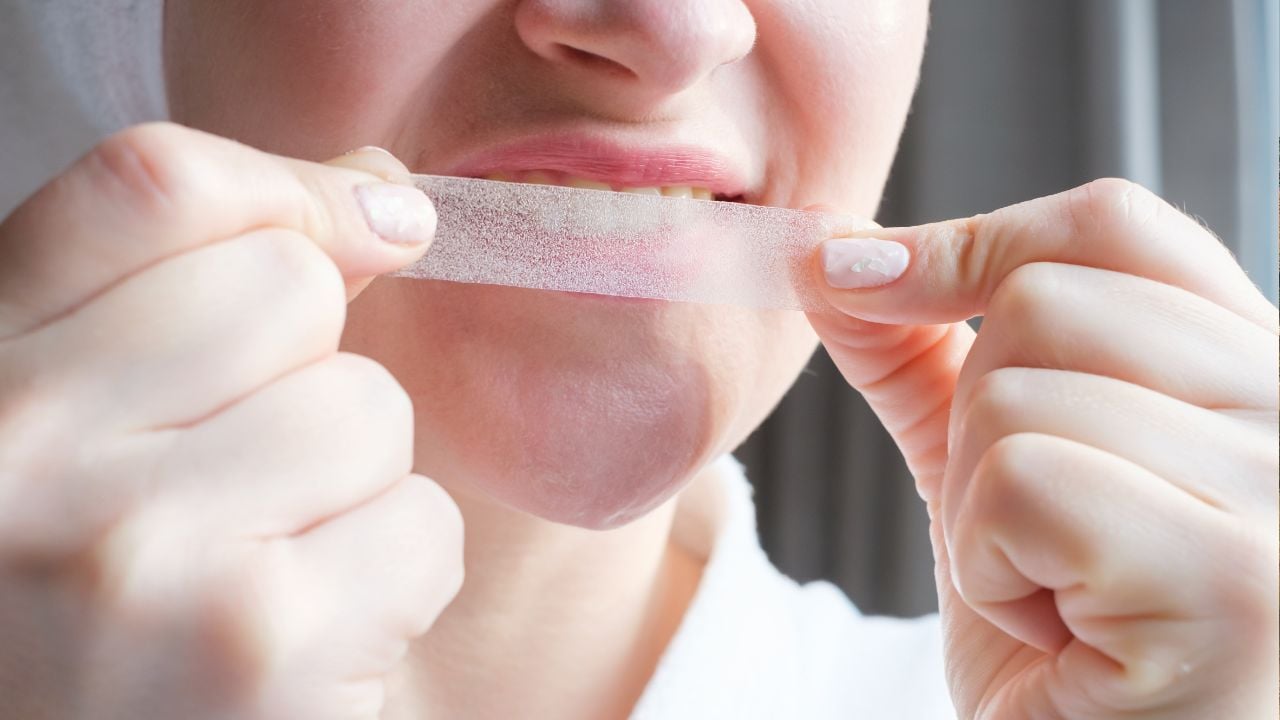
3. Trying DIY Whitening Kits
Before a wedding or a reunion, many patients reach for do-it-yourself (DIY) whitening strips and pen-style gels hoping for a quick fix, a habit dentists in Florida see just as often as dentists anywhere else.
Beverly Hills dentist Dr. Matt Nejad, quoted by PureWow, calls DIY whitening kits “generally useless,” and says even his one exception, Crest Whitestrips, still struggles to whiten evenly between the teeth.
New York dentist Dr. Steven Davidowitz warns that over-the-counter bleaching can thin the enamel, cause gum irritation and recession, and leave teeth sensitive.
It rarely works.
A professional whitening treatment costs more upfront, but a dentist can spot cavities or thin enamel first, so the bleach doesn’t hit a tooth it shouldn’t.
4. Using Your Teeth as Tools
Right before hurricane season, when packing tape and zip ties come out for shutters and supply bins, dentists treat many patients who used their teeth like a spare tool.
The American Dental Association is direct about it: Teeth were built for eating, not standing in for scissors or a bottle opener.
A cracked tooth, a hurt jaw, or a swallowed staple can follow one bad shortcut.
Not worth it.
Grab actual scissors instead, even mid-storm-prep, and a Florida dentist never has to see that particular emergency.
5. Fudging How Often You Floss
Dentists can tell within seconds whether a patient flosses, no matter what the patient just claimed.
Gum tissue tells the story on its own, a dental hygienist writing for DentistryIQ notes, so a patient who says “every day” while the gums say otherwise isn’t fooling anyone in the chair.
Caught, every time.
Dentists would rather hear an honest “not much” than a polite lie because an honest answer is what lets them suggest a floss pick, a water flosser, or another tool a patient will use.
Psst! How much do you know about the toothbrush, the floss, and the water you rinse with? Take our quiz and see if you can ace it.
Quiz
Smile History IQ
Answer these questions on toothbrushes, floss, and dental history. We bet you can’t get them all right. Prove us wrong?
Long rumored to be made of wood, George Washington’s dentures were built from ivory, metal, and what else?
6. Staying Silent Until the Dentist Walks In
A dentist's first question is almost always the same: Any concerns before we start?
Many patients say no, then bring up the problem only once the exam is already underway.
A hygienist writing for Today's RDH describes patients who say "no concerns" during the cleaning, then hand the dentist a list the moment the dentist steps into the room.
The whole visit slows down.
Mention the sensitive tooth or the jaw click to whoever asks first, and the dentist can build the exam around it instead of squeezing it in at the door.
7. Canceling at the Last Minute
Every time a patient cancels without notice, dentists lose an appointment slot.
Dentist Dr. Teresa Yang, writing for the dental trade site DrBicuspid, says a habitually canceled appointment is nearly impossible to refill on short notice.
A self-employed dentist loses money sitting idle while staff still expect a paycheck.
Sixty-six of Florida's 67 counties sit inside a designated dental shortage area, so the next open slot is often weeks away for the patient who needed that canceled chair.
8. Waiting Out the Pain
For weeks at a stretch, dentists watch patients wait out a toothache, hoping the pain will fade on its own.
The American Dental Association's own guidance is blunt about tooth pain that doesn't improve, swelling, or a fever: Those signs mean a problem serious enough for prompt care, not a wait-and-see approach.
Waiting rarely pays off.
Florida logged more than 150,000 emergency room (ER) visits for non-traumatic dental pain in 2025, and an ER can treat the pain but not the cavity or the infection causing it.
A same-week dental visit almost always costs less than a delayed visit.
9. Quitting the Antibiotics Early
An infection is the only reason dentists prescribe antibiotics, never a routine cleaning, and the American Dental Association's antibiotic stewardship guidance calls for those prescriptions to run three to seven days, no longer.
Patients stop as soon as the swelling goes down, which feels responsible but isn't.
Not smart.
Stopping early can leave live bacteria behind, and the American Dental Association's own stewardship guidance links that pattern to bacteria that grow harder to treat with the same drug the next time around.
Finishing the last pill, even once the pain is long gone, is what keeps that same prescription working the next time a dentist needs it.
11 Things Florida Grocery Cashiers Notice About You Within 10 Seconds

A Florida grocery cashier can read a cart before a shopper even reaches the register.
State law and register training teach them things about a Florida shopper that many customers never expect a stranger to notice.
11 Things Florida Grocery Cashiers Notice About You Within 10 Seconds
13 Habits Florida Transplants Have That Never Fool Lifelong Residents

A year in Florida isn't the same as a lifetime in Florida, no matter how tan the transplant gets.
These are the small habits that give a newcomer away every single time, according to the locals who spot them instantly.
13 Habits Florida Transplants Have That Never Fool Lifelong Residents
