
9 Things Minnesotans Know About Winter That Transplants Learn the Hard Way

Your first Minnesota winter teaches you things a moving checklist doesn’t cover.
Longtime Minnesotans know them by heart, and transplants often learn them the hard way.
Here’s what to get straight before the first big storm hits.
Note: This is general information, not legal advice. City codes, state statutes, and agency guidelines are subject to change.
1. Ice Thickness Guidelines
Minnesota’s Department of Natural Resources (DNR) publishes winter ice thickness guidelines, with a minimum for each activity on a frozen lake.
You need at least 4 inches of new, clear ice to go ice fishing or walk out on a lake, the DNR says.
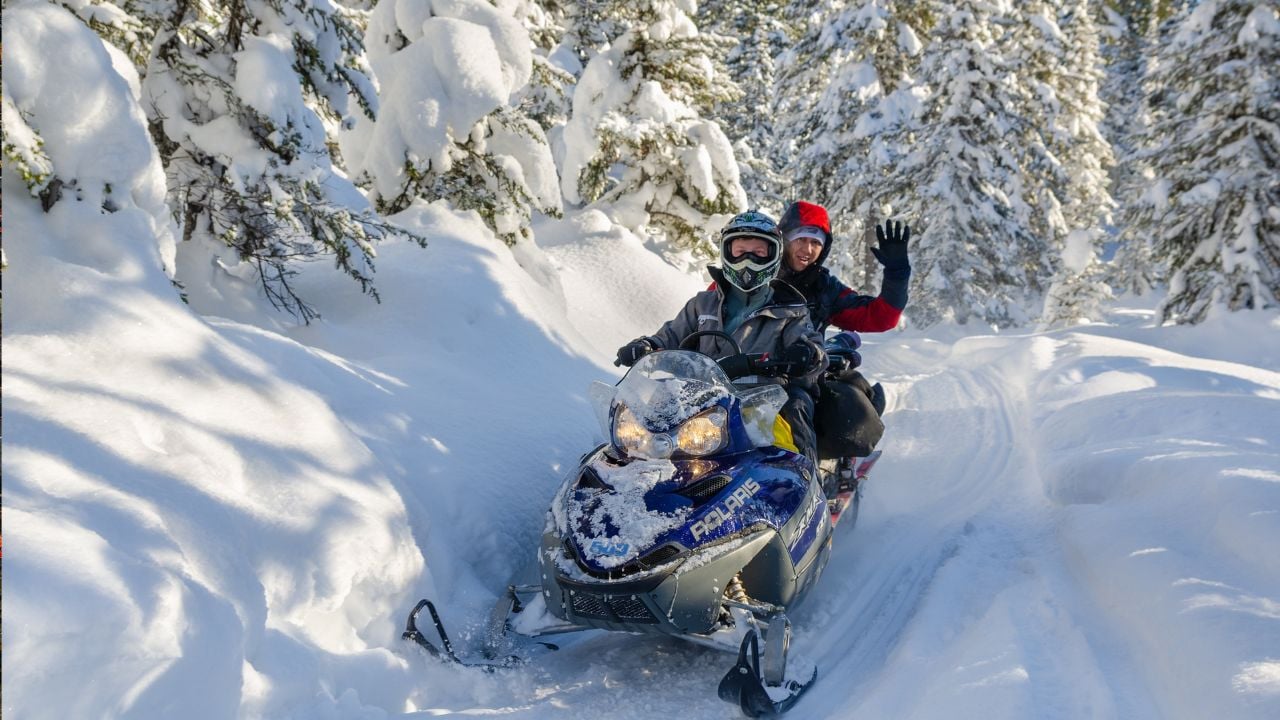
A snowmobile needs 5 to 7 inches of new, clear ice.
A small car or SUV needs 9 to 10 inches.
Under 4 inches, stay off.
White ice, which forms when snow melts and refreezes on the lake, is only about half as strong as new, clear ice.
You double the thickness numbers when you’re on white ice.
Ice can be two feet thick in one place and one inch thick a few yards away.
The DNR says it doesn’t measure ice thickness on lakes, and your safety is your responsibility.
2. Sidewalk Deadlines
Minneapolis sets deadlines for clearing your sidewalk after a winter snowfall.
In Minneapolis, if you live in a single-family home or duplex, you have 24 hours after the snow stops to clear your sidewalk.
Other properties get 4 daytime hours, counted from 8 a.m. to 5 p.m.
Clearing means shoveling the entire width of the city sidewalk on your property down to bare pavement.
If you haven’t cleared the sidewalk by the follow-up inspection, crews will remove the snow and ice and bill you.
If you don’t pay that bill, the fee gets added to your property taxes.
A lot of transplants don’t hear about these deadlines until after their first snowfall.
3. Headlights in Snow
Minnesota law requires you to use your headlights in winter weather, not just from sunset to sunrise.
Under section 169.48 of the state’s statutes, that applies any time it’s raining, snowing, sleeting, or hailing.
It also applies when weather, smoke, or fog impairs visibility, or when there’s too little light to clearly see people and vehicles 500 feet ahead.
Snow counts.
That means you turn your headlights on at a snowy noon in January.
4. Ice Dams
Ice dams are a winter roof problem that starts with heat escaping from your house.
University of Minnesota Extension says ice dams need snow on the roof and an upper roof surface above 32 degrees.
Meltwater runs down to the part of the roof that’s below 32 degrees, where it freezes.
Seal air leaks in your ceiling first, then consider adding insulation.
Mechanical attic ventilation isn’t a recommended solution to ice dams in Minnesota, Extension says.
Removing snow from your roof eliminates one of the ingredients.
A roof rake or push broom may damage your roofing materials, though.
5. Winter Weather Advisory Versus Winter Storm Warning
The National Weather Service’s Twin Cities office sorts winter storms into advisories and warnings.
If you’re going by those criteria, a forecast of 3 inches of snow up to just under 6 is an advisory.
An advisory is winter weather that causes inconvenience but isn’t dangerous with proper caution.
A warning is for dangerous winter weather.
For snow, the warning threshold is 6 or more inches from one event lasting no more than 48 hours.
So 5 inches in your forecast is an advisory.
Add one more inch, and it’s a warning.
For ice, an Ice Storm Warning starts at a quarter inch or more.
What Triggers a Blizzard Warning?
The National Weather Service’s Twin Cities office lists no snowfall total in its winter Blizzard Warning criteria.
For a warning, your forecast has to show falling or blowing snow that cuts visibility to under a quarter mile.
It also has to show sustained winds or frequent gusts of 35 mph or higher.
Those conditions have to last 3 hours or longer.
If a Blizzard Warning covers your area, all of those conditions are occurring or expected.
6. 511 Road Conditions
The Minnesota Department of Transportation (MnDOT) runs a 511 road conditions site that sorts winter roads into labeled categories.
Normal means dry or wet pavement, though it may include icy bridge decks.
If you see Travel Not Advised, the site says the road has deteriorated or visibility has dropped to the point that it’s very dangerous to travel.
Road Closed is stricter: Travel isn’t allowed except for emergency vehicles.
In a December 2025 advisory for northwestern Minnesota, MnDOT advised drivers not to travel in the affected areas until the high winds subsided and conditions improved.
You can check your route at 511mn.org before you head out.
7. 68-Degree Heat Rule
Minnesota’s landlord heat rule sets a minimum temperature for your rental in winter.
Under section 504B.161 of the state’s statutes, a landlord has to provide heat of at least 68 degrees Fahrenheit in all places meant for living.
That includes kitchens and bathrooms.
If you rent, that’s the number to check against your thermostat.
The requirement runs from October 1 through April 30.
The statute lists one exception, when a utility company requires and instructs a reduction in heat.
8. De-Icing Salt and Water
If you spread salt on your driveway in winter, the Minnesota Pollution Control Agency (MPCA) says one teaspoon of salt can permanently pollute five gallons of water.
Once chloride is in the water, there’s no feasible way to remove it.
The agency says about 78% of the salt applied for winter maintenance in the Twin Cities reaches groundwater or stays in local lakes and wetlands.
Local partners are using sand and other strategies to keep winter roads safe while using less salt.
Psst! How much do you know about Minnesota’s weather and geography? Take our quiz and see how many you can get right.
Quiz
Minnesota Weather and Waters Quiz
Answer nine questions on Minnesota’s weather records and waterways. We bet you can’t get them all right. Prove us wrong?
Which Minnesota town recorded the state’s hottest temperature on record, 115 degrees, on July 29, 1917?
9. Stranded in Your Car
The Minnesota Department of Public Safety says to turn on your hazard lights and call 911 if your car is stranded in a winter storm.
While you wait, its 2024 release says to stay in the car, running the engine occasionally to keep warm and charge your phone.
Clear the snow from your exhaust pipe and open a window to avoid carbon monoxide poisoning.
The winter survival kit list includes blankets, a flashlight and spare batteries, a cell phone charger, water, snacks, and booster cables.
It also includes sand or cat litter for tire traction and a red bandana to use as a distress signal.
10 Luxury Features That Create More Work for Minnesota Homeowners
A luxury feature can look like an upgrade until you're the one keeping it running.
Some of them need more upkeep than you might expect.
10 Luxury Features That Create More Work for Minnesota Homeowners
9 Financial Decisions Minnesota County Boards Make Without Anyone Watching

County boards decide how public money gets spent.
Some of those decisions get little attention.
9 Financial Decisions Minnesota County Boards Make Without Anyone Watching
