
9 Things Montanans Eat That Surprise People From Other States

Dinner in Montana doesn’t always start at the grocery store.
Some locals cook with what they hunt, pick or find, and a few dishes come with stories that go back generations.
These are the things Montanans eat that surprise people from out of state.
1. Butte Pasties
Butte pasties came to Montana with Cornish miners, according to NBC Montana.
The miners needed a meal they could carry underground for a shift.
You would typically get pie crust folded around beef, onion and potato, sometimes with rutabaga or turnip.
Joe’s Pasty Shop in Butte offered breakfast and dinner versions.
You could order a jalapeno breakfast pasty or a steak one.
2. Catholic Hamburgers
Immaculate Conception Church’s stand turned five donated steers into about 5,000 patties in 2025, Catholic Extension reported.
The stand sells Catholic hamburgers at the Wolf Point Wild Horse Stampede, which Visit Montana says is held the second weekend of every July.
The fundraiser supports causes beyond the parish, including children’s charities, the local museum and the hospital.
You can top yours with onions that a Food Network roundup describes as sizzled in pickle juice.
3. Elk Meat
Survey results show Montana hunters harvested more than 28,100 elk in 2024, the Livingston Enterprise reported.
A March 2026 Montana Outdoor guide to cooking elk tenderloin said hunters across the state were digging premium cuts out of their freezers.
Montana law says you can’t purposely or knowingly waste game that’s suitable for food.
Under the statute, taking only certain parts, storing the animal improperly or abandoning it can all count as waste.
4. Chokecherry Jelly
Have you ever made jelly from a fruit that Montana Fish, Wildlife & Parks says you’ll likely run across almost anywhere in the state?
An issue of the agency’s Montana Outdoors magazine shows how to make chokecherry jelly, syrup or liqueur.
Native Americans pounded pitted fruit into pemmican.
The bark, stems, pits and especially the leaves can be fatal to people and livestock.
The Lewistown Chokecherry Festival is held the first Saturday after Labor Day, and the fruit is used in syrups, jams, jellies and wines.
Psst! Think you know what grows behind these plates? Take our quiz and see how many you can get right.
Quiz
Big Sky Food IQ
Nine questions about the farms behind Montana’s plates. Can you get all nine right?
Which of these crops did Montana rank first among states in producing in 2023?
5. Indian Tacos
You can buy Indian tacos from vendors at Crow Fair, according to a Food Network roundup of Montana food.
Indian tacos are fry bread with taco toppings.
The frybread origin story Smithsonian magazine told in 2008 is a Navajo one.
It traced Navajo frybread to the 300-mile Long Walk, when white flour, sugar and lard were supplied, and described it as a food that represents both perseverance and pain.
6. Morels After a Wildfire
Most morels found in the West are on burn sites, Montana Outdoors magazine said in 2015.
Morels are safe for most people to eat when thoroughly cooked.
Morels often fruit prolifically in the years after an area has burned in a wildfire, according to the Forest Service's Northern Region page.
If you want to pick in a national forest, the Forest Service required a free personal-use permit.
Morel Permit Limits
You could pick up to 5 gallons of morels a day and 20 gallons a season under the Forest Service's 2025 Northern Region permit.
The free personal-use permit covered Northern Region Forest Service lands where mushroom picking was allowed.
Mushrooms had to be sliced in half lengthwise.
Resale was prohibited.
The Northern Region issued no commercial permits in 2025.
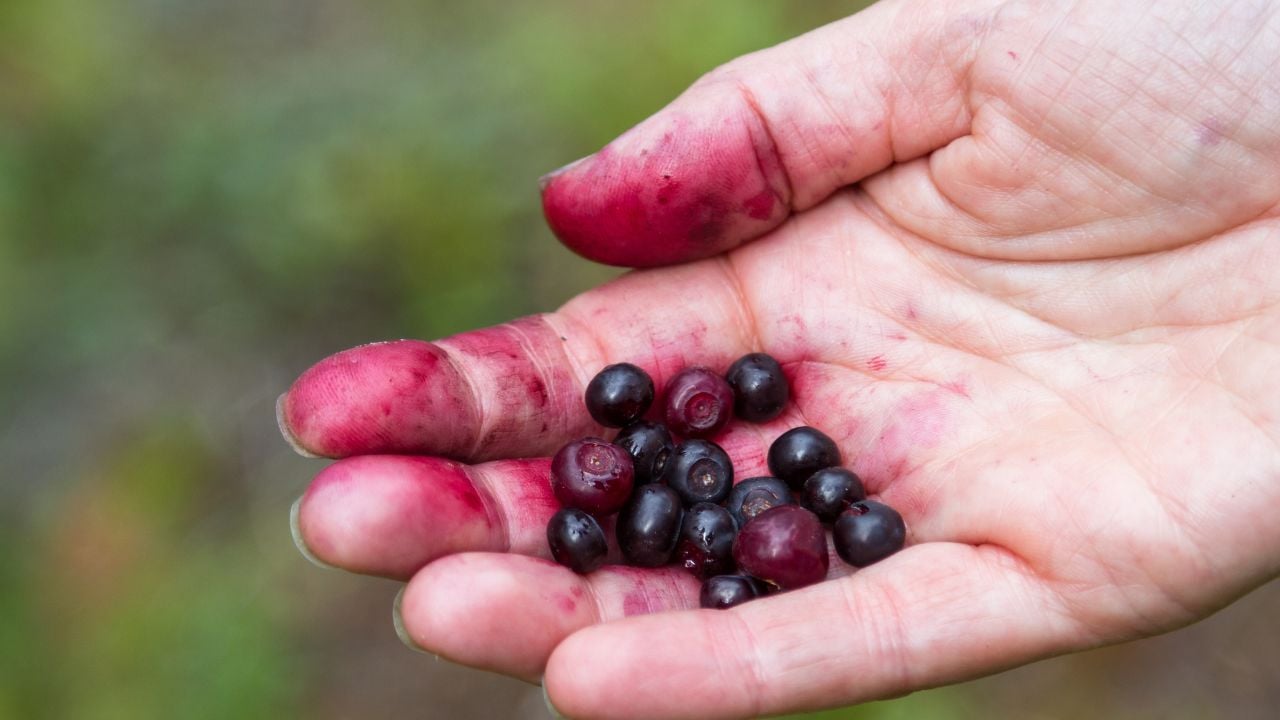
7. Wild-Picked Huckleberries
Roughly 600 pounds of huckleberries a year went into the distilling and menu items at Whitefish Handcrafted Spirits, according to a 2020 story in the Flathead Beacon.
Flathead Valley restaurants and other local buyers paid $40 to $50 per gallon.
Huckleberries were picked in the Flathead and Kootenai national forests of northwest Montana.
Decades of research hadn't successfully domesticated the marketable crop as of 2020.
Commercial pickers were willing to spend two to three months at a time in the woods.
8. Bitterroot
The bitterroot is Montana's state floral emblem under Montana Code Annotated 1-1-503.
If you know it only as a flower, you'll find the Salish treated its root as a staple, the Missoula Current reported in 2019.
Gene Beaverhead, a language specialist at Nkwusm Salish Language School, said most people won't eat it but he does.
The root was boiled with berries into a ceremonial sweet treat for winter dances and memorials.
On Oct. 16, 2019, students from Nkwusm Salish Language School and Two Eagle River School planted 850 bitterroot plants at Fort Missoula.
The goal was a population the Confederated Salish and Kootenai Tribes could harvest.
Psst! Tick every one that's true for you and see how your plate stacks up.
9. Salvaged Roadkill
Montana lets you take salvaged roadkill home to eat, according to Montana Fish, Wildlife & Parks.
The rule covers white-tailed deer, mule deer, antelope, elk and moose, and only those animals.
You have to get a free salvage permit within 24 hours of taking the animal into your possession.
Law enforcement officers at the scene of a collision can issue the permit, or you can apply online.
Even an animal you didn't hit can qualify.
The meat can't be sold or used for bait.
The state also makes no guarantee the meat is fit to eat.
3 Montana Roads That Close Earlier Than Visitors Expect
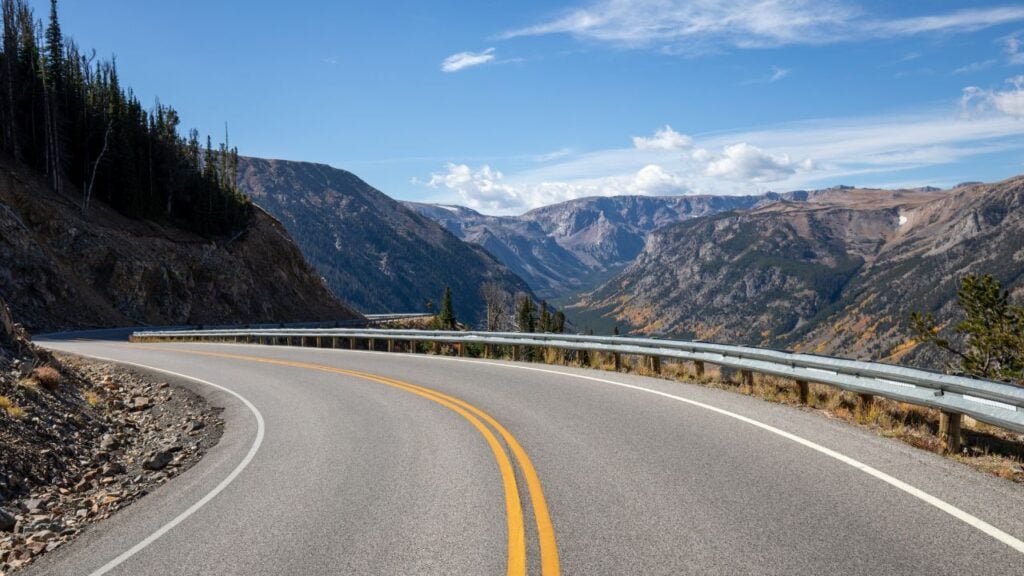
Plan a fall drive through Big Sky country and you may find a gate shut ahead of schedule.
This list covers the three roads where the calendar catches visitors off guard.
3 Montana Roads That Close Earlier Than Visitors Expect
9 Signs Someone Was Raised in Montana, Even Decades After They Left
Some habits stick around long after people move away.
This list walks through nine signs that someone grew up in Big Sky country, even decades later.
9 Signs Someone Was Raised in Montana, Even Decades After They Left
