
9 Things North Carolinians Should Do Before an Animal Ever Goes Missing

North Carolina law guarantees a stray dog or cat only a 72-hour hold at an animal shelter before that shelter can legally move toward adoption.
Many pet owners don’t know this.
These are the things North Carolinians should do before an animal ever goes missing.
Note: This is general information, not legal advice. Rabies tag rules, shelter hold periods, and reclaim fees can vary by county and are subject to change.
1. Registering Your Pet’s Microchip
A microchip only helps the owner of a missing pet if the number on it still points to a working phone.
Wake County’s animal services page tells owners to update it every time they move or switch numbers.
A national study in the Journal of the American Veterinary Medical Association found that chipped dogs make it home about 52% of the time.
Dogs carrying no chip at all made it home just 22% of the time in that same study.
Cats fare worse.
An unchipped cat comes home just 2% of the time.
A chipped cat’s odds rise past 38%.
Why a Missing Animal’s Chip Sometimes Fails
A missing animal’s microchip is just a 15-digit number until an owner links it to a name and phone number in the manufacturer’s database.
Getting a chip implanted at a vet’s office in North Carolina doesn’t register it automatically.
Companies like HomeAgain and 24PetWatch run that database, not the vet’s office, so a chip nobody ever activated online works the same as no chip at all.
2. Keeping a Current Rabies Tag
North Carolina requires every dog past four months old to wear a rabies tag at all times.
The law carries no exception for a dog that never leaves the owner’s property.
Animal control can pick up a dog found without one.
No tag complicates everything.
A rabies tag also carries a number that traces back to the clinic that issued it.
Animal control can call that clinic directly instead of waiting on a chip scan.
That’s a second way home.
A tag that’s already clipped to the collar beats a tag sitting in a kitchen drawer, since the law gives a dog no grace period once it’s out the door.
3. Taking Fresh Photos Often
A shelter won’t take an owner’s word alone that a missing pet belongs to them.
Guilford County Animal Services spells out exactly what counts: Vet records, adoption paperwork, or photos taken at least six months before the reclaim date.
A phone full of photos from last week doesn’t clear that bar.
A week-old photo misses that six-month mark by a wide margin.
Six months is the rule.
Update the photos every few months, from more than one angle, so there’s always a set old enough to count if the day ever comes.
4. Writing Down a Description
North Carolina shelters like Guilford County accept a bill of sale or paperwork describing a pet, scars and markings included, as proof of ownership.
Many owners could describe their pet’s color in one sentence and stall out right there.
Color alone won’t cut it.
A useful description goes further: A chipped tooth, a notch in one ear, a white patch that isn’t quite symmetrical, exactly where a collar tends to sit crooked.
Write it down once, update it if anything changes, and keep it where someone else in the house could find it fast.
5. Saving Vet Records and Proof
Guilford County Animal Services charges an extra $10 rabies fee at pickup unless an owner can show proof of vaccination right there.
That certificate runs on a different clock than anything proving who owns the pet.
North Carolina’s rabies vaccines come in a 1-year version and a 3-year version, and the two reset that clock differently.
A first rabies shot always needs a booster within a year, no matter which version the vet used.
The most recent booster’s label decides how long that certificate stays current after that, one year or three.
A certificate that’s already lapsed doesn’t clear Guilford’s $10 fee even if an owner is holding it at pickup.
Both clocks matter.
Keep a photo of the current certificate somewhere faster to reach than a filing cabinet, since a phone photo works as well as the original.
Psst! How ready is your setup if a pet slips out the gate tomorrow? Run through this checklist and see where you stand.
6. Checking Your Fence and Gates
Many people trust a supervised backyard more than they should.
Ten seconds is enough.
Petco Love Lost’s prevention guide names an open gate or an unnoticed gap in the fence as exactly how it happens.
Walk the fence line every so often and check every latch, not just the latch by the driveway.
A hole low enough for a cat lets a small dog through just as easily.
7. Fitting a Secure Collar or Harness
A collar that slips over a dog’s head at the first hard pull undoes every tag an owner just read about.
Petco Love Lost recommends a martingale-style collar for a dog that backs out of a standard buckle collar.
Fit isn’t optional.
Cats need the same fit-check in a harness, snug enough that a cat can’t wiggle backward out of it.
A harness that fits loose is a harness that comes off.
8. Saving Your Shelter’s Number
Guilford County’s online stray gallery updates only every few hours, and Wake County’s animal center asks owners to check in person, not just online, every other day.
Save it now.
Program the shelter’s direct line into a phone before anything happens, not a general county switchboard.
The same goes for the website address, so pulling up the stray gallery from a parking lot doesn’t turn into ten minutes of searching first.
9. Spaying or Neutering Your Dog or Cat
Spaying or neutering an animal removes a major reason it tries to leave home in the first place.
An intact male dog goes looking for a mate hard enough to escape a yard that would otherwise hold him, according to the ASPCA.
Neutering ends that urge.
North Carolina funds low-cost spay and neuter access through its Animal Welfare Section, using money raised by the state’s “Animal Lovers” license plate.
Guilford County runs a subsidized voucher program for residents on top of that state funding, covering part of the procedure’s cost at approved veterinary clinics.
Guilford County limits the voucher to one animal per household each fiscal year.
An owner with more than one unaltered pet has to spread applications across more than one cycle.
8 Septic and Well Checks North Carolina Homebuyers Skip at Their Own Risk
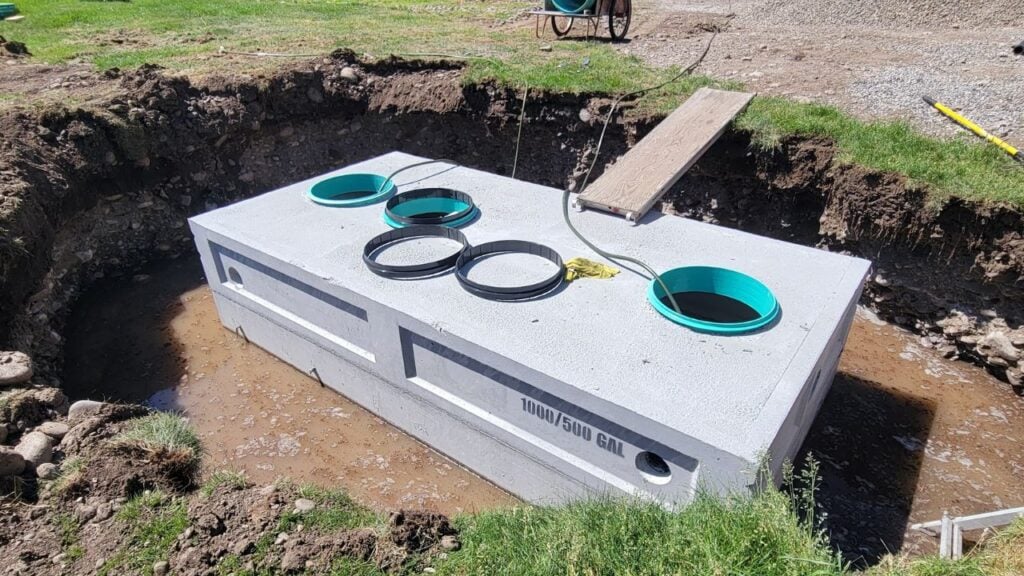
About 2.4 million North Carolinians get their water straight from a private well, and the state requires, at most, one test ever to confirm it’s safe to drink.
That leaves every follow-up test up to the buyer, and many skip it the moment closing is done.
8 Septic and Well Checks North Carolina Homebuyers Skip at Their Own Risk
8 North Carolina Squatter Rules Homeowners Learn the Expensive Way
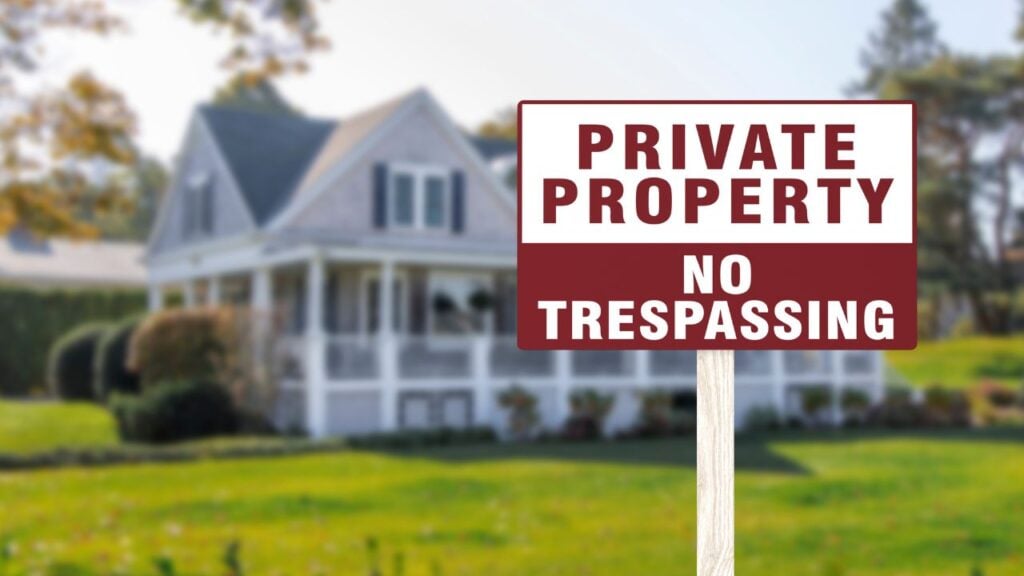
A North Carolina homeowner used to call the police the moment a stranger refused to leave, and for years that call went nowhere.
The state eventually built a faster legal process for exactly that problem, stitched together with a strict clock and a list of conditions a homeowner has to meet first.
8 North Carolina Squatter Rules Homeowners Learn the Expensive Way
