
11 Things Floridians Stay Calm About in Hurricane Season That Terrify Everyone Else

A hurricane in the forecast sends most tourists reaching for a suitcase.
It sends Floridians reaching for a second cup of coffee.
These are the storm-season habits Floridians stay calm about that leave other Americans white-knuckled.
1. Reading the Cone
When a storm forms, the first thing a Floridian pulls up is the cone.
Not to panic, but to plan.
The graphic on the National Hurricane Center map only shows the probable track of the storm’s center, not how far the wind and rain reach.
Tourists see the cone and assume anywhere outside it is safe.
It isn’t.
The flooding, the surge, and the tornadoes routinely reach well past those lines, so a Floridian reads the cone the way you’d read a bus schedule and then checks the spaghetti models for a second opinion.
2. Not Flinching at a Cat 1
A Category 1 warning clears the store shelves in most of the country and barely moves a Floridian.
The Saffir-Simpson scale runs 1 to 5, and a Cat 1 means sustained winds of 74 to 95 mph.
That’s a rough night, not a reason to run.
Veterans know the scale measures wind alone, not the surge and the rain that cause most of the trouble.
So the decision isn’t the number.
It’s the evacuation zone.
Somebody in a Zone A mobile home leaves for a Cat 1, and somebody three miles inland pours a drink and waits it out.
3. Filling the Pool, Not Draining It
The backyard pool is where outsiders get the prep exactly backward.
They assume you drain it.
You don’t.
An empty pool can pop right out of the saturated ground like a boat, so pool crews beg you not to drain it.
The water is the weight that holds it in the ground.
Locals drop the level about a foot for the rain, cut the power to the pump, and leave the rest full to the brim.
And no, the patio chairs don’t go in the pool either, no matter what your neighbor swears you should do.
4. Clearing the Lanai
Floridians strip a screened lanai bare before a storm, and that stops visitors cold.
A patio full of furniture in the morning is an empty concrete slab by afternoon.
Every chair, every potted plant, every wind chime turns into a missile at 90 mph.
So it all comes inside.
The grill, the umbrella, the little table from a flea market in Mount Dora, all of it crammed into the garage or the living room.
Guests find a hibiscus pot parked next to the couch and a folded umbrella in the hallway.
That’s just July.
5. Early Water Run
The run on water and gas starts before hurricane season even does.
June 1 is the official start, and many Floridians stock up in May.
Cases of water, extra propane, a full tank of gas in every car, batteries by the drawerful.
Outsiders picture the panic-buying from the news, shelves stripped the night before landfall.
Veterans skip that circus.
They buy in the calm weeks, and the stragglers who wait for the cone to point their way end up fighting over the last flat of Zephyrhills.
6. Throwing a Hurricane Party
When the storm is finally close, some Floridians throw a party.
To the rest of the country, that sounds unhinged.
It isn’t bravado.
The power’s about to go out for days, and the freezer full of food won’t survive it.
So the neighbors come over, the grill comes out, and everyone works through the shrimp and the steaks before any of it spoils.
Hurricane parties go back generations in Florida, born in the years before most families could evacuate at all.
You ride it out together, or you ride it out alone.
Psst! How much do you know about hurricanes past the Florida coast? Take our quiz and see if you can ace it.
Quiz
Hurricane IQ
Answer these questions on hurricane names, records, and history. We bet you can’t get them all right. Prove us wrong?
Who officially names Atlantic hurricanes?
7. Trusting Waffle House
The Waffle House works as a storm gauge in Florida, and that's not a joke.
Former Florida emergency chief Craig Fugate coined the Waffle House Index after Hurricane Charley tore through Fort Myers in 2004.
The idea is simple.
A full menu with the lights on means the area is fine, a limited menu means the power's shaky, and a locked door means it's bad.
Federal emergency officials still watch it.
So do locals, who trust that yellow sign to reopen faster than the traffic lights come back.
8. Shutters and Generators
Boarding up and running a generator is a weekend chore in Florida, not a crisis.
Out come the aluminum shutters, or the plywood somebody cut to fit each window years ago and labeled in marker.
Somebody drags the generator out, tests it, and fills the tank.
Then comes the part that scares the veterans.
Portable generators are one of the leading causes of carbon monoxide deaths after a storm, so it runs outside, 20 feet from the house.
Never in the garage.
Everyone repeats that rule until it sticks.
9. Watching for Jim Cantore
A sure sign a town is in trouble is a TV meteorologist standing on its beach.
Jim Cantore of The Weather Channel has spent decades broadcasting from the worst spot in the worst storm.
If he shows up in your zip code, you leave.
Floridians say it as a joke.
Then they half-mean it.
When Cantore planted himself in Tallahassee for Helene, then Tampa for Milton, in 2024, locals groaned before they packed.
Seeing him in his rain jacket scares people more than the forecast does.
10. Freezing Every Jug in the House
Every freezer in the house fills with water days before a storm, and it throws newcomers completely.
Milk jugs, water bottles, and zip-top bags, all frozen solid and packed into every gap.
The ice holds the freezer cold for an extra day when the power quits, and it melts into drinking water later.
Then there's the quarter trick.
You freeze a cup of water and rest a quarter on top, and if you come home to find it sunk to the bottom, your food thawed and refroze while you were gone.
People swear by the viral version, and food-safety experts call it handy but far from perfect.
Floridians keep a cup in the freezer anyway.
11. Grilling the Whole Freezer
After the power goes, driveways fill with smoke.
The freezer is thawing, so everything cooks at once.
Steaks, burgers, a bag of shrimp, and the mystery containers from the back all hit the grill or the camp stove.
Nobody wastes a thing.
Neighbors trade plates because nobody finishes a whole chest freezer alone.
The whole block eats better than it has all summer, two nights running, while the air conditioning stays off.
It's the best meal of the worst week.
14 Habits That Give Away a Florida Lifer, for Better or Worse
You can spot a Florida lifer without hearing them say a word.
Four decades of heat, storms, and thumb-sized bugs rewire how a person moves through the day, and it shows in every reflex.
14 Habits That Give Away a Florida Lifer, for Better or Worse
10 Old Florida Traditions Newcomers Have Never, Ever Heard Of
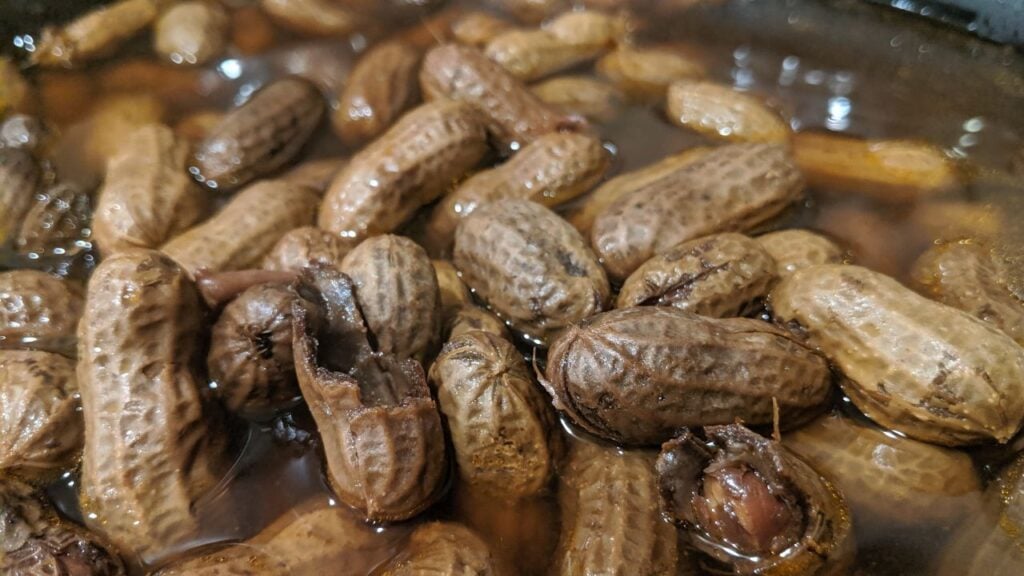
On January 6, a teenage boy waits in a Tarpon Springs bayou for a priest to throw a white cross into the cold water.
When it hits, a dozen boys dive after it, and whoever surfaces with the cross gets a year of good luck.
10 Old Florida Traditions Newcomers Have Never, Ever Heard Of
