
9 Texas Foods Out-of-Staters Refuse to Try

Think you could clean your plate at a Texas table without hesitating once?
Many out-of-staters can’t.
Texans grow up eating whole animals, organ meats, and dishes many other states have never put on a menu.
These are the Texas foods many out-of-staters refuse to try.
1. Menudo
Tripe, the lining of a cow’s stomach, forms the base of a menudo bowl, simmered for hours in red chile broth with hominy, and that fact alone keeps many out-of-state spoons from ever dipping in.
Texans set a pot going many weekends, not just holidays.
The tradition runs deep enough that Texas Monthly’s own advice column dug into whether menudo cures a hangover.
The columnist found no solid science on either side of the claim, only decades of anecdote.
Nobody stops eating it anyway.
A Texan will hand a bowl to a hesitant guest before ever mentioning the stomach lining part out loud.
2. Frito Pie
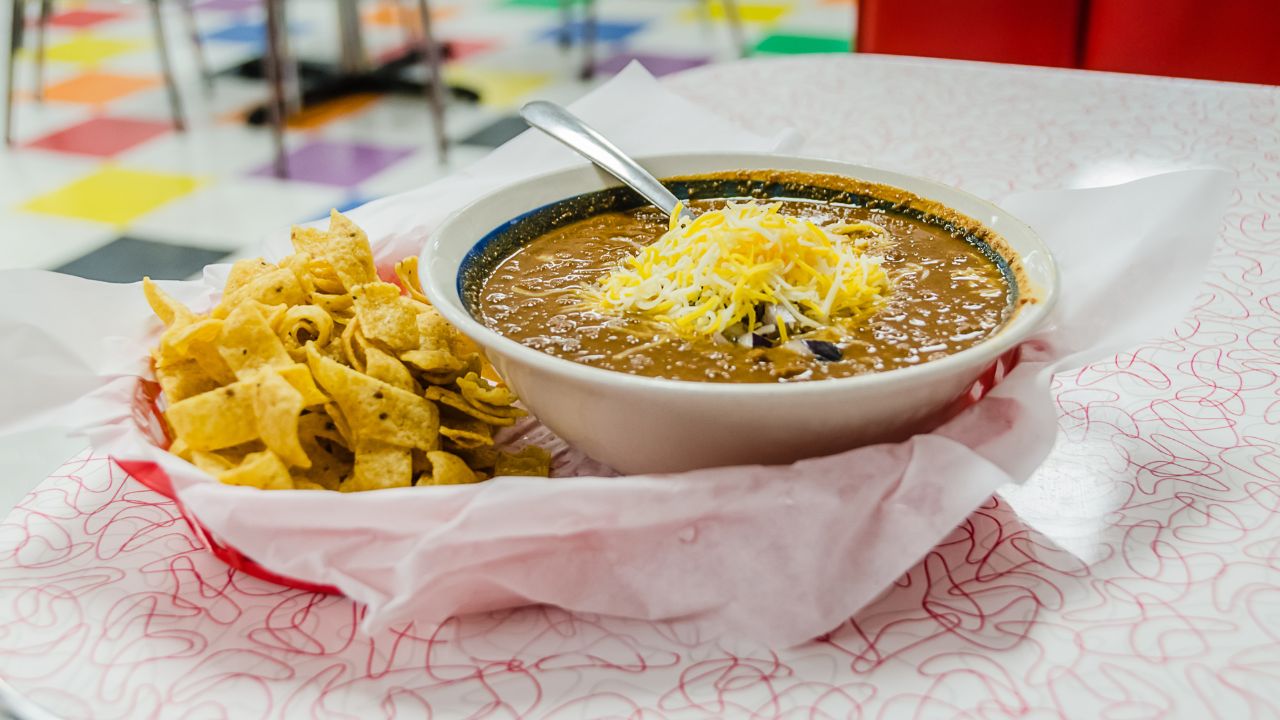
Frito pie puts a diner’s chili and cheese straight into a split-open bag of Fritos, eaten standing up with a plastic fork.
No bowl is involved.
Chef Anthony Bourdain trashed one on his CNN travel show, Parts Unknown, calling it “warm crap in a bag” and “colostomy pie.”
He later admitted he’d gotten the story wrong and that the dish was shockingly tasty.
Frito-Lay’s own test kitchen served the dish to the Dallas Dietetic Association back in 1949, years before San Antonio or Santa Fe could stake a claim to inventing it.
The recipe made it onto millions of Frito bags nationwide by 1962.
The snack-as-dinner format never left Texas.
Visitors expecting a casserole get a chip bag instead.
Some set the fork down before the first bite.
Who Invented Texas’ Frito Pie?
Frito pie’s Texas origin story credits a single inventor, either a Woolworth’s counter worker in Santa Fe or Charles Doolin’s mother in San Antonio.
Neither story holds up.
Company records show Frito-Lay’s own test kitchen built the dish first, years before either legend was born.
The 1962 chip-bag recipe made Frito pie famous nationwide, well after the test kitchen had already invented it.
3. Calf Fries
Calf fries earn their name from what “fries” means on a Texas ranch: Breaded, deep-fried bull testicles, dunked in buttermilk and egg before a cornmeal coating.
Ranch families invented the dish out of necessity during calf branding season, when castrating young bulls left a lot of usable meat behind.
Nothing went to waste.
Throckmorton, a West Texas town of about 800 people, hosts the World Championship Rocky Mountain Oysters festival every May.
The crowd it pulls in dwarfs the town’s own population.
A cowboy calls them calf fries.
Newcomers call them something else once they find out what’s inside.
4. Cabrito
Cabrito arrives at Texas tables as a whole roasted young goat, a meat almost nobody outside South Texas grew up eating.
Even food writers admit the meat has often been dismissed as gamey.
That reputation alone keeps many newcomers from ever ordering it.
Ranching families carried the tradition across the Rio Grande from Monterrey generations ago.
San Antonio cooks still marinate the whole kid in bay leaf, oregano, and garlic for hours before frying it.
The flavor lands somewhere between lamb and pork once someone tries it.
It’s not gamey at all.
Texas Monthly has traced part of the hesitation to a wider American habit of writing off goat as a poor family’s meat, more assumption than fact.
Ask a San Antonio native, and cabrito is just Sunday dinner.
5. Chitterlings
A plate of chitterlings starts as pork intestines, cleaned and simmered for hours until tender.
The dish traces back to slavery, when enslaved cooks turned the parts white slaveholders discarded into something worth eating.
That resourcefulness became the backbone of soul food across East Texas, where Nacogdoches’s Hines Cafe still serves chitterlings every Thursday.
The smell during cooking is strong.
Regulars open a window.
Then they keep cooking anyway.
Skip past the smell.
The payoff is a plate that took generations to perfect.
Psst! How much do you know about Texas food history? Take our quiz and see how many you can get right.
Quiz
Texas Food History IQ
Answer these questions on Texas food firsts and legends. We bet you can’t get them all right. Prove us wrong?
A Texas governor asked for two trees instead of a headstone at his grave, and lawmakers later honored his wish statewide. What did he request?
6. Boudin
Boudin lists chicken liver on its ingredient card, right next to the rice and pork.
That single word is enough to make some newcomers pass.
Cajun families carried the recipe into Texas starting in the 1840s, when the Hebert family settled Taylor Bayou in Jefferson County.
By 1850, the census counted 600 Franco-Louisianans in the region.
That community grew into the Golden Triangle's Cajun culture around Beaumont, Port Arthur, and Orange.
One Galveston County writer, a transplant from up north, admitted she was hesitant the first time her husband told her what was inside.
She came around eventually.
Many newcomers never get past the ingredient list.
7. Whole Boiled Crawfish
Whole boiled crawfish come to the table by the pound, shells on and eyes on, dumped straight across a table covered in newspaper.
Golden Triangle families treat that pile as the centerpiece, not a garnish.
No plates are required.
Getting to the meat means twisting off the tail, peeling the shell, and sucking the head if the seasoning pooled inside is worth chasing.
Food writers call sucking the head the most intimidating part of a first boil.
Many newcomers never make it past picking one up.
8. Rattlesnake Meat
The animal alone ends the conversation about rattlesnake meat for many visitors before they ask how it's cooked.
Sweetwater's Jaycees have run the World's Largest Rattlesnake Roundup since 1958, when the event started as a way to control the West Texas rattlesnake population.
The roundup has drawn crowds estimated at 30,000 in past years.
Cooks fry the meat in strips, breaded and seasoned like anything else out of the fryer.
It tastes fine.
That's beside the point for a visitor who watched the snake before it hit the pan.
9. Fried Butter
A frozen ball of butter, dipped in batter and dropped straight into hot oil, is fried butter's entire pitch.
Many out-of-staters refuse it on principle before they taste it.
Abel Gonzales Jr. invented it at the State Fair of Texas in 2009.
It won the Big Tex Choice Award that same year.
Cut into it.
The melted butter runs across the plate before the fork does anything else.
That's the whole point.
Oprah Winfrey tried a bite on television and gave it a hesitant thumbs up.
Fairgoers still line up every October for a food that sounds like a dare and eats like a warm roll with butter pouring straight from the middle.
9 Little-Known Texas History Stories Even Longtime Texans Haven't Heard About
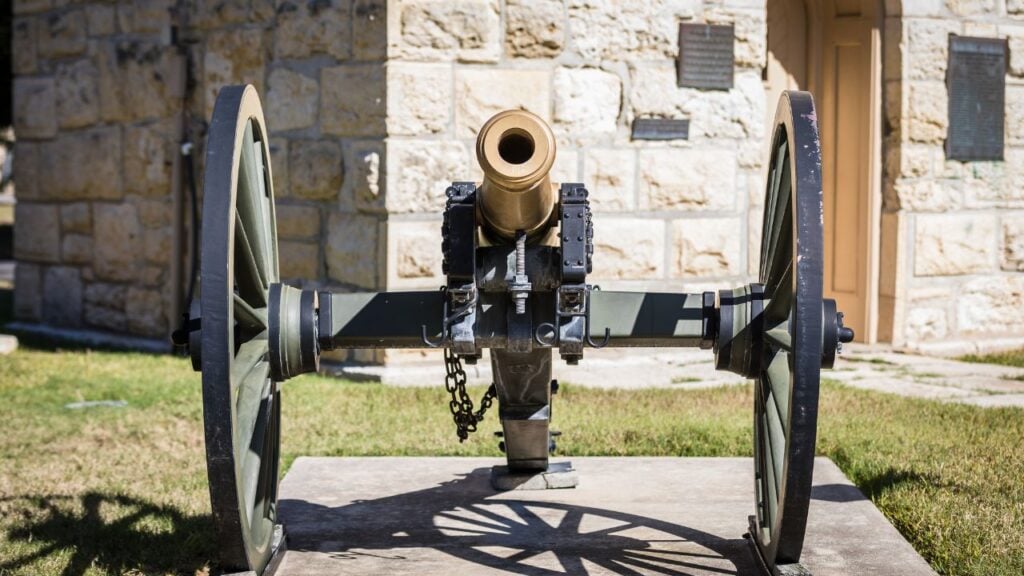
Many lifelong Texans can name two battles fought on their own soil, the Alamo and San Jacinto.
There were dozens more, plus a ranch that once covered ten counties and an Army program that swapped horses for camels.
9 Little-Known Texas History Stories Even Longtime Texans Haven't Heard About
10 Texas Summer Rules Locals Follow That Newcomers Learn the Hard Way
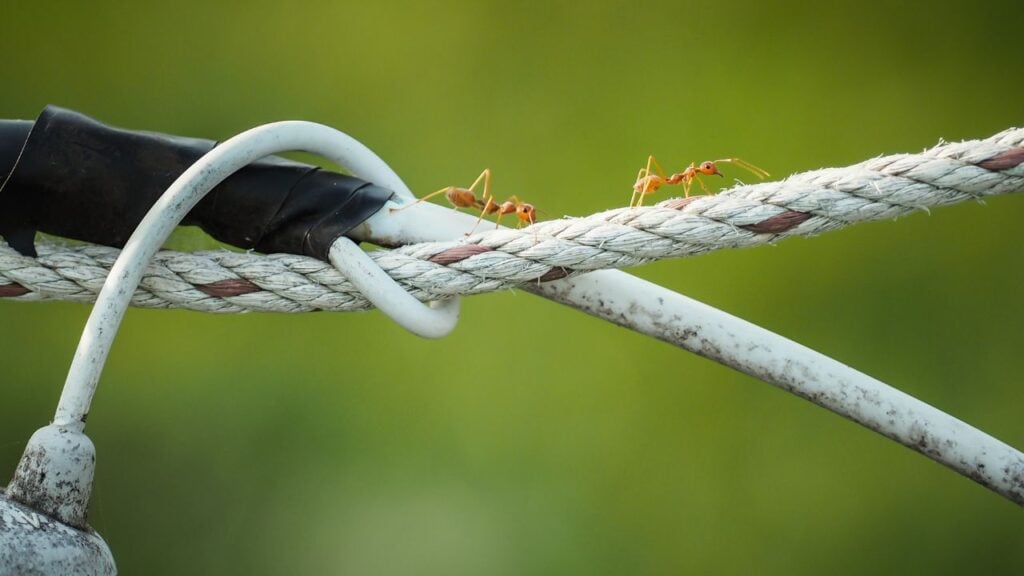
A newcomer can end up paying for more than a high electric bill once a Texas summer sets in.
Ask anyone who's landed in an emergency room after reaching into a woodpile without checking it first.
10 Texas Summer Rules Locals Follow That Newcomers Learn the Hard Way
